


Managing lateral hip pain in endurance athletes, particularly during long-duration training or racing in challenging conditions, requires a nuanced approach. It’s more than simply recommending rest or a general exercise program; it’s about understanding the interconnected nature of load management, performance, and recovery. Athletes often arrive at a point where pain feels out of control, potentially exacerbated by factors such as improper load tolerance, disruptive sleep patterns, and emotional frustration. Recognizing these elements is crucial for navigating recovery effectively while maintaining performance.
When dealing with hip-related discomfort, the first priority is to reduce irritability. This involves a clear understanding of the anatomical structures present. In many cases, the gluteal tendons are the primary culprits, often aggravated by specific movements or positions, such as lying on the affected side during sleep or crossing legs while seated. The crucial point is to minimize exposure to these aggravating factors, which can facilitate a significant reduction in pain levels, allowing athletes to continue engaging in their training regimens more comfortably.
Interestingly, many athletes may mistakenly believe that stretching is universally beneficial. However, in cases of gluteal tendinopathy, certain stretches can inadvertently compress tendons, worsening symptoms rather than alleviating them. Identifying which movements can exacerbate the hip condition is essential to designing a more effective training and recovery plan. It’s vital for athletes to maintain clarity around which activities should be prioritized or avoided during rehab to avoid setbacks.
Education plays a significant role in the management of lateral hip pain. Athletes must understand that flare-ups are not indicative of severe damage or injury; rather, they are manageable occurrences that can be adjusted for within their training. Providing athletes with guidelines about acceptable pain levels during exertion can empower them to self-manage effectively. For instance, understanding a rating system for pain concerning various activities can be extraordinarily beneficial. If an athlete knows that a particular intensity level correlates with discomfort, they can modify their activities rather than retreat entirely from them. This understanding helps cultivate a sense of control, contributing positively to psychological resilience, which is crucial in endurance sports.
As athletes progress through their rehabilitation journey, it’s essential for them to grasp that experiencing an increase in discomfort after a new exercise or load adjustment is often a regular part of the process. Instead of perceiving it as a setback, they can learn to interpret such occurrences as opportunities for minor modifications rather than a full recalibration of their training plans. Open dialogue about these experiences between athletes and their coaches enhances engagement and commitment to the overall rehabilitation process.
In today’s competitive environment, effective training for endurance events doesn’t necessitate an array of complex or overly complicated exercises. Instead, focusing on a limited number of targeted yet progressive exercises can streamline the recovery journey. Engaging in well-structured progressions fosters clarity during training, making it easier for athletes to monitor their adaptations without becoming overwhelmed by an excessive variety of workouts. Specifically, initiating loading protocols that might initially appear stressful is vital for helping athletes return to full performance levels without exacerbating their conditions.
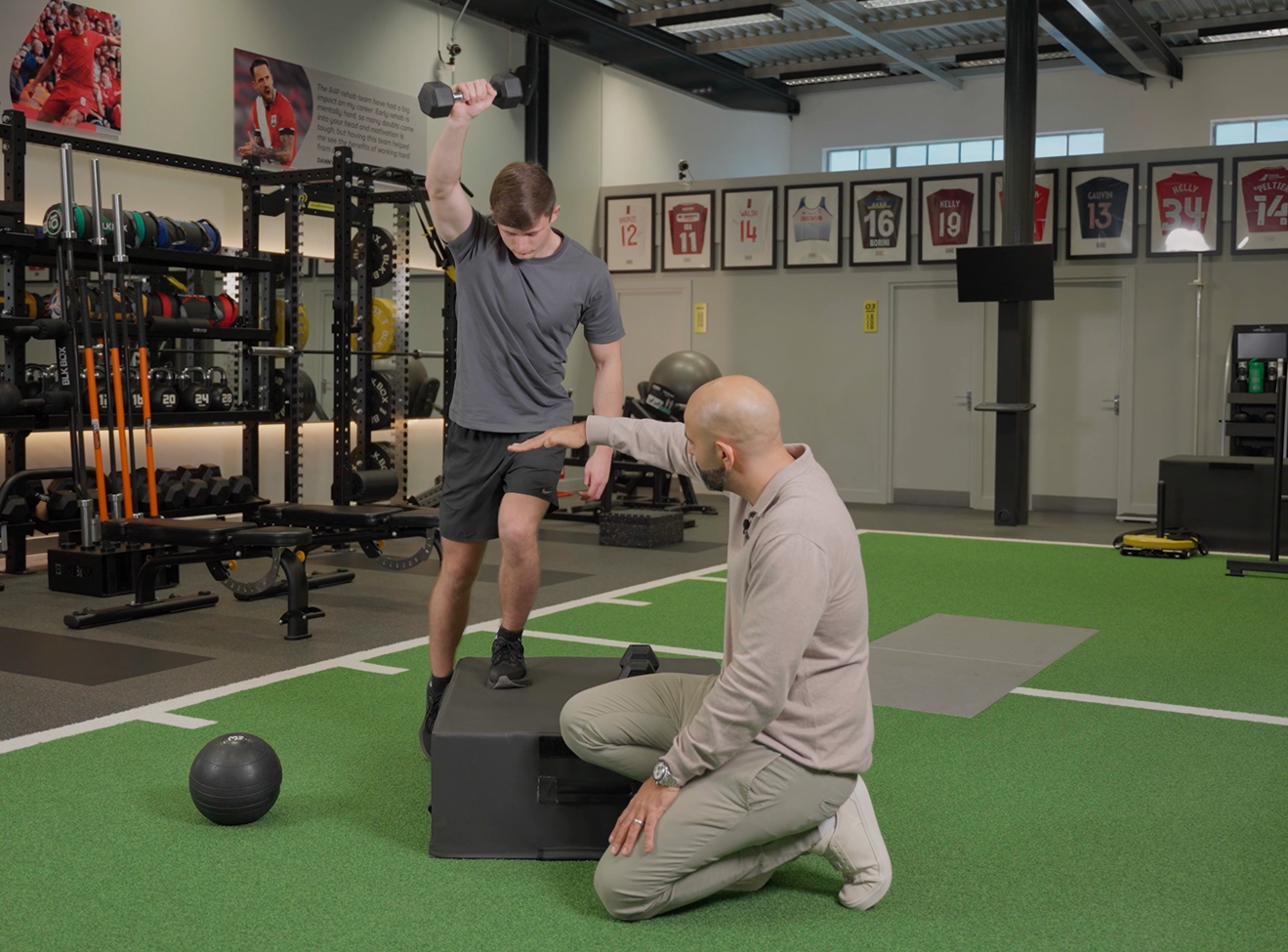
This process requires careful management, especially in loading the hip in potentially aggravating positions. Coaches and clinicians must work collaboratively to ensure the chosen progressions are suitable for individual athletes while taking into account their specific conditions and the demands of their training or racing schedule. This individualized focus is especially pertinent when planning nutrition and hydration strategies, as athletes will need to fuel their bodies adequately while managing discomfort.
Athletes also need to consider their nutritional intake as it lends greatly to recovery and performance optimization. Proper carbohydrate timing can affect endurance and overall performance, especially in back-to-back training sessions. Utilizing a carbohydrate-rich recovery window within two hours post-exercise can replenish glycogen stores critical for subsequent training. Beyond carbohydrates, understanding gut tolerance is paramount, as gastrointestinal discomfort can derail plans during both training and racing. Tailoring liquid and solid nutrition options to the athlete’s tolerances and preferences is essential, enabling a successful competitive environment that minimizes further irritability in the hip area.
Supplementation strategies can be influential, too, particularly in managing inflammation and promoting joint health. Utilizing omega-3 fatty acids and other anti-inflammatory supplements may aid recovery for athletes enduring the wear and tear of long-distance training and racing. Hydration strategies that prioritize electrolyte balance help regulate performance and recovery by supporting metabolic efficiency, further alleviating stress on the muscular system.
The process of recovery itself can be augmented through various methods, ranging from active recovery sessions to specific recovery techniques like foam rolling or targeted stretching—again, always bearing in mind to avoid movements that may trigger pain. Integrating adequate recovery practices into training schedules can also contribute to improved performance, ensuring that athletes remain ready for the demands of intense training.
Ultimately, the key takeaway for endurance athletes managing lateral hip pain is to adopt a well-rounded approach that emphasizes education, a thoughtful understanding of load management, and the importance of structured progressions in their training. By focusing on refining their rehabilitation protocols and enhancing self-efficacy, athletes can navigate their recovery effectively while continuing to optimize their performance in challenging conditions.
