Close Menu
All About Ultras
  • News
  • Races
  • Nutrition
  • Culture
  • Tools
    • UTMB Ballot Calculator

Subscribe to Updates

Subscribe to our newsletter and stay updated with the latest news and exclusive offers.

What's Hot

Trail Running Breakthroughs: New Gear Elevates 100K and 100-Mile Races

January 31, 2026

The Fine Line Between Strava Rivalry and Harassment: A Runner’s Obsession to Erase a Competitor

January 31, 2026

Thousands Join 2026 Colchester Half Marathon to Support Local Cancer Fighters

January 31, 2026
Facebook X (Twitter) Instagram
All About Ultras
Login
  • News

    Trail Running Breakthroughs: New Gear Elevates 100K and 100-Mile Races

    January 31, 2026

    Trail Running Revolution: New Gear Innovations Boost 100-Mile Race Performance

    January 30, 2026

    Trail Running Takes Center Stage: New Gear and UTMB Qualifiers Announced!

    January 29, 2026

    Trail Running Thrills: New Gear Boosts Performance at UTMB Qualifiers

    January 28, 2026

    Trail Running Revolution: New Gear Boosts Performance in UTMB Qualifiers!

    January 27, 2026
  • Races

    The Fine Line Between Strava Rivalry and Harassment: A Runner’s Obsession to Erase a Competitor

    January 31, 2026

    Snowdrop 55 Hour Ultra Race: Honoring Chelsey Campbell’s Legacy and Supporting Pediatric Cancer Survivors

    January 30, 2026

    Comprehensive Review of the Kiprun 10L Running Vest: Versatile and Efficient for Trail Adventures

    January 29, 2026

    Register Now for the Griffith Park Run Half Marathon and 5K on February 1st to Support Los Angeles Parks

    January 28, 2026

    Ironman Increases Draft Zone for Pro Athletes from 12 to 20 Meters, Enhancing Race Dynamics with RaceRanger Technology

    January 27, 2026
  • Nutrition

    Endurance Athlete’s Journey: Resilience Through Ulnar Collateral Ligament Recovery

    January 29, 2026

    Endurance and Resilience: How Vitamin D Fuels Ultramarathon Success

    January 27, 2026

    Resilient Recovery: 4 Endurance Strategies for Overcoming Patellofemoral Pain

    January 23, 2026

    Beyond Prostatectomy: Endurance Athletes’ Journey to Recovery and Performance

    January 16, 2026

    Endurance Athlete’s Resilience: Overcoming Hamstring T-Junction Injuries in Ultramarathon Training

    January 8, 2026
  • Culture

    Thousands Join 2026 Colchester Half Marathon to Support Local Cancer Fighters

    January 31, 2026

    Paralyzed Runner Tackles 50-Mile Race in Stunning Mountain Journey for Hope

    January 29, 2026

    From Captivity to Champion: Survivor Shatters Ultramarathon Record in Endurance Race

    January 27, 2026

    Canadian ultrarunner breastfeeds baby en route to 100-km victory in stunning race

    January 25, 2026

    Daughter of Gosport Dad Lost to Brain Cancer Runs London Marathon Challenge

    January 23, 2026
  • Tools
    • UTMB Ballot Calculator
All About Ultras
Home»Nutrition»Overcoming Adversity: Protein’s Role in Ultramarathon Recovery and Endurance Performance
Nutrition

Overcoming Adversity: Protein’s Role in Ultramarathon Recovery and Endurance Performance

Staff WriterBy Staff WriterMay 24, 2025No Comments4 Mins Read
Overcoming Adversity: Protein's Role In Ultramarathon Recovery And Endurance Performance
Share
Facebook Twitter Reddit Telegram Pinterest Email

Current insights into sports nutrition emphasize the importance of not just total protein intake but also the timing and distribution of protein throughout the day, particularly for endurance athletes who challenge their bodies with long-duration training sessions and races. Traditional guidelines suggested that dividing protein into smaller, evenly distributed meals enhances muscle protein synthesis, a process critical for recovery and adaptation following endurance efforts. Emerging studies indicate that this notion may be overly simplistic and that the actual impact of protein distribution on performance may be less pronounced than previously thought.

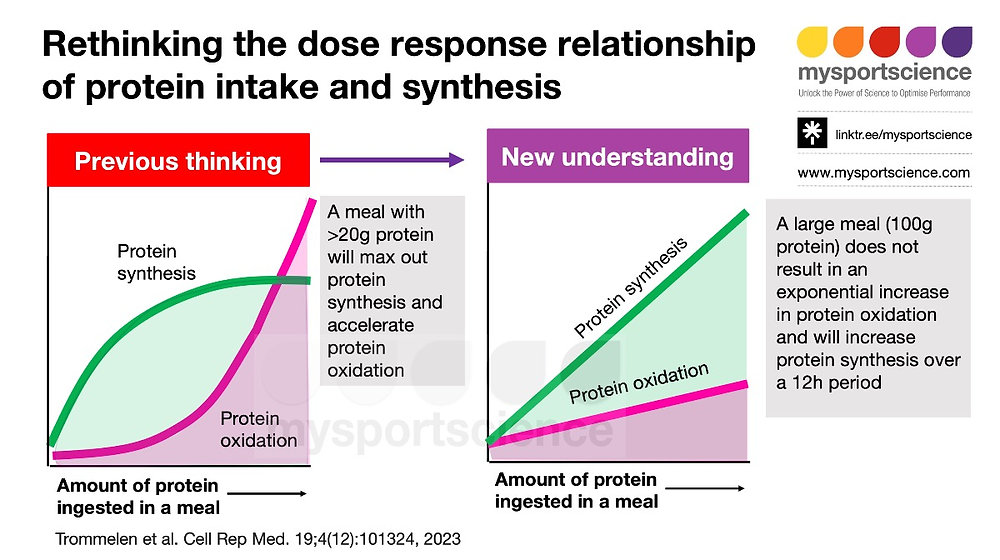
The foundation of older protein distribution guidelines was predicated on studies suggesting a linear relationship between protein dosage and muscle protein synthesis, often advocating for increments of about 20 grams per meal. However, recent findings challenge this paradigm, especially as they pertain to endurance athletes. Long-term studies, including those involving intermittent fasting, have shown that consuming larger amounts of protein in fewer meals can still effectively support muscle maintenance and growth. It appears that muscle protein synthesis may not plateau as rapidly as once believed, suggesting that the time frame for assessing protein utilization should be expanded beyond the previously standard 4-6 hour window post-meal.

In a pivotal study dubbed the “BBQ study,” researchers explored protein doses of 0, 25, and 100 grams following resistance exercise in healthy young adults monitored over a 12-hour period. This investigation revealed significant insights into the digestion and absorption processes associated with different protein doses. The results demonstrated that while the 25-gram dose was nearly entirely digested and absorbed within six hours, the 100-gram dose continued to be processed well beyond this period. More notably for endurance athletes, the 100-gram intake resulted in a 30% higher muscle protein synthesis rate throughout the entire measurement period compared to the 25-gram dose. Such findings reinforcement the idea that, for athletes training under significant metabolic stress, greater protein amounts consumed in a single session can yield more prolonged benefits for muscle synthesis and recovery.

Athletes engaged in prolonged training and racing face unique challenges. The context of gut tolerance becomes paramount, particularly during races when the digestive system may become impaired due to physical exertion. Understanding how different protein sources and amounts are tolerated is crucial. Higher doses like those seen in the BBQ study might not sit well on the stomach during intense efforts. Consequently, a more potent strategy for endurance athletes may involve experimenting with protein sources that allow for greater absorption without gastrointestinal distress. Protein sources that digest more easily — such as whey or hydrolyzed proteins — can provide the necessary building blocks while minimizing gut discomfort during prolonged efforts.

Fueling strategies likewise play an integral role in an athlete’s overall performance and recovery. While daily protein intake remains important, athletes should center their focus on total daily protein requirements. This is particularly relevant in endurance disciplines where carbohydrate intake during longer training sessions and races frequently takes precedence. Strategic carb intake is crucial for maintaining energy levels and delaying fatigue. However, the role of protein cannot be underestimated, especially for recovery, where the addition of protein after endurance training supports muscle repair and synthesis.

Hydration strategies must also be aligned with nutritional strategies. Hydration influences digestion and nutrient absorption, including protein. Dehydration can disrupt metabolic efficiency and recovery, so athletes should prioritize maintaining fluid balance throughout their training and races. Consideration should also be given to the timing of hydration relative to protein intake to optimize absorption and utilization.

Supplementation can further enhance performance for endurance athletes. While the primary focus should be on whole foods, certain supplements may provide added benefits, particularly during periods of high training loads. Creatine, for instance, can aid in enhancing muscle recovery and producing energy needed during high-intensity efforts, which might be more prevalent in interval training within endurance training blocks. Similarly, branched-chain amino acids (BCAAs) may help with muscle recovery when taken strategically around training sessions.

Finding a balance between all these factors creates an individualized approach tailored to the athlete’s training demands and personal responses. It’s also important to recognize that while protein feeding strategies are significant, they should not overshadow other crucial aspects of endurance training, such as proper fueling, hydration, and recovery modalities.

As you refine your training and nutrition protocols, it’s essential to keep in mind one actionable takeaway. Ensure that if your next meal comes more than five hours away, aim to consume at least 40 grams of protein in your current meal. By doing so, you are providing your body with the necessary tools it needs to recover effectively from demanding endurance efforts, allowing for better adaptation and performance over time. This approach can streamline your recovery strategy without overcomplicating your nutritional intake plan, thus positioning you to perform at your best in training and competition contexts.

Adversity Endurance Overcoming Performance Proteins recovery role Ultramarathon
Share. Facebook Twitter Pinterest LinkedIn Telegram Reddit Email
Previous ArticleEnduring Pain: Damian Lillard’s Achilles Tear Shakes NBA Aspirations
Next Article

Zurich Rock ‘n’ Roll Running Series Madrid: A Gold-Label Marathon with Live Music and Scenic Routes

karan.kanishk
Staff Writer
  • Website

Related Posts

Trail Running Revolution: New Gear Innovations Boost 100-Mile Race Performance

January 30, 2026

Endurance Athlete’s Journey: Resilience Through Ulnar Collateral Ligament Recovery

January 29, 2026

Trail Running Thrills: New Gear Boosts Performance at UTMB Qualifiers

January 28, 2026

Trail Running Revolution: New Gear Boosts Performance in UTMB Qualifiers!

January 27, 2026

From Captivity to Champion: Survivor Shatters Ultramarathon Record in Endurance Race

January 27, 2026

Endurance and Resilience: How Vitamin D Fuels Ultramarathon Success

January 27, 2026
Add A Comment
Leave A Reply Cancel Reply

Stay In Touch
Don't Miss

Trail Running Breakthroughs: New Gear Elevates 100K and 100-Mile Races

By Staff WriterJanuary 31, 2026

As February kicks off, the North American ultramarathon calendar sees a notable density of events,…

The Fine Line Between Strava Rivalry and Harassment: A Runner’s Obsession to Erase a Competitor

January 31, 2026

Thousands Join 2026 Colchester Half Marathon to Support Local Cancer Fighters

January 31, 2026

Trail Running Revolution: New Gear Innovations Boost 100-Mile Race Performance

January 30, 2026

Subscribe to Updates

Subscribe to our newsletter and stay updated with the latest news and exclusive offers.

About Us
About Us

Welcome to All About Ultras, your ultimate destination for everything related to endurance sports, with a special focus on running. Whether you're a seasoned ultra marathoner, a weekend warrior, or just starting your journey into long-distance running, we are here to inspire, inform, and support you.

Our Picks

Trail Running Revolution: New Gear Innovations Boost 100-Mile Race Performance

January 30, 2026

Snowdrop 55 Hour Ultra Race: Honoring Chelsey Campbell’s Legacy and Supporting Pediatric Cancer Survivors

January 30, 2026

Trail Running Takes Center Stage: New Gear and UTMB Qualifiers Announced!

January 29, 2026
New Comments
    • About Us
    • Contact Us
    • Privacy Policy
    • Terms and Conditions
    • Disclaimer
    © 2026 All About Ultras. All Rights Reserved.

    Type above and press Enter to search. Press Esc to cancel.

    Sign In or Register

    Welcome Back!

    Login to your account below.

    Lost password?