


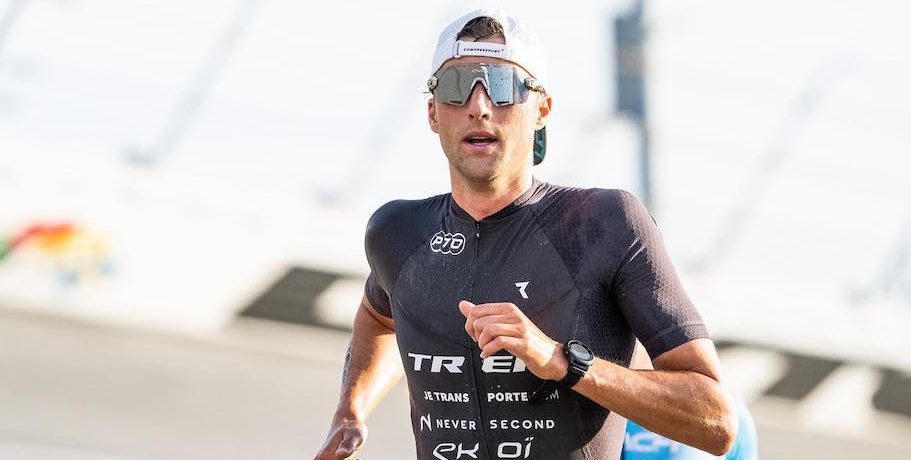
Rudy Von Berg, an elite Ironman triathlete, recently shared insights on his experiences and training strategies during a podcast episode that will resonate with seasoned endurance athletes. Following a commendable 4th place finish at last year’s Ironman World Championships in Nice, he has faced a few challenges in recent races, notably at the T100 events in Miami and Singapore. Despite these setbacks, his reflections provide key takeaways relevant to those training or racing in demanding conditions.
Rudy’s performance at the PTO Singapore event highlights the often-overlooked impact of environmental factors on athletic output. Endurance athletes competing in hot, humid conditions can experience significant physiological stress that alters metabolic efficiency. Rudy articulates how the extreme heat and humidity influenced his performance, necessitating adjustments in his race strategy. Athletes must recognize the importance of acclimatization and practice fueling strategies that consider heat, which includes pre-race hydration optimization and adopting a fueling regimen adaptable to temperature fluctuations. Understanding how gut tolerance is affected by travel and different environmental stimuli can enhance performance and avoid gastrointestinal distress during competition.
During his podcast, Rudy underscores the critical role of nutrition in his training regimen and race day performance. He emphasizes consuming the right balance of carbohydrates and proteins tailored to the demands of long-duration training sessions or competitions. While the general consensus supports carbohydrate intake for sustained energy, achieving optimal gut tolerance to a variety of fuel sources can dramatically impact performance. Rudy’s use of specific nutritional products during workouts to maintain energy levels and facilitate quick recovery exemplifies an approach seasoned athletes should consider. For instance, fine-tuning carbohydrate types—whether in solid, gel, or drinkable forms—can optimize their absorption rates, particularly during extended events.
Moreover, Rudy discusses periodization in his training, advocating for a strategic focus on varying intensity and volume throughout the year. This complexity in training fosters metabolic adaptation, allowing the body to utilize fat more efficiently as a fuel source over prolonged periods. Training that encompasses a mix of low-intensity workouts and high-intensity interval sessions not only builds endurance but also improves the body’s ability to sustain performance in competitive environments. Specific workouts, like the 8 x 2K intervals he mentions, serve to condition the body for sustained exertion while enhancing cardiocascular and muscular efficiency.
Hydration strategies crucially factor into Rudy’s approach, particularly when faced with the grueling demands of hot races. The importance of a pre-race hydration strategy cannot be understated. Adequate hydration before competition enhances cardiovascular performance and helps regulate body temperature, thus facilitating better metabolic function during the event. Once in the race, maintaining hydration while avoiding hyponatremia through careful balancing of electrolytes ensures operational efficiency, particularly when competition conditions stress the body’s thermoregulation capabilities.
Rudy incorporates technology into his training, using his Garmin 955 watch to monitor vital metrics like heart rate variability (HRV) and sleep quality—both integral to understanding recovery status. For seasoned endurance athletes, tracking HRV can provide insights that influence training intensity and recovery periods. Adjusting workouts based on HRV metrics may help athletes find the balance between pushing their limits and allowing optimal recovery to enhance longer-term performance.
As he prepares for upcoming challenges such as the Ironman 70.3 in San Francisco and the highly competitive Challenge Roth, Rudy expresses a clear focus on refining his racing and recovery strategies. His diet, with a focus on nutrient timing, plays a crucial role in this. Consuming nutrient-dense foods and strategically timed energy sources during intense training periods facilitates recovery and replenishes glycogen stores. Understanding the role of these dietary choices in reducing recovery time and enhancing performance allows athletes to maximize their training dividends over extended periods.
The discussion reflects Rudy’s cognizance of the demands placed on elite athletes, particularly during competitions characterized by challenging environmental conditions. It is imperative for athletes at any level to integrate these high-performance strategies into their training. Fine-tuning nutritional timing, recognizing the impacts of varying conditions on fueling strategies, and prioritizing recovery, particularly when traveling or racing in extreme environments, can substantially influence an athlete’s success.
One realistic takeaway from Rudy’s insights is the importance of tailoring nutrition and hydration strategies to accommodate both environmental conditions and individual physical responses. Athletes should work diligently to refine their fueling regimens based on specific competition demands and personal gut tolerance, optimizing their approach to improve performance across diverse racing scenarios. Engaging in deliberate practices in nutrition, supplemented by technology and responsive training adjustments, can lead to enhanced performance outcomes during critical endurance events.
