


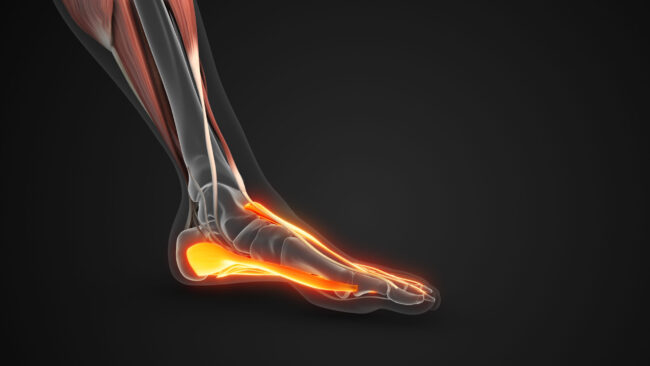
Plantar heel pain, commonly referred to as plantar fasciopathy, is an injury that has implications beyond simple discomfort; for endurance athletes engaging in prolonged training or racing, managing this condition effectively can be pivotal in maintaining optimal performance. Athletes often find themselves in challenging conditions where the combination of fatigue, environmental stressors, and repetitive impact can exacerbate underlying foot issues. Understanding the nuances of such injuries—and the strategies to mitigate them—can empower athletes to sustain their training regimens and improve their racing outcomes.
The correct diagnosis of plantar heel pain is the linchpin to effective management and recovery. While it’s common to jump to conclusions about the nature of heel pain, athletes should be aware that various conditions can contribute to discomfort in the heel area. Misdiagnosing these injuries can delay recovery and lead to suboptimal performance. For example, heel spurs may often be cited as a primary culprit; however, imaging studies reveal that many individuals with spurs do not experience pain. Thus, relying solely on X-ray findings can misdirect treatment and management strategies.
Among the differential diagnoses to consider, fat pad atrophy can affect heel cushioning, especially in older athletes or those engaging in extensive mileage. This condition may worsen discomfort with extended walking or standing, and revising training regimens to account for such changes in heel structure can be beneficial. Conversely, a fat pad contusion often presents acutely after trauma, necessitating an immediate reassessment of training loads and potential recovery strategies.
Inflammatory conditions, such as spondyloarthritis, can also manifest as heel pain in endurance athletes—characterized by bilateral pain often accompanied by other joint symptoms. Awareness of systemic conditions is crucial, as they may necessitate a broader approach to recovery and training. Similarly, tarsal tunnel syndrome can affect an athlete’s overall lower limb function. This nerve entrapment can produce sensations like tingling and burning, which may hinder training performance. Recognizing these signs early allows athletes to adapt their training programs and seek the relevant interventions.
A common source of heel pain, Baxter’s neuropathy, highlights the need for careful monitoring of medial heel discomfort. A trained physiotherapist’s palpation may reproduce symptoms and provide clarity on whether the underlying issue is a nerve entrapment or another orthotic concern. Identifying and addressing these conditions early can prevent the cycle of compensatory injuries, which often plague endurance athletes.
For athletes, initial treatment strategies are just as critical as accurate diagnosis. Given the multifaceted nature of plantar heel pain, education becomes vital. Understanding the prognosis of their condition allows athletes to set realistic expectations, significantly improving adherence to treatment plans. Effective communication regarding load management and pain modulation is crucial During training, it is important for athletes to balance the intensity of their sessions while allowing for effective recovery and regeneration.
Implementing a nuanced approach to pain management strategies can enhance resilience and adaptability during training. This might involve exploring alternative loading strategies, adjusting footwear for better support, or incorporating specific exercises that target strength and range of motion in the foot and ankle. Understanding that managing heel pain does not merely focus on symptomatic relief but rather encompasses a holistic view of biomechanics and training practices can set an athlete up for success.
Fueling strategies can also indirectly influence recovery and overall performance. Proper nutrition strategies, in conjunction with hydration management, create the foundation for recovery that can help mitigate the effects of fatigue and muscle soreness prevalent after long-duration events. For endurance athletes, nutrition timing becomes especially pertinent both during and after training sessions. Consuming high-quality, easily digestible carbohydrates, proteins, and hydration aids can accelerate the repair of stressed tissues and allow for more effective recovery.
Moreover, examining the gut tolerance of various fueling options is paramount. Athletes should be prepared to test different gels, chews, or supplements during training to determine what works best for their individual physiology. Frequent assimilators of gut-friendly fuel sources might find enhanced metabolism through effectively timed nutrient intake during races, thus supporting performance and managing any discomfort caused by their underlying conditions.
A key takeaway here is the importance of personalized recovery strategies tailored to the unique demands of endurance training and performance contexts. Effective management of plantar fasciopathy—or any sports injury—requires a synergy between careful diagnosis, load management, and nutritional support. Fostering a proactive approach will not only allow athletes to train effectively but will also enhance performance during competition, ensuring they are prepared to face the challenges of their sports with confidence and resilience.
