


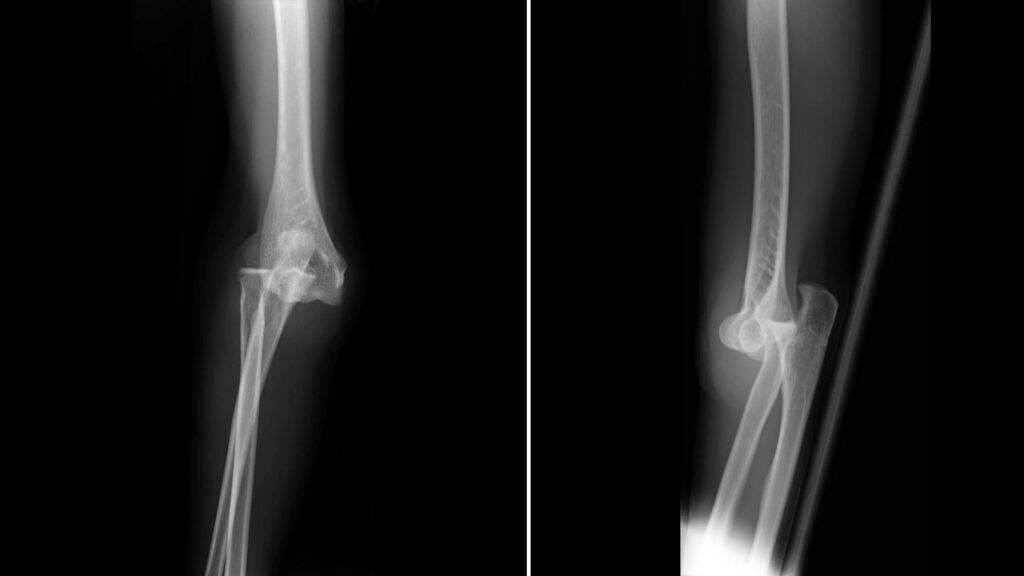
In the pursuit of high-performance endurance sports, athletes often concentrate on training protocols, pacing strategies, and performance metrics, neglecting to appreciate the psychological and physiological nuances that can heavily influence outcomes. Consider the example of Tara, a once-a-week bouldering enthusiast and a dedicated graphic designer. Her journey through a significant elbow dislocation and recovery process sheds light on critical aspects that can resonate with endurance athletes, especially those who frequently train under stressful conditions.
When athletes experience injuries, the physical repercussions are often accompanied by psychological impacts that can be detrimental to recovery and performance. The case of Tara illustrates how assessments often go beyond physical limitations such as range of motion or muscular strength. Upon recovering from her injury, Tara expressed concerns not only about her elbow’s physical capabilities but also about her feelings of vulnerability and the fear of reinjury. For endurance athletes, especially those who constantly train in challenging environments, psychological barriers stemming from past injuries can manifest in an inability to execute performance goals efficiently, ultimately affecting race-day outcomes.
Understanding the condition of one’s body does not solely rest on physical assessments like muscle tightness or joint mobility; it extends into recognizing the mental hurdles that can inhibit performance. For athletes, having the physical ability to perform a task does not always translate to a mental readiness to undertake it. This area remains under-discussed but equally important, particularly when strategies for fueling during long durations of exercise can amplify or diminish an athlete’s performance. Tara’s narrative shows us that recovery should also prioritize rebuilding the trust an athlete has in their body. Just as it takes time to restore physical function, it’s essential for athletes to engage in methods that promote reacquisition of mental confidence.
During long training sessions or races, the body’s nutritional requirements evolve dynamically. Timing of nutrition becomes pivotal; the immediate post-exercise window is a critical period to replenish glycogen stores, yet it is also essential to heed the signals of gut tolerance during prolonged exertion. Many endurance athletes have experienced gastrointestinal distress due to increased activity levels and can benefit from a tailored approach for nutritional intake that considers both the need for energy and the body’s digestive constraints. Therefore, implementing strategies that optimize gut tolerance, such as consuming low-fiber and easily digestible carbohydrates during races, can ensure that energy availability is consistent without compromising digestive comfort.
Turning to fueling strategies, endurance athletes should be keen on individualized carbohydrate intake tailored to their metabolic rates and personal tolerance levels. Specialized listening to the body’s needs during long races—perhaps in the form of easily digestible gels or drinks, paced out at intervals—can prevent the depletion of energy reserves while simultaneously avoiding gut issues. Here, too, Tara’s recovery can serve as a reminder: gradual exposure to higher intensities during workouts parallels the importance of slowly reintroducing necessary fuel in an athlete’s regimen. Sticking with familiar, tested fuel sources can mitigate risks on race day, similar to Tara’s rehearsals around her climbing techniques.
Hydration strategies are equally critical and should be personalized to suit different environmental conditions. Prolonged exertion in high heat or humidity demands more than just adequate water intake; electrolyte balance plays a prominent role in performance sustainability. Advanced endurance athletes often benefit from hydration plans that incorporate not just water, but well-balanced electrolyte solutions during training. Balancing sodium, potassium, and magnesium can help maintain optimal fluid balance and reduce the risk of cramping and fatigue.
Metabolic efficiency is another important consideration. Endurance athletes can access their preferred energy stores efficiently through training adaptations, but nutrition plays a crucial role. The fueling regimen should foster an athlete’s ability to tap into fat stores rather than relying solely on glycogen reserves, especially in races lasting several hours. This goal requires systematic training in various metabolic zones along with a strategic approach to tailored carbohydrate loading before longer efforts.
Furthermore, recovery optimization should be approached holistically. A focus on nutrition timing post-exercise, such as consuming protein alongside carbohydrates within a specific window, aids in muscle recovery and glycogen replenishment. Equally, incorporating a psychological component—similar to Tara’s experience—can be beneficial. Athletes should reflect on their recovery practices, both physically and mentally, with an understanding of how stress or anxiety can affect their readiness for subsequent training sessions.
For endurance athletes endeavoring through long durations of training or racing, understanding that recovery and performance enhancement extend beyond mere physical conditioning becomes invaluable. They should also account for their psychological state and focus on solidifying their mental resilience, much like Tara learned to regain trust in her elbow. Building a robust mental framework is crucial during high-performance phases, as it complements the rigorous training and nutrition plans often in place.
A realistic takeaway for endurance athletes is to incorporate reflective practices post-training, allowing them to assess not only their physical performance but also emotional readiness. Athletes should regularly ask themselves: What felt challenging today? How did I respond to unexpected exertion? Creating a psychological portfolio alongside their physical logs can yield significant insights into their overall competitive readiness. This approach enables athletes to fine-tune their preparation and cultivate a mindset geared not just for endurance, but for successful recovery and overcoming challenges—whether they lie on the road, trail, or climbing wall.
