


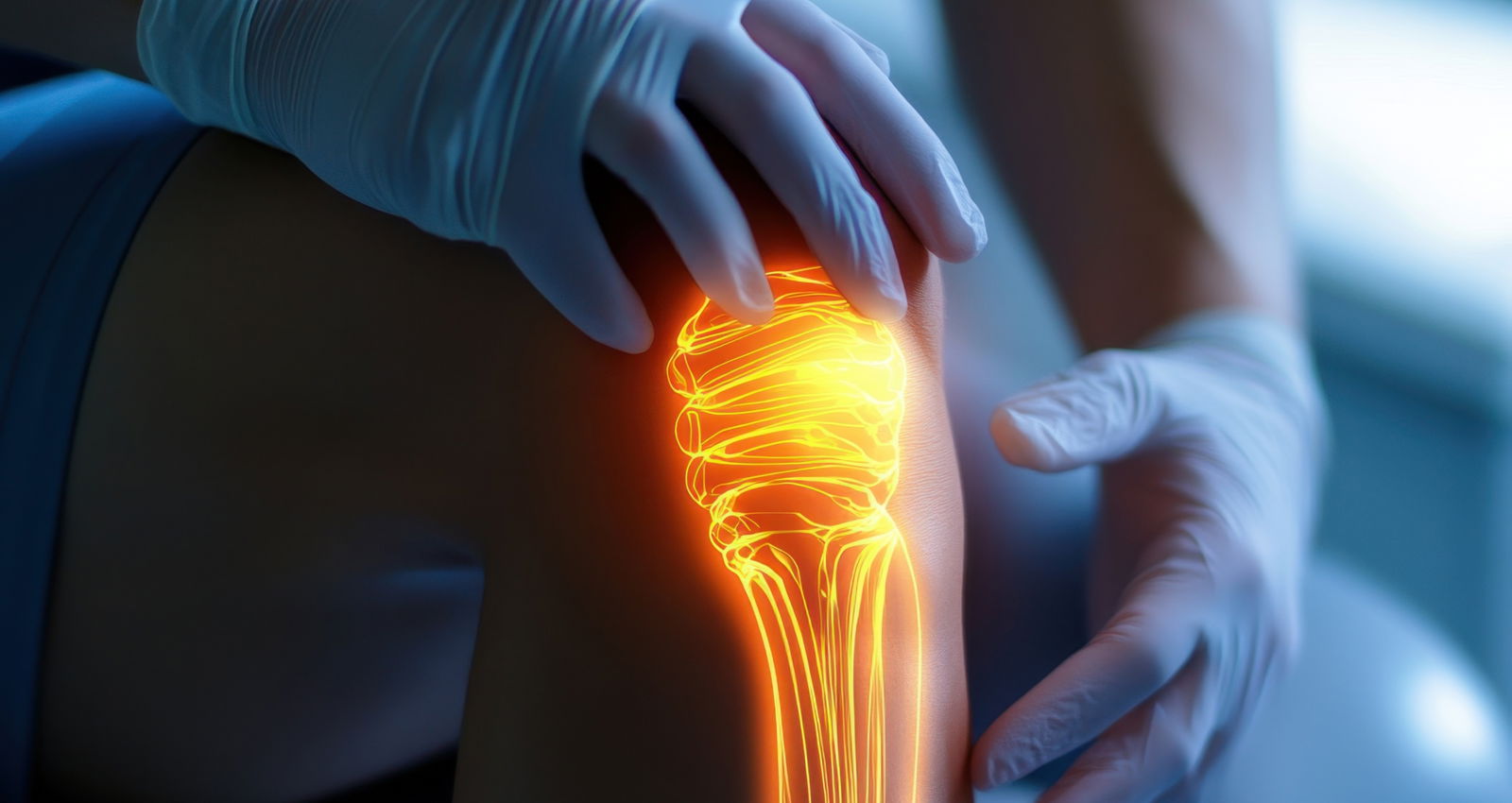
In the realm of endurance sports, the intersection of technology and rehabilitation is becoming increasingly critical. Experienced athletes often understand the delicate balance between pushing limits and recovering effectively. As we dive deeper into the advancements in injury care, there’s a focus not just on physical healing but on fostering mental resilience. Technologies like laser therapy, vibration therapy, and pneumatic compression devices are shaping how we approach recovery and performance.
The reality for many endurance athletes is that injuries, whether acute or chronic, serve as poignant reminders of the body’s limitations. The physicality of running long distances or cycling for hours requires an understanding of one’s body and, importantly, how to nurture it back to health. Laser therapy, specifically, offers a noninvasive approach that aligns with the ethos of an athlete who strives to minimize downtime. Low-level laser therapy (LLLT) works at a cellular level by enhancing mitochondrial function, consequently boosting energy production without engendering thermal damage. This is crucial for someone who has faced setbacks; it represents a possibility to return to training sooner, with the assurance that the process will not impede long-term progress.
Moreover, the choice of recovery modalities is not only about physical outcomes; it’s also a psychological strategy. The mental aspect of recovery can often feel just as taxing, if not more so, than training itself. Superpulsed laser therapy complements the athlete’s journey by providing deeper tissue penetration, addressing injuries that affect muscle groups critical for sustained performance. This depth of treatment parallels the endurance journey: overcoming pain and self-doubt often requires drilling deeper into one’s psyche, to those places where resilience is forged.
Switching focus to vibration therapy, we can see another facet of recovery that resonates with the disciplined endurance athlete. Vibration therapy employs mechanical oscillations that stimulate muscle recovery and enhance circulation. At a deeper level, this modality taps into a key principle of training adaptation. Just as our muscles respond to stress through the process of hypertrophy, vibration therapy offers a synthetic stimulus that can expedite recovery and enhance performance through improved neuromuscular response. The trick, however, lies in moderating usage. Listening to one’s body becomes paramount, as overuse can lead to soreness or strain rather than relief. Here is where the parallel to pacing becomes evident; the ability to control one’s effort, whether in training or recovery, can spell the difference between stagnation and success.
Pneumatic compression devices add yet another layer to this recovery tapestry. By applying external pressure to arteries and veins, they encourage venous return and mitigate the soreness that often hampers post-intense exercise recovery. This technology aligns with the endurance athlete’s mindset, where a well-structured recovery regimen is as crucial as the training itself. The physiological impacts are not merely biological; they echo the athlete’s own understanding of pressure—in both the literal and metaphorical senses. The pressure that comes from competition, the weight of unfulfilled expectations, and the desire to satiate one’s competitive spirit can be overwhelming, yet it is something endurance athletes learn to navigate.
Every tool at an athlete’s disposal, from laser therapy to pneumatic compression, requires cultivation of awareness and adaptability. It serves as a reminder that our bodies, while capable of remarkable feats, also necessitate compassionate care and an astute understanding of their limits. Integrating these technologies into a training regimen is parallel to incorporating rest days; it’s a methodical approach to maintaining an athlete’s health—both mentally and physically.
In the pursuit of endurance sports, the capacity to embrace fluidity becomes essential. Recognizing that setbacks can serve as catalysts for growth rather than mere roadblocks allows seasoned athletes to refine their craft without being daunted by the complexities of injury recovery. Resilience is not born solely from endurance—it is honed through the willingness to evolve, to embrace new methodologies, and to remain steadfast in one’s dedication to a balanced approach.
As athletes embark on their next long session, the takeaway is simple yet profound: recovery is not passive. It is a dynamic process that intertwines with training, pacing, and the growth of one’s mental toughness. Every mile run or bike pedaled embeds lessons about adaptability in the face of adversity. Embrace these challenges, and remember that strength is often found in what we do in the moments of rest just as much as in the exertion of effort.
