Close Menu
All About Ultras
  • News
  • Races
  • Nutrition
  • Culture
  • Tools
    • UTMB Ballot Calculator

Subscribe to Updates

Subscribe to our newsletter and stay updated with the latest news and exclusive offers.

What's Hot

Trail Running Breakthroughs: New Gear Elevates 100K and 100-Mile Races

January 31, 2026

The Fine Line Between Strava Rivalry and Harassment: A Runner’s Obsession to Erase a Competitor

January 31, 2026

Thousands Join 2026 Colchester Half Marathon to Support Local Cancer Fighters

January 31, 2026
Facebook X (Twitter) Instagram
All About Ultras
Login
  • News

    Trail Running Breakthroughs: New Gear Elevates 100K and 100-Mile Races

    January 31, 2026

    Trail Running Revolution: New Gear Innovations Boost 100-Mile Race Performance

    January 30, 2026

    Trail Running Takes Center Stage: New Gear and UTMB Qualifiers Announced!

    January 29, 2026

    Trail Running Thrills: New Gear Boosts Performance at UTMB Qualifiers

    January 28, 2026

    Trail Running Revolution: New Gear Boosts Performance in UTMB Qualifiers!

    January 27, 2026
  • Races

    The Fine Line Between Strava Rivalry and Harassment: A Runner’s Obsession to Erase a Competitor

    January 31, 2026

    Snowdrop 55 Hour Ultra Race: Honoring Chelsey Campbell’s Legacy and Supporting Pediatric Cancer Survivors

    January 30, 2026

    Comprehensive Review of the Kiprun 10L Running Vest: Versatile and Efficient for Trail Adventures

    January 29, 2026

    Register Now for the Griffith Park Run Half Marathon and 5K on February 1st to Support Los Angeles Parks

    January 28, 2026

    Ironman Increases Draft Zone for Pro Athletes from 12 to 20 Meters, Enhancing Race Dynamics with RaceRanger Technology

    January 27, 2026
  • Nutrition

    Endurance Athlete’s Journey: Resilience Through Ulnar Collateral Ligament Recovery

    January 29, 2026

    Endurance and Resilience: How Vitamin D Fuels Ultramarathon Success

    January 27, 2026

    Resilient Recovery: 4 Endurance Strategies for Overcoming Patellofemoral Pain

    January 23, 2026

    Beyond Prostatectomy: Endurance Athletes’ Journey to Recovery and Performance

    January 16, 2026

    Endurance Athlete’s Resilience: Overcoming Hamstring T-Junction Injuries in Ultramarathon Training

    January 8, 2026
  • Culture

    Thousands Join 2026 Colchester Half Marathon to Support Local Cancer Fighters

    January 31, 2026

    Paralyzed Runner Tackles 50-Mile Race in Stunning Mountain Journey for Hope

    January 29, 2026

    From Captivity to Champion: Survivor Shatters Ultramarathon Record in Endurance Race

    January 27, 2026

    Canadian ultrarunner breastfeeds baby en route to 100-km victory in stunning race

    January 25, 2026

    Daughter of Gosport Dad Lost to Brain Cancer Runs London Marathon Challenge

    January 23, 2026
  • Tools
    • UTMB Ballot Calculator
All About Ultras
Home»Nutrition»From Injury to Triumph: Resilient Recovery Strategies for Endurance Athletes
Nutrition

From Injury to Triumph: Resilient Recovery Strategies for Endurance Athletes

Staff WriterBy Staff WriterAugust 27, 2025No Comments4 Mins Read
From injury to triumph: resilient recovery strategies for endurance athletes
Share
Facebook Twitter Reddit Telegram Pinterest Email

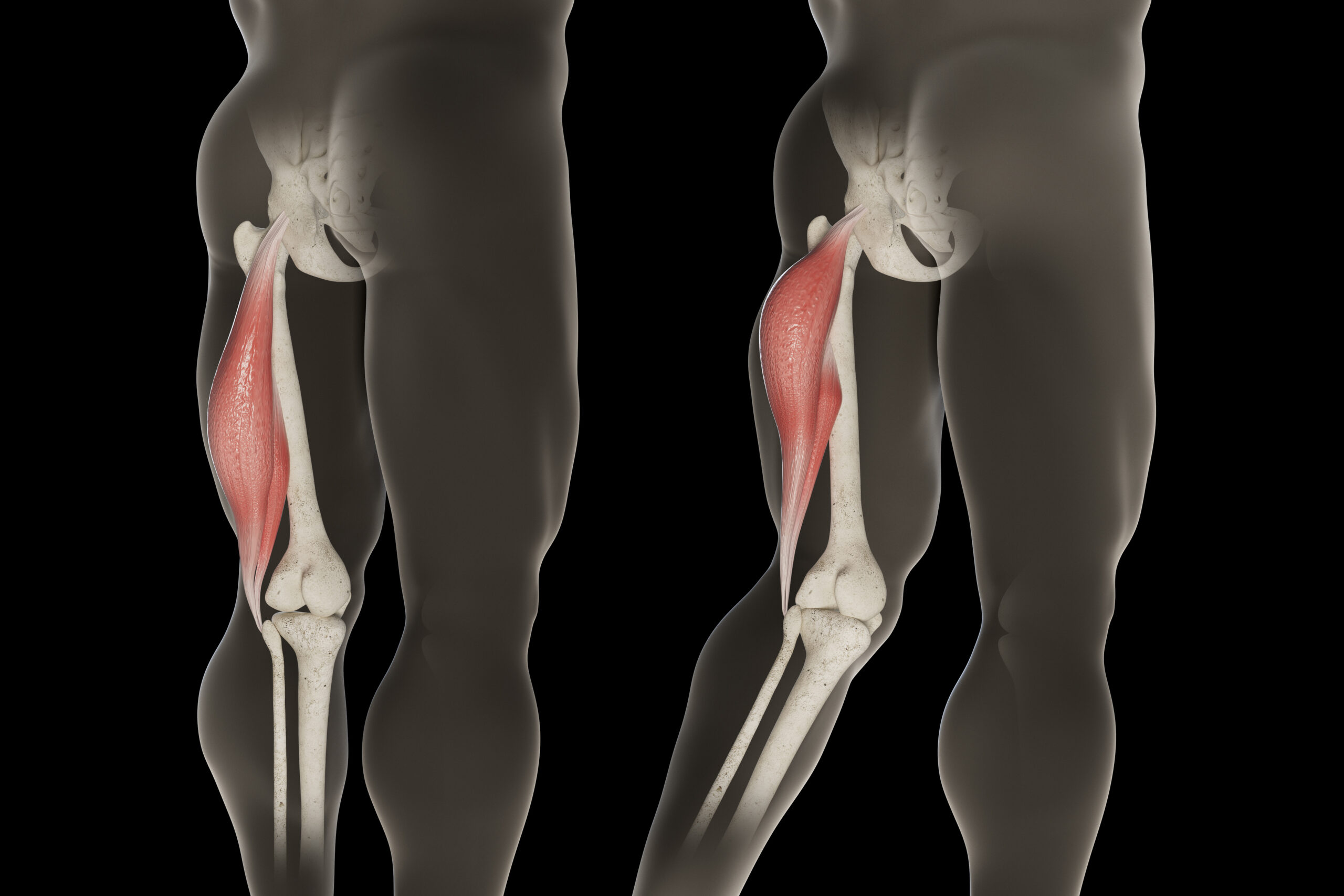
Hamstring strains remain a prevalent concern among elite athletes, especially within endurance sports where extended and varied training conditions can exacerbate both injury risks and recovery challenges. Despite advancements in rehabilitation science, the likelihood of recurrent strains remains high, prompting a need for careful attention to several interrelated factors in an athlete’s approach to training and recovery.

One significant aspect is the athlete’s perception of their recovery timeline. Research has consistently shown that an athlete’s belief regarding how long they need to return to full function can greatly affect actual outcomes. This is particularly true in a high-stakes environment, where the psychological facets—such as fear of re-injury and a perceived loss of confidence—can detrimentally impact performance. Thus, fostering an environment where athletes feel secure in their body’s recovery processes is essential. This involves encouraging positive reinforcement and gradual exposure to training activities that enhance both physical and psychological readiness.

Early engagement in movement after an injury, rather than prolonged rest, is crucial for maintaining fitness and facilitating a quicker return to previous levels of performance. For athletes undergoing rehabilitation, re-engaging in pain-controlled movements from the onset helps combat the fear associated with re-injury while also preserving metabolic conditioning. This proactive approach is a core principle in managing hamstring strains effectively and can be adapted to enhance recovery in endurance athletes. Maintaining pain responses under a manageable threshold allows athletes to remain mentally engaged and physically prepared, even when not training at full capacity.

An athlete’s immediate management plan should include activities that combine physical rehabilitation with an emphasis on maintaining a connection to their sport. For example, to begin with, gentle on-field activities like daily marching and light accelerations can be beneficial. These promote circulation and maintain muscle activation without exacerbating injury risk. Strength training sessions should integrate low-intensity, controlled movements such as isometric holds which focus on developing stability and strength in the affected area without overloading the tissues.

Nutrition also plays a pivotal role in recovery and can be especially critical in endurance contexts where muscle repair and energy demands are amplified. Athletes should ensure they are consuming an adequate amount of protein at strategic times throughout their day, particularly after training sessions. This supports muscle recovery while also addressing potential losses in muscle mass that can occur due to injury or reduced training loads. A cemented fueling strategy that includes carbohydrate intake timed around training sessions is essential to replenish glycogen stores, particularly as endurance athletes often train with varied intensities and durations that can rapidly deplete these stores.

Hydration is another vital component that endurance athletes should prioritize, especially in recovery contexts. Dehydration can impair muscle recovery, so athletes must pay attention to fluid intake following any length of training and rehydration protocols, adjusting their hydration strategies based on sweat loss and environmental conditions. Utilizing electrolyte-rich beverages can also enhance recovery and mitigate the effects of sodium loss during intense training, promoting an optimal balance in the body’s electrolytes.

A focus on metabolic efficiency also holds value in the recovery and training framework for endurance athletes. Essentially, this means training the body to utilize fat as the primary fuel source during prolonged exercise, reducing reliance on glycogen stores. This adaptation not only enhances endurance performance but can also lead to improved recovery outcomes following depletion during prolonged exertion. Integrating longer, steady-state sessions that encourage fat oxidation can build this efficiency while simultaneously respecting the integrity of an athlete recovering from an injury.

Moreover, upon returning to training post-injury, athletes should consider strategies that maintain their competitive edge. This includes maintaining a consistent integration of speed and intensity into their practice, within safe parameters set by their recovery stage. Transitioning through the phases of training while progressively increasing load will allow for strengthening without risking re-injury, thereby integrating smart recovery strategies into their overall performance goals.

Ultimately, the quest for recovery optimization extends beyond addressing specific injuries—it encompasses maintaining overall performance capabilities with intelligent management of training, nutrition, and hydration strategies. Athletes must nurture their bodies with as much rigor as they demand from them during high-performance scenarios, focusing on aspects of their training that support resilience and fortitude.

In summary, an essential takeaway for endurance athletes is the importance of maintaining a systematic approach to recovery that prioritizes early engagement in movement, strategic nutrition timing, and a focus on metabolic efficiency. Integrating these principles can significantly bolster recovery, reduce the risk of reinjury, and enhance overall performance sustainability. By actively participating in their recovery processes, athletes position themselves for a more confident and resilient return to competitive training and racing.

Athletes Endurance Injury recovery Resilient Strategies Triumph
Share. Facebook Twitter Pinterest LinkedIn Telegram Reddit Email
Previous ArticleTrail Running Revolution: Explore Breakthrough Gear for 100-Mile Races!
Next Article U.S. Marathoner Shadrack Biwott Receives Four-Year Suspension After EPO Positive Test
karan.kanishk
Staff Writer
  • Website

Related Posts

Endurance Athlete’s Journey: Resilience Through Ulnar Collateral Ligament Recovery

January 29, 2026

Ironman Increases Draft Zone for Pro Athletes from 12 to 20 Meters, Enhancing Race Dynamics with RaceRanger Technology

January 27, 2026

From Captivity to Champion: Survivor Shatters Ultramarathon Record in Endurance Race

January 27, 2026

Endurance and Resilience: How Vitamin D Fuels Ultramarathon Success

January 27, 2026

Trail Running Triumph: New 100K Races Elevate UTMB Qualifiers Worldwide

January 24, 2026

Resilient Recovery: 4 Endurance Strategies for Overcoming Patellofemoral Pain

January 23, 2026
Add A Comment
Leave A Reply Cancel Reply

Stay In Touch
Don't Miss

Trail Running Breakthroughs: New Gear Elevates 100K and 100-Mile Races

By Staff WriterJanuary 31, 2026

As February kicks off, the North American ultramarathon calendar sees a notable density of events,…

The Fine Line Between Strava Rivalry and Harassment: A Runner’s Obsession to Erase a Competitor

January 31, 2026

Thousands Join 2026 Colchester Half Marathon to Support Local Cancer Fighters

January 31, 2026

Trail Running Revolution: New Gear Innovations Boost 100-Mile Race Performance

January 30, 2026

Subscribe to Updates

Subscribe to our newsletter and stay updated with the latest news and exclusive offers.

About Us
About Us

Welcome to All About Ultras, your ultimate destination for everything related to endurance sports, with a special focus on running. Whether you're a seasoned ultra marathoner, a weekend warrior, or just starting your journey into long-distance running, we are here to inspire, inform, and support you.

Our Picks

Trail Running Revolution: New Gear Innovations Boost 100-Mile Race Performance

January 30, 2026

Snowdrop 55 Hour Ultra Race: Honoring Chelsey Campbell’s Legacy and Supporting Pediatric Cancer Survivors

January 30, 2026

Trail Running Takes Center Stage: New Gear and UTMB Qualifiers Announced!

January 29, 2026
New Comments
    • About Us
    • Contact Us
    • Privacy Policy
    • Terms and Conditions
    • Disclaimer
    © 2026 All About Ultras. All Rights Reserved.

    Type above and press Enter to search. Press Esc to cancel.

    Sign In or Register

    Welcome Back!

    Login to your account below.

    Lost password?