Close Menu
All About Ultras
  • News
  • Races
  • Nutrition
  • Culture
  • Tools
    • UTMB Ballot Calculator

Subscribe to Updates

Subscribe to our newsletter and stay updated with the latest news and exclusive offers.

What's Hot

Trail Running Breakthroughs: New Gear Elevates 100K and 100-Mile Races

January 31, 2026

The Fine Line Between Strava Rivalry and Harassment: A Runner’s Obsession to Erase a Competitor

January 31, 2026

Thousands Join 2026 Colchester Half Marathon to Support Local Cancer Fighters

January 31, 2026
Facebook X (Twitter) Instagram
All About Ultras
Login
  • News

    Trail Running Breakthroughs: New Gear Elevates 100K and 100-Mile Races

    January 31, 2026

    Trail Running Revolution: New Gear Innovations Boost 100-Mile Race Performance

    January 30, 2026

    Trail Running Takes Center Stage: New Gear and UTMB Qualifiers Announced!

    January 29, 2026

    Trail Running Thrills: New Gear Boosts Performance at UTMB Qualifiers

    January 28, 2026

    Trail Running Revolution: New Gear Boosts Performance in UTMB Qualifiers!

    January 27, 2026
  • Races

    The Fine Line Between Strava Rivalry and Harassment: A Runner’s Obsession to Erase a Competitor

    January 31, 2026

    Snowdrop 55 Hour Ultra Race: Honoring Chelsey Campbell’s Legacy and Supporting Pediatric Cancer Survivors

    January 30, 2026

    Comprehensive Review of the Kiprun 10L Running Vest: Versatile and Efficient for Trail Adventures

    January 29, 2026

    Register Now for the Griffith Park Run Half Marathon and 5K on February 1st to Support Los Angeles Parks

    January 28, 2026

    Ironman Increases Draft Zone for Pro Athletes from 12 to 20 Meters, Enhancing Race Dynamics with RaceRanger Technology

    January 27, 2026
  • Nutrition

    Endurance Athlete’s Journey: Resilience Through Ulnar Collateral Ligament Recovery

    January 29, 2026

    Endurance and Resilience: How Vitamin D Fuels Ultramarathon Success

    January 27, 2026

    Resilient Recovery: 4 Endurance Strategies for Overcoming Patellofemoral Pain

    January 23, 2026

    Beyond Prostatectomy: Endurance Athletes’ Journey to Recovery and Performance

    January 16, 2026

    Endurance Athlete’s Resilience: Overcoming Hamstring T-Junction Injuries in Ultramarathon Training

    January 8, 2026
  • Culture

    Thousands Join 2026 Colchester Half Marathon to Support Local Cancer Fighters

    January 31, 2026

    Paralyzed Runner Tackles 50-Mile Race in Stunning Mountain Journey for Hope

    January 29, 2026

    From Captivity to Champion: Survivor Shatters Ultramarathon Record in Endurance Race

    January 27, 2026

    Canadian ultrarunner breastfeeds baby en route to 100-km victory in stunning race

    January 25, 2026

    Daughter of Gosport Dad Lost to Brain Cancer Runs London Marathon Challenge

    January 23, 2026
  • Tools
    • UTMB Ballot Calculator
All About Ultras
Home»Nutrition»The Resilience of Endurance: Coach Vance’s Journey Through Ultramarathon Recovery
Nutrition

The Resilience of Endurance: Coach Vance’s Journey Through Ultramarathon Recovery

Staff WriterBy Staff WriterSeptember 10, 2025No Comments4 Mins Read
The resilience of endurance: coach vance's journey through ultramarathon recovery
Share
Facebook Twitter Reddit Telegram Pinterest Email

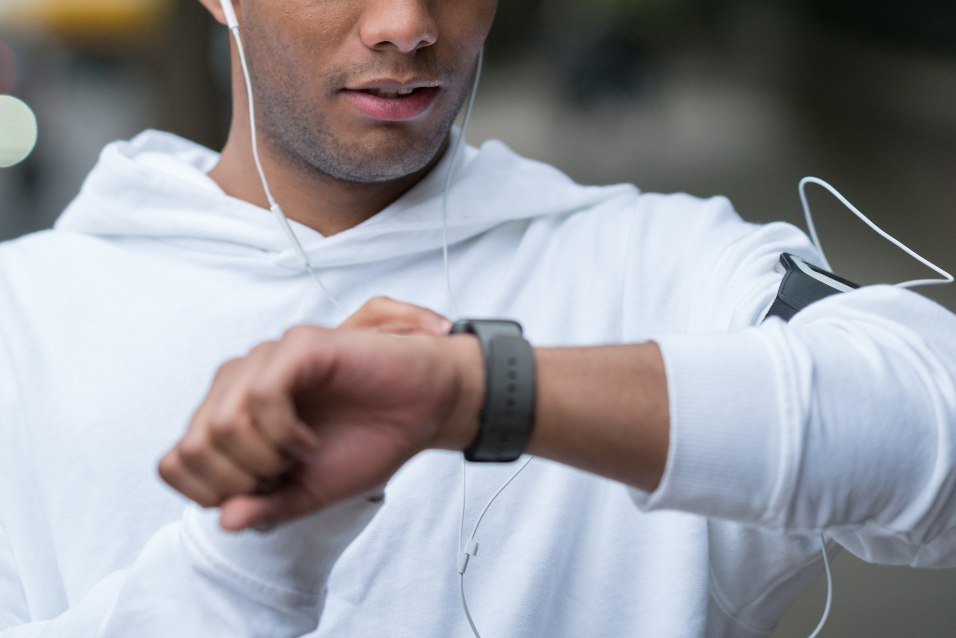
In the world of endurance athletics, particularly under challenging conditions, the interplay between intuition and data becomes increasingly significant. While every experienced athlete intuitively understands their body’s signals, the reliance solely on feelings can lead to missed opportunities for performance enhancement. For athletes competing at high levels, the nuances between gut tolerance, fueling strategies, and hydration management can drastically affect outcomes in training and competitive scenarios.

Consider the importance of nutrition timing. It has long been established that consuming carbohydrates during prolonged physical exertion can enhance performance and delay fatigue. However, the timing of these intakes, influenced by gut tolerance, is essential for optimizing results. Athletes often experience gastrointestinal discomfort when consuming certain fuels, especially under stress. By leveraging data—such as heart rate or perceived exertion—alongside subjective feelings about their physiological state, athletes can refine their fueling strategies. Gradually adjusting what, when, and how much is consumed during training can yield critical insights into what works best for the body’s unique metabolism. This dual approach allows athletes to gather data from each session, leading to a more personalized nutrition strategy.

Hydration strategies also benefit substantially from the blend of instinct and information. Experienced athletes often gauge their hydration needs through a keen sense of their body’s signals. However, dehydration can manifest subtly, particularly during extended efforts where weather conditions fluctuate. Reliance on sweat rates, urine color, and thirst can offer subjective feedback. Yet, utilizing data from hydration testing—how weight changes during workouts or the impact of varying fluid intake on performance—can solidify a more grounded understanding of hydration needs. By pairing one’s instinctive responses with quantitative insights, athletes can avoid the pitfalls of under or overhydration, thereby improving their endurance and recovery.

Metabolic efficiency is a critical factor in long-duration efforts. As endurance athletes adapt, they become better at utilizing fat as a fuel source, sparing glycogen for when it is truly needed. While some athletes track their resting metabolic rates and nutrient profiles, others rely on their feelings to guide their training intensity and duration. Combining these approaches allows for a deeper understanding of individual metabolic processes. For instance, testing various carbohydrate and fat ratios in training while simultaneously measuring performance metrics can lead to discoveries about optimal fueling for races. Identifying how the body responds to different approaches not only hones athletes’ metabolic efficiency but also fine-tunes their race plans.

Recovery optimization is yet another area where the integration of feel and data is vital. Experienced athletes know the subtle signs of fatigue, both physical and psychological. However, the analysis of training loads, heart rate variability, and recovery rates can uncover patterns that feelings alone might not reveal. By tracking recovery metrics post-training, athletes might discover that their perceived recovery time is longer than what the data suggests. Conversely, they may find that their body feels ready for more intensive training than the numbers indicate. This synergy fosters a more intelligent recovery strategy, empowering athletes to push boundaries wisely while honoring the necessary rest and rehabilitation periods.

In addressing supplementation, athletes often rely on their experiences with various products; however, it is essential not to overlook the scientific backing behind their efficacy. Understanding how vitamins, minerals, and other supplements can influence performance and recovery is pivotal. Some athletes may feel the immediate effects of a caffeine boost or electrolyte replenishment, while others may benefit from a more gradual impact, suggesting that these substances interact differently based on training status and individual metabolic responses. The systematic evaluation of supplement efficacy through various training phases allows athletes to adjust their intake not only based on what feels good but also on what research supports, resulting in maximized benefit.

The essence of integrating data with feel in endurance performance not only enhances immediate outcomes but builds a foundation for long-term growth. As athletes engage with their training cycles, the iterative process of refining their approach to nutrition, hydration, recovery, and overall performance via feedback—both subjective and objective—creates a structured pathway for improvement. The best athletes are those who embrace this duality, utilizing their instincts as well as the insights garnered from data to make informed decisions that drive their achievements.

Ultimately, a realistic and valuable takeaway for endurance athletes is to meticulously track their fueling and hydration strategies during training, focusing on how these elements correlate with performance metrics. Realizing the importance of both subjective feelings and objective data allows for deeper insights into personal physiology and fosters a more adaptable and effective approach to training and racing. Building a comprehensive understanding of oneself through this dual method can lead to greater success in reaching peak performance, particularly in the highly demanding world of endurance athletics.

coach Endurance Journey recovery Resilience Ultramarathon Vances
Share. Facebook Twitter Pinterest LinkedIn Telegram Reddit Email
Previous ArticleTrail Running Takes Off: New 100K Race This Fall in Colorado
Next Article

Join the Cairo Marathon 2026: Registration Now Open for Early Bird Tickets!

karan.kanishk
Staff Writer
  • Website

Related Posts

Paralyzed Runner Tackles 50-Mile Race in Stunning Mountain Journey for Hope

January 29, 2026

Endurance Athlete’s Journey: Resilience Through Ulnar Collateral Ligament Recovery

January 29, 2026

From Captivity to Champion: Survivor Shatters Ultramarathon Record in Endurance Race

January 27, 2026

Endurance and Resilience: How Vitamin D Fuels Ultramarathon Success

January 27, 2026

Thunderbird Trail Run: A Journey Through Scenic Trails and Irresistible Bacon

January 24, 2026

Resilient Recovery: 4 Endurance Strategies for Overcoming Patellofemoral Pain

January 23, 2026
Add A Comment
Leave A Reply Cancel Reply

Stay In Touch
Don't Miss

Trail Running Breakthroughs: New Gear Elevates 100K and 100-Mile Races

By Staff WriterJanuary 31, 2026

As February kicks off, the North American ultramarathon calendar sees a notable density of events,…

The Fine Line Between Strava Rivalry and Harassment: A Runner’s Obsession to Erase a Competitor

January 31, 2026

Thousands Join 2026 Colchester Half Marathon to Support Local Cancer Fighters

January 31, 2026

Trail Running Revolution: New Gear Innovations Boost 100-Mile Race Performance

January 30, 2026

Subscribe to Updates

Subscribe to our newsletter and stay updated with the latest news and exclusive offers.

About Us
About Us

Welcome to All About Ultras, your ultimate destination for everything related to endurance sports, with a special focus on running. Whether you're a seasoned ultra marathoner, a weekend warrior, or just starting your journey into long-distance running, we are here to inspire, inform, and support you.

Our Picks

Trail Running Revolution: New Gear Innovations Boost 100-Mile Race Performance

January 30, 2026

Snowdrop 55 Hour Ultra Race: Honoring Chelsey Campbell’s Legacy and Supporting Pediatric Cancer Survivors

January 30, 2026

Trail Running Takes Center Stage: New Gear and UTMB Qualifiers Announced!

January 29, 2026
New Comments
    • About Us
    • Contact Us
    • Privacy Policy
    • Terms and Conditions
    • Disclaimer
    © 2026 All About Ultras. All Rights Reserved.

    Type above and press Enter to search. Press Esc to cancel.

    Sign In or Register

    Welcome Back!

    Login to your account below.

    Lost password?