


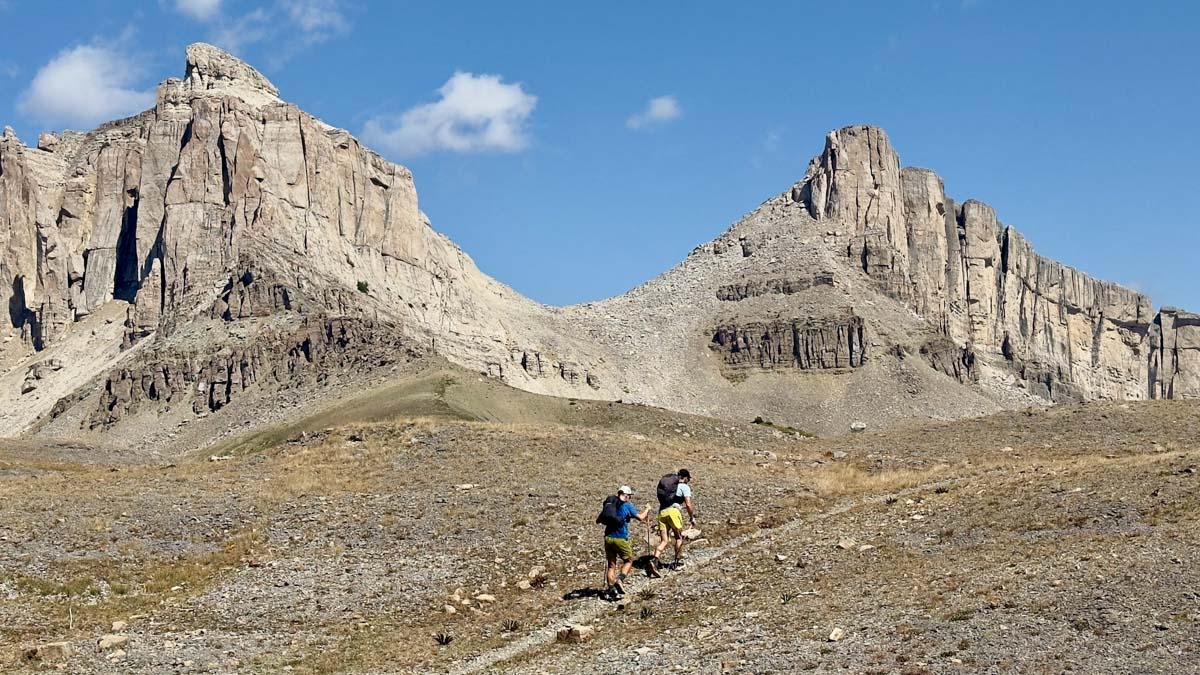
Trail and ultrarunning have long been integral to the adventure sports community, especially in regions rich with wilderness like the Gros Ventre Wilderness in Wyoming. Recent engagements by trail runners Luke Nelson, Steven Gnam, and Gabe Joyes highlight challenges and strategies pertinent to those training for mountain races of varying distances. Their experience emphasizes not only endurance and navigation skills but also the importance of connecting with the natural environment for effective training strategy. Given budget cuts affecting ranger presence in this area, effective planning and awareness of surroundings are more crucial than ever.
The Gros Ventre Wilderness offers varied terrain, suitable for runners accustomed to the unpredictable nature of mountain ultras. This area, surrounded by prominent national parks, provides a unique training backdrop, especially since solitude monitoring has been initiated to assess human impact in these spaces. The absence of formal trail markings can create navigation difficulties, underscoring the need for runners to develop strong map reading and orienteering skills—vital for both safety and race performance. Familiarity with such training grounds can give ultrarunners an edge when tackling terrain that might appear in race settings, where precision and adaptability often determine success.
During their two-day run, the team encountered limited human presence, which raises an important point for ultrarunners about isolation and focus during training. The spacious solitude allows for mental clarity, a sometimes-overlooked aspect of long-distance running. It invites a deeper understanding of one’s pacing strategy, hydration needs, and energy management. The absence of distractions fosters an environment where runners can better evaluate their physical responses to intense exertion over hours, if not days.
Training for races in rugged conditions requires not just physical stamina but also a strategic approach to gear selection. As lightweight gear continues to advance, attention should be paid to what is both reliable and functional under harsh conditions. Innovations in footwear, packs, and clothing fabric can impact weight distributions and ultimately enhance performance on race day. The Gros Ventre Wilderness exemplifies terrain that can test the limits of existing gear, affirming the necessity for ultrarunners to rigorously evaluate their equipment in varied conditions that mirror race scenarios.
Navigational challenges can become quite pronounced in unmaintained areas, as evidenced by the team’s experience. For ultrarunners preparing for races that may include trails of varying conditions and unforeseen obstacles, acknowledging potential course changes is fundamental. It requires mental readiness to alter plans and routes in real-time—a skill forged through extensive training runs in similar environments. Experienced runners understand that course configurations can change, much like race strategies, based on the prevailing weather or ground conditions, highlighting the need for flexible yet decisive action.
Negative externalities, such as encountering wildlife (like grizzly bears), contribute additional elements to races in wilderness settings. While sightings can be exhilarating, they’d also serve as a reminder to prioritize safety and situational awareness. Runners must strategize entry and exit points in relation to wildlife presence, particularly in areas known for animal activity. Carrying proper safety gear and understanding how to react in an encounter can be as important as understanding pacing or nutrition plans.
Moreover, the group utilized their time in specific solitude zones to gather data crucial for the conservation efforts in these areas. This informs a growing trend towards environmental stewardship in the ultrarunning community. The acknowledgment of one’s impact on the environment and the importance of preserving trails is pertinent, not just for sustainability but as a strategy for training in an era where preservation efforts could alter the accessibility of these natural resources.
Runners seeking qualification for events like the Ultra-Trail du Mont-Blanc (UTMB) or similar trails should keep abreast of any substantial changes in race parameters, venue setups, or requirements for entry. Continuous feedback from race directors about key aspects of the race—course conditions, checkpoint setups, and pacing dynamics—can influence not just preparation timelines but overall training protocols.
As the trail running landscape evolves with new race launches and changes to established courses, the key takeaway for those immersed in ultrarunning is to remain adaptable. Make informed decisions and embrace the unpredictability of nature while honing navigation skills and gear choices. Cultivating resilience through explorations that mimic race conditions will be invaluable ahead of competitions, ensuring experienced runners are ready to cope with any challenges that arise on race day.
