


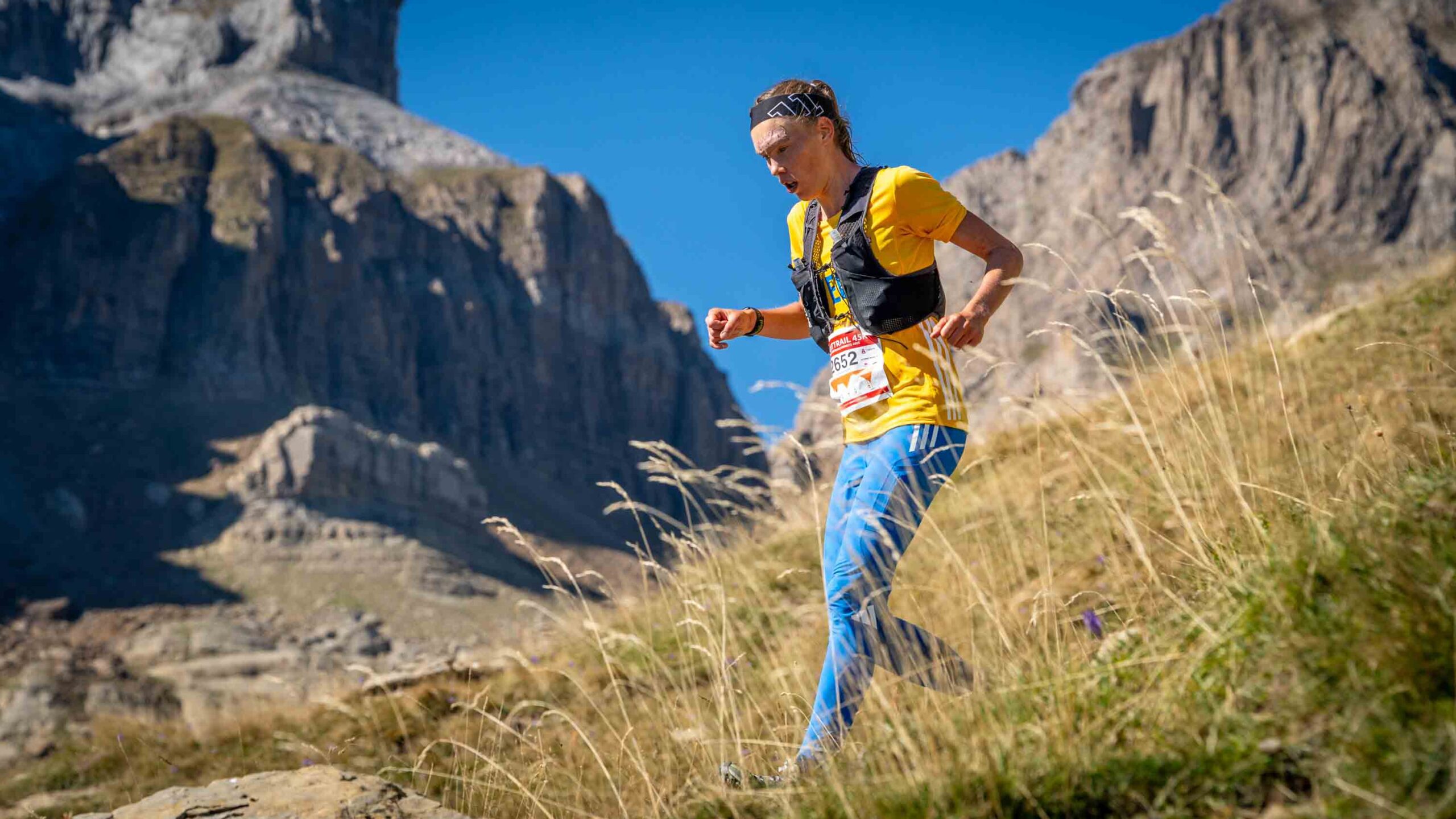
The 2025 World Mountain and Trail Running Championships, held in Canfranc, Spain, showcased various facets of competitive mountain racing that experienced trail and ultrarunners would find insightful. Notably, the Short Trail race segment unfolded a challenging 45-kilometer course that featured 3,657 meters of climbing, predominantly following the trajectory of the Canfranc Marathon route, which includes significant climbs and technical descents.
As many seasoned athletes are aware, optimal pacing and strategic positioning at the outset can pay dividends over the course of a race. Female winner Tove Alexandersson of Sweden demonstrated this perfectly when she established her lead approximately 30 minutes into the race. Her final winning time of 5:04 is critical to note; while it secured her victory, it also showcased a performance that was only about 8% slower than the men’s winner, Frédéric Tranchand, who crossed the finish line in 4:42. These results indicate a growing trend of women’s performances narrowing the gap to that of men, reflecting significant developments in training and strategy across the sport.
The course itself presented unique challenges relevant to any competitor looking to excel in mountain ultras. With 122 downhill curves and a sequence of four major climbs, navigating technical terrain effectively is paramount. Runners inclined to compete in high-elevation races must not only excel in flat terrain conditions but also develop skills for managing steep ascents and descents, which can significantly influence energy expenditure and overall performance. For those training for similar events, incorporating varied terrain in training regimens could enhance adaptability to shifting course dynamics.
The competitive field featured substantial international representation, with entries from 57 countries in the women’s race and 63 in the men’s. This diversity not only raises the competition level but also emphasizes the importance of understanding varying strategies and performance levels among international counterparts. Observing how runners from different backgrounds adapt their approaches can offer insights into tactical developments appropriate for specific courses and conditions.
The prize purses provided—€5,000 to each race winner—alongside payouts through to fifth place, underlines the increasing monetary incentives within the sport, making high-level racing a viable pursuit for many. Athletes now may find themselves not only training for personal bests but also with a financial stake in their performances.
Further emphasizing strategic racing, the race dynamics were significantly shaped by climactic decision-making. For example, Alexandersson’s early climbing tactics allowed her to separate from the pack, while Manuel Merillas closely followed Tranchand for a substantial part of the race. This dynamic pacing illustrates the necessity of gauging one’s stamina against competitors and managing one’s energy reserves strategically. Maintaining a balance between aggressive pacing during ascents and recovery during descents is crucial to ensure resilience through the latter stages of a race. Additionally, the decision by some competitors, such as Judith Wyder who withdrew after sustaining wasp stings, highlights the unpredictability that can arise on the course, necessitating on-the-fly adjustments to strategy and performance.
Although race conditions were optimal, with clear skies—the ideal scenario for any trail race—individual competitors still faced inherent risks. Recognizing environmental factors—such as the weather, altitude, and technicality of the course—is essential in pre-race planning and on-the-ground decision-making. Individuals preparing for mountain races should cultivate an in-depth understanding of anticipated course conditions and plan their training accordingly, creating scenarios that mimic potential race-day challenges in training.
Moreover, the results illustrated variations not just in individual prowess but also in team dynamics. Sweden dominated the women’s team race, while Spain led the men’s competition, indicating that building a competitive team structure can facilitate improved individual outcomes, and preparation as a unit can prove advantageous in relay-style events or team competitions.
Athletes attending competitions such as these should also meticulously evaluate gear choices, as innovations in trail running footwear and apparel continue to emerge. The decisions surrounding footwear—specifically traction, weight, and mitigating injury risks—are magnified on rugged terrain. Ensuring that one’s gear is not only light but also capable of handling the varied surface conditions unique to mountainous routes can prove pivotal. Weight distribution and comfort in shoes can significantly impact performance over long distances, making gear selection a nuanced yet critical part of race preparation.
In summary, the 2025 World Mountain and Trail Running Championships provided enduring takeaways for experienced mountain and ultrarunners. Observing race dynamics, understanding the significance of pacing strategy, preparing for environmental unpredictability, and making informed gear choices are steps that can enhance performance. One key takeaway is the importance of early strategic positioning; establishing a strong lead on climbs while managing energy effectively during descents can create a significant advantage in achieving race goals. This focus can directly impact a runner’s overall performance and success in the competitive landscape of mountain racing.
