


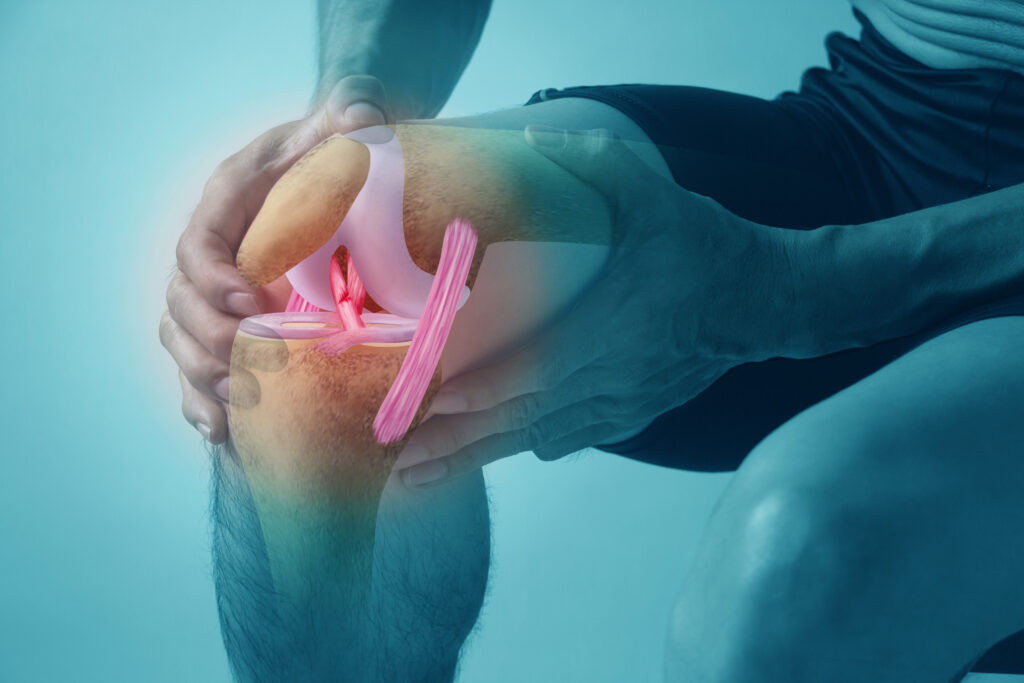
The Cross Brace Protocol (CBP) presents a promising alternative for managing anterior cruciate ligament (ACL) ruptures without surgical intervention. For experienced endurance athletes, the implications of this protocol extend beyond the immediate injury recovery, influencing performance facets such as nutrition timing, metabolic efficiency, and recovery optimization. As athletes accustomed to enduring rigorous training and competition, understanding the nuances of the CBP can empower them to maintain their performance levels in the face of injury.
The core principle of the CBP is to use a locked range of motion (ROM) brace for a strategically determined period following ACL injury. This approach relies on placing the knee in an optimal position to facilitate ligamentous healing, enhancing the potential for a successful recovery. For endurance athletes, the timing of brace application is critical; ideally, it should occur between four to ten days post-injury, mirroring the body’s acute inflammatory response to injury. This stage is pivotal for supplying nutrients to the healing tissues, akin to how certain nutritional interventions in endurance sports are timed for maximum efficacy. Just as athletes carefully plan their nutrition around training sessions to ensure fuel is available precisely when needed, the CBP hinges on taking advantage of the body’s natural healing window.
Athletes must also consider their injury characteristics. An isolated ACL tear occurring from a low-impact event suggests a healthier healing environment, similar to how gut health can influence nutrient absorption and overall metabolic efficiency. For athletes sustaining injuries from dynamic maneuvers like swift changes in direction, the situation may be more complicated, paralleling the challenges faced when gut tolerance fluctuates during prolonged races. The ability to maintain stability and functionality immediately after the injury—akin to an athlete’s readiness to engage in training despite fatigue or low energy—is another positive predictive factor for successful treatment using the CBP.
Nutrition during recovery is paramount, as it supports the body’s repair mechanisms. A diet enriched in anti-inflammatory foods can augment healing processes by modulating inflammatory cytokine levels, similar to the dietary strategies employed in endurance training, where optimal recovery hinges on nutrient timing. One might prioritize amino acids for muscle repair alongside omega-3 fatty acids to mitigate inflammation, paralleling early bracing strategies in the CBP aimed at controlling and managing inflammatory responses. Ensuring consistent hydration remains vital, too; proper fluid balance is necessary for metabolic functions that support healing, akin to how hydration impacts performance and recovery in endurance athletes, particularly in challenging conditions.
The psychological component of adhering to the CBP can be likened to the mental fortitude required during long races where athletes withstand discomfort. A strong support system can reaffirm recovery goals, just as peer encouragement can bolster an athlete’s resolve to push through fatigue. Understanding that the protocol demands stringent adherence to avoid weight-bearing activities, these athletes might need to strategize their training regimens. Adapting training styles, such as focusing on upper body strength or aerobic conditioning in non-weight-bearing environments, mirrors how endurance athletes effectively manage training loads while addressing injury setbacks.
Furthermore, it is imperative to discuss supplement strategies that align with the CBP. Athletes looking to augment their recovery could consider collagen supplementation, as emerging research points to its potential benefits for joint health. Integrating collagen with vitamin C around training sessions may enhance ligament repair, akin to how specific supplements support endurance performance through metabolic pathways. While there’s no one-size-fits-all approach, athletes should creatively position their supplement intake to coincide with the timing of the CBP, thus maximizing the efficacy of both their nutrition and recovery strategies.
Ultimately, athletes must carefully monitor their recovery process, adapting their nutritional and training strategies as they progress through the timeline dictated by the CBP. While initial stages may require rest and heightened focus on nutrition, returning to training after this phase can involve a gradual reintroduction of weight-bearing activities. Just as endurance athletes gauge their internal readiness for pacing during races, those following the CBP must assess their stability and readiness to resume specific workouts, thus recalibrating their training load.
A crucial takeaway for athletes recovering from an ACL injury under the CBP is to maintain a holistic approach to their nutrition, training, and recovery. Aligning meals and supplement intake with the protocol’s timeline can significantly enhance healing, ultimately allowing athletes to resume their endurance activities more effectively. Fostering patience and strategic planning during this time will not only optimize recovery but also support a smooth transition back into peak performance mode when fully recovered.
