


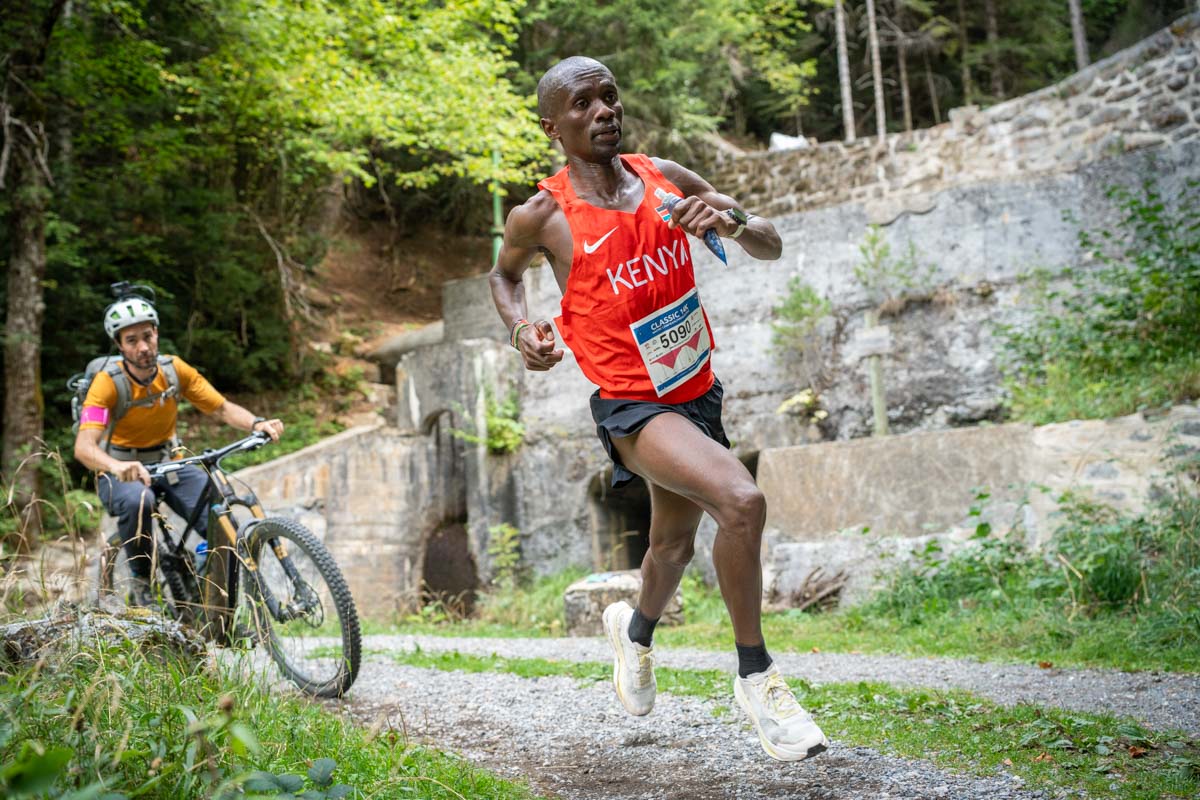
In recent weeks, trail and ultrarunning athletes have demonstrated remarkable performances at various prestigious mountain races, setting the stage for both competitive and strategic insights into training and planning for future events. The World Mountain and Trail Running Championships recently took place in Canfranc, Spain, showcasing exceptional talent across multiple formats from uphill racing to longer distances that are essential for runners preparing for their own mountain ultras.
The championship events highlighted a mix of established competitors and emerging talents, offering insights into the trends that can influence race strategy, pacing, and preparation. Notably, Nina Engelhard from Germany claimed two gold medals—first in the Women’s Uphill event with a time of 45:33, and then again in the Up and Down event, where she finished in a dominant 71:00. Engelhard’s tactical early pacing and ability to sustain momentum under physical strain provide valuable lessons on the importance of finding and maintaining a rhythm, even in challenging terrain. Her strategy to take control early in races exemplifies how establishing a lead can relieve some mental burdens later on, allowing faster recovery through distributed effort.
Similarly, Frédéric Tranchand’s unexpected triumph in the Men’s Short Trail underscored the significance of early race dynamics. Tranchand managed to break free from the lead pack after a decisive downhill early on, finishing in an impressive 4:42. This performance emphasizes a critical aspect of mountain racing: understanding the course and the race dynamics so that one can capitalize on the inevitable shifts in pace that accompany varied terrain. Runners should focus on simulating race conditions in the lead-up to their competition to better understand their optimal pacing strategy for both ascents and descents.
The superiority of athletes with an orienteering background was evident, highlighting the intricate balance of speed and navigation, particularly in longer formats like the Trail World Championships Long Trail. Katie Schide from the U.S. showcased this balance with a standout victory at 9:57, reinforcing the importance of strategy and effort management over long distances. Runners should consider weaponizing their experience from various formats—be it orienteering, road running, or shorter trail events—to develop versatile pacing strategies tailored to the specific demands of their race.
In this year’s championship events, we also witnessed notable performances that reflect the evolving nature of gear and technology in trail running, particularly with weight and reliability considerations coming to the forefront. Equipment utilized by leading racers, such as lighter trail shoes and specialized hydration packs, can have a pronounced effect on performance. Athletes like Jim Walmsley, who finished first in the Long Trail with a time of 8:35, often highlight the importance of minimalism not just in gear, but also in mindset—managing mental fatigue as much as physical strain. As you prepare for future races, evaluating your gear’s reliability and performance under specific course conditions could yield significant time savings.
The atmosphere of strategic racing was palpable in the teams participating in these championships, where countries such as Kenya and Italy excelled in both men’s and women’s divisions of the team competitions. This places a spotlight on the importance of teamwork and collaborative training methods. Referencing both team dynamics and pacing highlights the fact that mountain running is not just a solitary endeavor; the benefits gained from sharing insights and techniques within a training group can enhance overall performance during races.
What’s also notable from these championships is the emergence of new races like the Mammoth 200 Mile, which debuted with promising prize structures aimed at attracting top-tier competitors. With an increased interest in ultra-distance events, runners should remain vigilant about newly sanctioned routes that could serve as qualifiers for prestigious races like the UTMB. Staying updated on course nuances and elevation profiles in these emerging races can greatly benefit strategic race planning—ensuring familiarity with the course will inherently contribute to better pacing and hydration strategies.
Additionally, the finishing results from the recent races allow for a more nuanced understanding of pacing with regards to different terrains. In events like the Bear 100 Mile, where temperatures and weather can pose unforeseen challenges, analyzing how top finishers adapt and react to conditions is essential. The fact that Sarah Humble won in a noteworthy 21:12 showcases that attention to meteorological data should be just as integral to training as physical preparation.
For an athlete preparing for serious mountain ultras, move beyond merely racing against the clock by integrating lessons learned from championship performances into your training routine. Assessing course maps, experimenting with hydration and nutrition strategies, and considering past race data to adjust training loads will help in formulating a race plan that is both flexible and robust.
Ultimately, as races become more competitive and new routes emerge, the essence of effective mountain ultrarunning lies in honing a multi-faceted approach—combining endurance, tactical awareness, and the ability to adapt to the unique challenges presented by each race environment. The takeaway is clear: prepare for variety, remain adaptable in strategy placement, and continue to study the best practices of elite competitors.
