


As ultrarunning continues to evolve, the athletes and events at the forefront provide valuable insights into strategies that may influence performance in mountain racing. The upcoming 2025 IAU 24-Hour World Championships, slated for October 18 in Albi, France, will once again serve as a platform for high-caliber competition and potentially record-breaking performances. With a looped course set around the Albi stadium—an area well-acquainted with ultrarunning events—the race will feature not just established champions but also emerging contenders, presenting a rich tapestry of competitive dynamics.
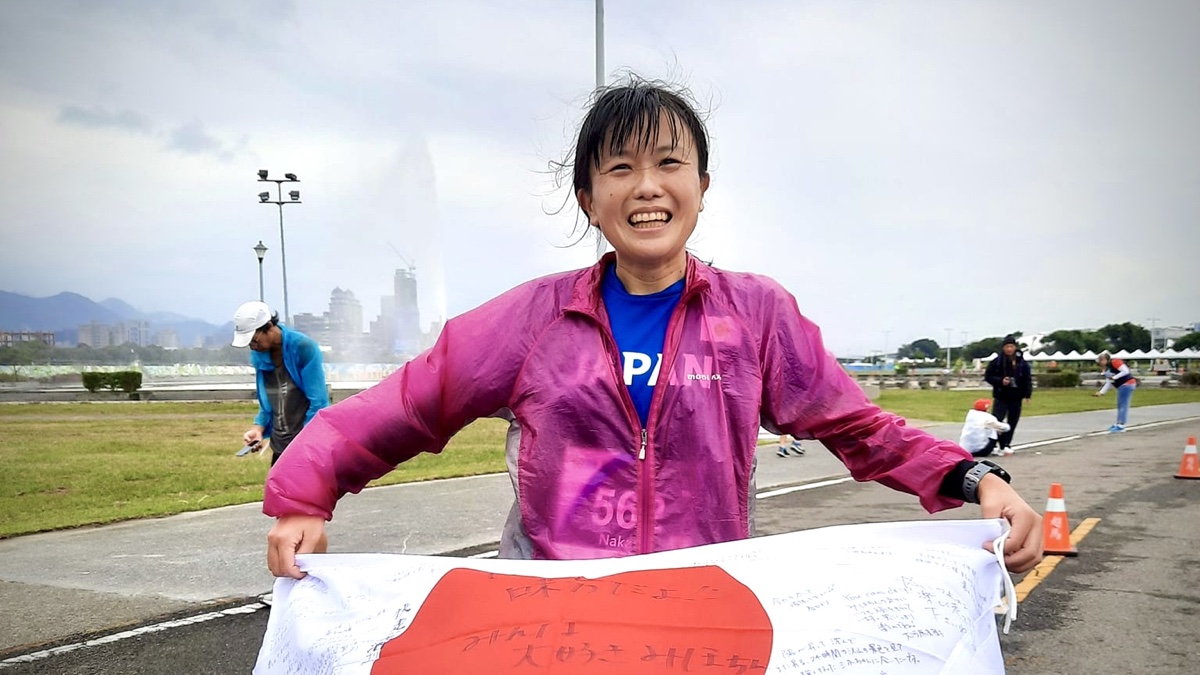
The reigning champions, Aleksandr Sorokin and Miho Nakata, will defend their titles and showcase their remarkable endurance capabilities, exemplifying how meticulous training plans and strategic pacing can lead to breakthrough performances. Sorokin holds the current world record for the 24-hour distance, having covered 319.614 kilometers, while Nakata recently established the women’s record at 270.363 kilometers. Their preparations leading up to the championships promise not only intense competition but insights into how elite athletes manage their training blocks and recovery periods in the lead-up to significant races.
The IAU competition has seen a remarkable evolution since its inception in 2001. This upcoming iteration boasts a record 397 entries from various national federations, a significant increase from previous years, thereby amplifying the competitive landscape. As ultrarunners gear up for this championship, the sheer diversity of talent and strategies on display could inform a wide spectrum of pacing, nutrition management, and mental resilience taught among athletes training for mountain ultras.
Specifically relevant to those preparing for challenging mountain races is the importance of consistent and adaptive training, which often comprises both long, steady-state runs and high-intensity interval sessions. Observing how leaders like Sorokin and Nakata balance these aspects will be critical. Their training regimens likely include a mix of speed work and prolonged endurance training, tailored to simulate race conditions that require both aerobic capacity and strategic pacing.
Nutritional strategies come to the forefront in ultra races, particularly as race conditions vary. Monitoring how elite athletes fuel themselves during 24-hour events can provide insights into optimal hydration and energy replenishment strategies. The unpredictable nature of race day conditions—such as temperature changes, terrain variations, and personal health—affects race execution. As athletes face these challenges, their observed nutrition plans during the world championships can offer tactical guidance for mountain ultra racers. Moreover, given the varied terrain of mountain ultras, considering the practicality and reliability of nutrition products is vital. Choices should be based on personal tolerance and trail conditions, bearing in mind that what works in training might require adjustments in a racing context.
The evolution of gear, specifically in terms of shoe technology and backpack design, is also worth examining for mountain ultra preparation. New developments in lightweight materials can significantly affect reliability and performance during grueling conditions. Athletes in the upcoming IAU championship are likely to sport the latest innovations—whether in cushioning, breathability, or load distribution—all important factors that could influence performance over extended hours. Understanding how to select and adapt gear according to race requirements will be paramount, particularly in mountainous terrain where weight savings translate to prolonged endurance.
As the race nears, insights into race tactics become critical. Attentiveness to pacing in relation to one’s personal limits cannot be overstressed. Observing speakers from previous championships often emphasizes starting conservatively; this serves as a robust strategy in preserving energy over many hours. Analyzing how athletes adjust their pace in response to environmental stimuli and their internal state offers learning opportunities for ultrarunners looking to optimize their race day strategy.
Upcoming entrants include a host of world-class athletes poised to make their mark, such as Holly Ranson from Australia and Fotis Zisimopoulos from Greece. Both of their performances could further diversify the competition landscape and yield strategies worth emulating or integrating into personal training regimens. Ranson’s recent Australian record run underscores the significance of peak performance planning while Zisimopoulos’s Spartan background reflects the adaptability necessary for varying race terrains.
Race day remains crucial in gauging the application of training into performance. Athletes must weigh their strategies—balancing ambition against the physical toll of ultrarunning. This dynamic demands a comprehensive approach to every factor affecting the race, from physical preparedness to mental fortitude. Both aspects must harmonize seamlessly to respond effectively to race dynamics, shifting conditions, and health factors that invariably emerge in ultra races.
In the spirit of competitive preparedness, assimilating lessons from upcoming events into training cycles can facilitate a deeper understanding of race execution. Athletes should remain attentive to the tactical aspects of successful runners while cultivating their training methods, thus enhancing their efficacy in mountain ultras.
Ultimately, ultrarunners should consider the critical takeaway from witnessing the world’s best compete: maintaining a flexible yet disciplined approach to training, nutrition, and pacing can not only enhance performance but become a crucial component of success in achieving personal race goals.
