


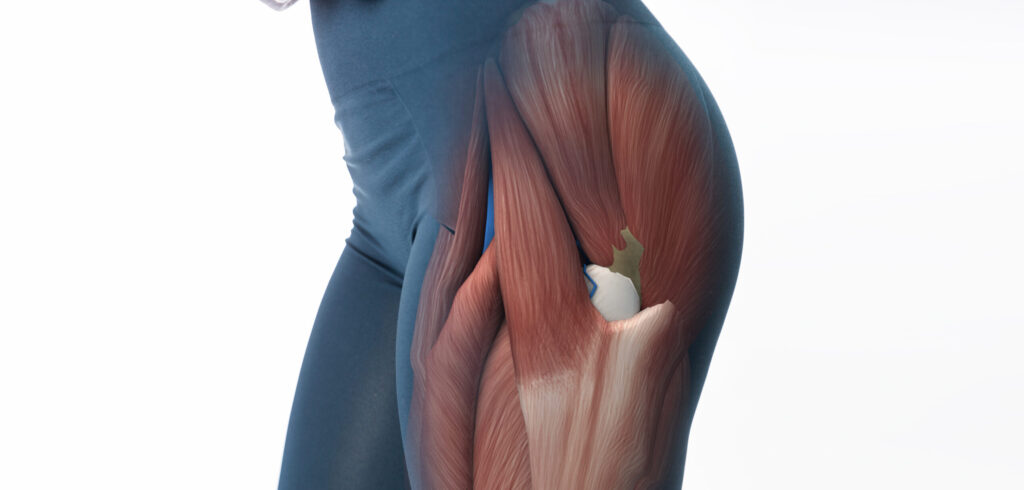
In the world of endurance athletics, particularly for those who engage in long-duration training and racing, the physical and psychological complexities of performance optimization are paramount. One athlete’s experience with hip tendinopathy illuminates several critical aspects that pertain directly to an endurance athlete’s needs, such as nutrition timing, hydration strategies, and recovery optimization.
Consider Jessie, a 51-year-old endurance runner whose rigorous training had led her to impressive levels of fitness and strength. However, despite her diligent efforts, she began to experience a persistent hip pain that evolved from a post-run tightness into a debilitating discomfort affecting her ability to rest and recover. This predicament is not uncommon among endurance athletes who often push their limits while juggling the demands of performance, training volume, and recovery.
For athletes like Jessie, nutrition timing becomes essential, especially when managing physical stress and preventing injury. Consuming adequate carbohydrates and proteins around training sessions can greatly enhance recovery by aiding muscle repair and replenishing glycogen stores. Research supports a protein intake of approximately 20-25 grams post-workout, alongside a source of carbohydrates to facilitate recovery. This is not only about immediate recovery but also about the longer-term management of inflammation caused by chronic training loads, which sometimes leads to injuries like tendinopathy.
Moreover, gut tolerance is critical in demanding conditions. Endurance athletes often face digestive disturbances, especially during prolonged efforts. This underscores the importance of trialing different fueling strategies in training to identify what optimally supports both performance and gut stability. Intolerance to certain fuels or hydration methods can lead to unnecessary energy depletion and, over time, can complicate recovery.
Hydration plays a similarly crucial role. As endurance athletes know, managing fluid intake effectively can prevent triggering conditions such as muscle cramping or fatigue. Dehydration not only impairs performance but can also delay recovery and increase the likelihood of injury. Maintaining hydration levels consistent with sweat rates and climate conditions requires diligent monitoring and adaptation, particularly in races or training events held in challenging environments.
The concept of metabolic efficiency is another critical facet, particularly as it relates to fueling during long races. Training the body to utilize fat as a primary energy source can spare glycogen stores, allowing athletes to maintain performance over extended periods. Utilization of low-intensity training sessions at optimal fat-burning zones can train the musculoskeletal and metabolic systems to adapt more efficiently, ultimately leading to enhanced performance over time.
Supplementation is another area where informed choices can make a difference, particularly when addressing specific deficiencies that can impede performance or recovery. For example, omega-3 fatty acids have been noted for their anti-inflammatory properties, while vitamin D can play a role in muscle function and bone health. For athletes who train with high frequency but may not receive adequate nutrients from their diets, these supplements can contribute positively to their overall well-being and performance capacity.
As for Jessie, integrating these approaches effectively into her rehabilitation from gluteal tendinopathy became a matter of strategic planning. The focus was not just on restoring her performance levels but also on gradually reintroducing movements in a way that minimized emotional and physical stress. This highlights an essential takeaway for endurance athletes: creating a long-term training plan that acknowledges both physical recovery and mental resilience can significantly enhance performance outcomes.
The relationship between training volume, nutritional strategies, and recovery practices is intertwined and complex. After a period of smart loading and gradual reintegration of specific strength and endurance exercises, Jessie was able to regain her previous levels of activity and confidence. The process demonstrated that recovery is not merely about rest but involves an intelligent approach to nutrition, hydration, and exercise—considering both the physiological and psychological components that contribute to an athlete’s journey.
Thus, one concrete action that endurance athletes can apply to their training is to develop and maintain a structured plan focused on nutrition timing and gut health optimization tailored to their individual training cycles. By ensuring that they fine-tune their dietary intake to support both immediate performance needs and long-term metabolic efficiency, athletes can enhance their resilience to injury and improve their overall performance capacity in races and training sessions in challenging conditions.
