


For seasoned endurance athletes, the realm of performance often dances delicately between the thrill of personal bests and the sobering reality of potential setbacks. An essential yet often underestimated aspect contributing to this balance is movement efficiency. This concept is particularly relevant for those engaged in relentless pursuits like running, cycling, and swimming—activities that demand both physical resilience and mental fortitude.
Jennifer Crisson is one athlete who embodies the intricacies of this journey. Eight years ago, she faced a significant challenge with her ACL injury. Yet, rather than solely viewing her physical therapy as a rehabilitation tool, she came to perceive it as a continuous investment in her and her family’s active lifestyle. For her, physical therapy transcends the stigma of being merely a response to injury. It serves as a platform for maintenance and improvement, a proactive strategy designed to fend off the very injuries that can sideline even the most experienced athletes. She understands that the road to performance is long and winding; it’s about constantly recalibrating oneself to avoid falling into patterns that could lead to injury.
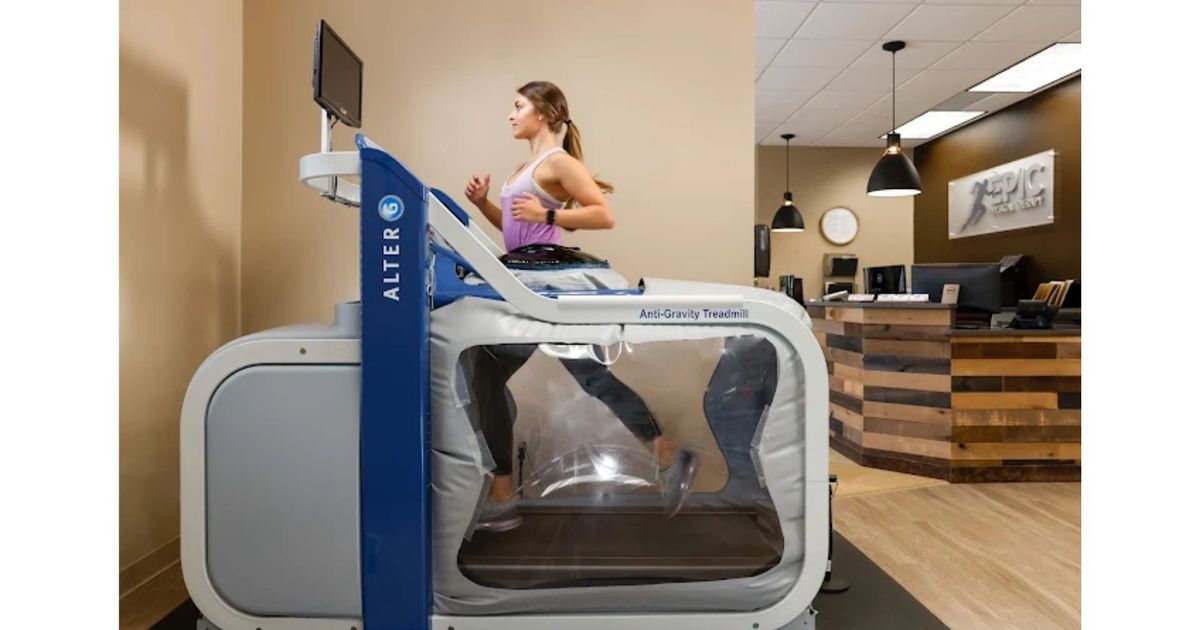
At EPIC Physical Therapy, the approach shifts the narrative about what physical therapy encompasses. It’s about enhancing how we move, how efficiently we engage with our bodies during training. Each athlete is assessed for their biomechanics—often highlighting minute inefficiencies in movement that, if left unaddressed, could spiral into something more significant. This process is not merely about identifying weaknesses; it’s about understanding the dynamics of movement, about fine-tuning the body’s mechanics to withstand the rigors of endurance sports.
Athletes often carry an innate understanding of their bodies forged through countless miles and hours of training. Yet, despite this, inefficiencies can creep in, often unnoticed until their manifestations emerge as nagging pain or discomfort. By attending to these inefficiencies early, a skilled physical therapist can provide corrective strategies that allow for smoother, more efficient movement patterns. This insight is a reminder that the most experienced among us can always learn more about ourselves.
The personalized approach taken at EPIC embraces this nuance. When a biomechanical issue is identified, tailored interventions—a mix of strength and mobility programs—are crafted specifically for the athlete. This is not a one-size-fits-all model; it acknowledges that each athlete’s journey is unique. By focusing on the core and lower extremities, the sessions aim to fortify the very muscles that demand endurance during long events. What sets this approach apart is its recognition of how essential these underlying muscle groups are; they are not simply ancillary to endurance but foundational.
Resilience in endurance sports is cultivated not just through physical training but through the ongoing reinforcement of learned behaviors. The process includes regular reassessment, ensuring that the techniques and habits instilled during sessions become ingrained. This practice underscores an important reality for athletes: improvement in movement is not static. It requires ongoing commitment, a willingness to adjust and refine even after achieving a certain level of performance.
The staff at EPIC isn’t merely voicing clinical theories; they bring to the table their own personal experiences in sport, weaving a shared understanding of the athlete’s journey. Their passion resonates through each interaction, suggesting that they not only teach but empower athletes to embrace their individual journeys. This inherent understanding transforms the environment from a sterile clinic into a supportive community, where challenges are collectively acknowledged and understood.
The conversations extend beyond physicality. Engagement with the nuances of recovery, nutrition, sleep, and mental health interlaces with physical therapy, revealing a holistic view of an athlete’s health. Acknowledging that endurance isn’t solely about racing against time or distance provides a broader framework within which athletes can thrive. This comprehensive perspective invites athletes to consider their overall lifestyle—an essential component that influences recovery and performance.
This journey isn’t about avoiding struggle; rather, it’s about navigating it with intention. Athletes consistently face hurdles, be it injuries, fatigue, or life’s unpredictability. The resilience built along this path informs not just racing strategies but also mindset during long training sessions. The tenacity to push past discomfort, to adapt in the face of limitations—a quality that seasoned endurance athletes develop through experience—allows them to embrace the unexpected, even in challenging times.
As we move forward, it’s essential to remember that enduring performance is less about a single moment of glory and more about a series of calculated decisions made over months and years. Each workout, each session steeped in purpose builds a narrative of endurance, marking progress through persistence rather than sheer speed.
So, as you gear up for your next long session, consider the lessons embedded in movement efficiency. Reflect on how small adjustments in your biomechanics and a dedicated approach to physical care can pave the way for lasting performance. In this ever-evolving journey of endurance, it’s the steady, mindful approach that often yields the most profound results. Carry this with you: the road ahead is not just about the finish line but also about the mindful strides you take along the way.
