


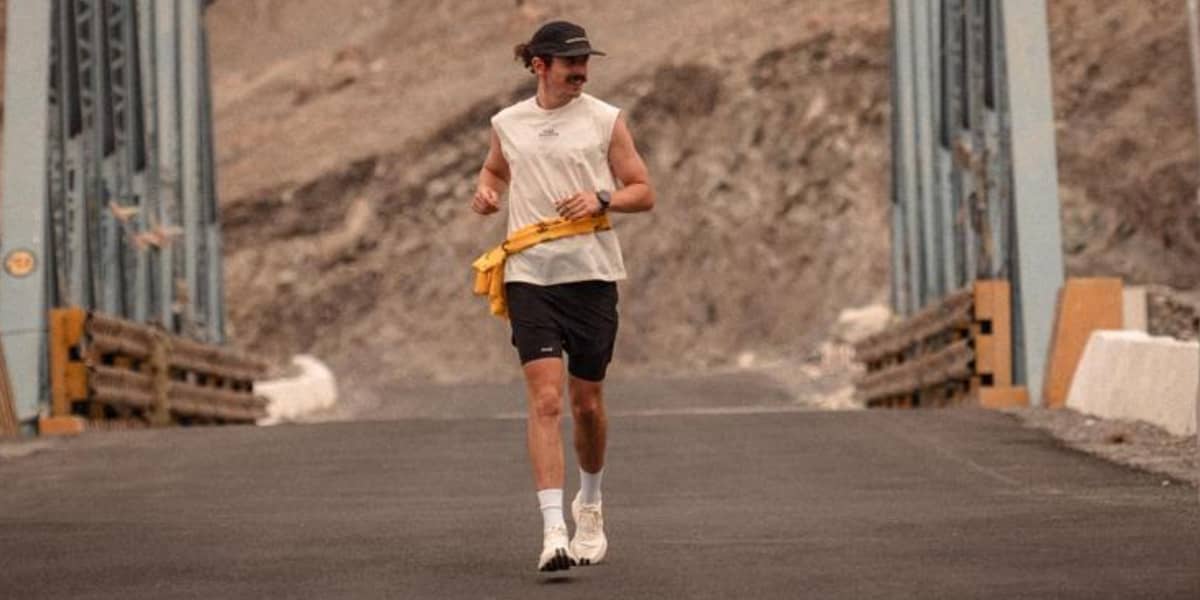
Jack Faint, a 30-something ultrarunner from the UK, embodies a profound understanding of the intertwining complexities of endurance sports and the human spirit. Diagnosed with an incurable brain tumor at 25, Jack chose not to shy away from his condition but instead embraced a path that many would deem extreme: a year-long journey across South America and India, culminating in a monumental run from the Siachen Glacier to Kanyakumari—3,788.9 kilometers—over 74 days.
This undertaking was more than just a physical challenge; it was a manifestation of his evolving relationship with adversity. Endurance athletes often find that the journey is marked by its unpredictable nature—a familiar terrain where physical limits meet the mental resilience required to push through pain, fatigue, and doubts. For Jack, this run was the culmination of years spent developing that resilience.
Training for such a monumental endeavor requires an intricate balance of physical preparation and mental fortitude. Jack committed hours each week not only to the physical demands of running but also to cultivating a mindset that would support him through the inevitable challenges. He leaned into meditation techniques he had acquired during earlier visits to India, which provided him with tools to manage his thoughts and emotions. This was crucial, as the mental aspect of ultrarunning often proves to be just as, if not more, important than the physical component.
Jack’s preparation included a trial run in South Africa, where he ran 50 kilometers a day for 14 days. This test was instrumental, as it informed his approach for the longer run through India. Understanding that pacing, nutrition, and recovery were vital to success, he enlisted a team to support these aspects. Their roles were methodically assigned, mirroring a sense of community that is particularly crucial in endurance settings. Each team member contributed to Jack’s ability to focus on the run itself, allowing him to navigate the physical grueling aspects of his journey while remaining grounded in the present.
His connection with the Indian landscape and its people added further layers to his experience. Engaging in community activities, running alongside local enthusiasts, and experiencing the local culture enriched his journey much like how athletes often find strength in community during races. While the physical terrain tested his body—particularly the challenges posed by the Himalayas—each interaction with the people added to his emotional resilience. They encouraged him, shared in his story, and mirrored a communal attitude that endurance athletes often cultivate in their training environments.
Jack spoke of many difficulties but emphasized the opportunity each provided for growth. When he faced minor injuries, it was his meticulous recovery routines, akin to those recommended to elite athletes, that allowed him to rebound swiftly. Understanding the way the body adapts became a vital part of his narrative. His experience illustrates that the path to achieving any significant endurance goal involves learning to listen to one’s body, adjusting as necessary, and prioritizing recovery to ensure sustainability through long distances.
The rigor of his daily routine began before dawn. He’d often rise at 5 a.m., allowing for an early start that provided a sense of control and preparation—both paramount qualities for longevity in endurance sports. His nutrition strategy was straightforward yet effective, embracing simple, high-calorie options that he could digest efficiently while on the move. Dynamic refueling every few kilometers kept him energized without overwhelming his system, much like how seasoned athletes adjust their calorie intake to sustain performance.
Moreover, his candid acknowledgment of navigating mental health challenges—depression and anxiety—illustrates another aspect relatable to many endurance athletes. Adversity, both physical and mental, is a universal experience in the endurance community. Jack’s authentic approach to these struggles resonates deeply; it serves as a reminder that resilience isn’t simply about overcoming physical barriers but also about acknowledging the internal dialogues that often accompany such journeys. His evolved mindset emphasizes gratitude and presence, which are foundations for resilience.
Engaging with the journey became far more significant than mere completion. His reflections on the understanding that life is finite shaped his actions and choices daily. As he articulated, many people exist without recognizing this reality, but the acute awareness that Jack developed from his diagnosis allowed him to define his purpose clearly. The realization that gratitude and joy can coexist alongside adversity reframes the mindset for endurance athletes, intentionally shifting focus from mere survival to thriving in the face of challenges.
While Jack’s physical journey exemplifies endurance on a grand scale, the undercurrents of emotional and mental resilience weave through every aspect of his narrative. His capacity to take risks, face challenges, and adapt to the harshest of conditions offers rich insight for fellow endurance athletes. His experience serves as a reminder that limitations often reside within our minds; anyone, regardless of their circumstances, can aspire to push their boundaries further than they believed possible.
As you head into your next long training session, remember that resilience is cultivated through understanding both your physical limits and mental capabilities. Every step, every challenge, and every moment spent in gratitude not only transports you towards your goal but also deepens your connection to the journey itself. Embrace each facet of your experience; they’ll fuel your capacity to endure, grow, and thrive.
