


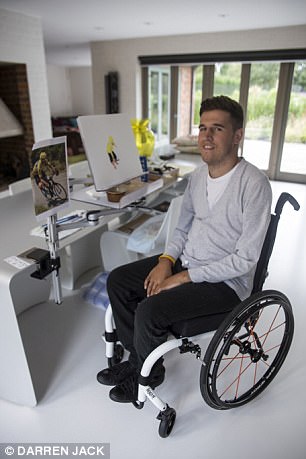
Henry Fraser’s journey of recovery after a life-altering injury speaks profoundly to the endurance athlete’s heart and mind. At 17, a vibrant young rugby player, Henry’s life was thrust into turmoil when a diving accident left him paralyzed. Yet, through his experience, he unearths lessons that reflect the resilience required of those who push their physical limits, not just in recovery from injury, but in everyday training and competitions.
Upon moving to St Andrew Ward, Henry’s first impression was of light—an essential element often taken for granted, yet crucial for recovery. Such moments echo the way an athlete feels when stepping into the sun after days of training indoors. It is a reminder of the simple joys that can elevate the spirit, especially when morale dips during a long training cycle or in the face of adversity.
The hospital room, once a solitary space, now held another patient, Dan, who shared a similar struggle. This relationship highlighted a key aspect of endurance—community. Just as endurance athletes often find strength and motivation in the comradery of training partners, Henry experienced a shift in perspective through Dan’s story. Engaging with others navigating their own battles can reframe our mental landscape; it cultivates gratitude and reminds us that challenges are often shared, not faced alone.
That initial connection with the outside world ignited a profound sense of gratitude within Henry—one that resonates deeply with the endurance community. Each step forward, however small, became a testament to resilience. Like a long run that feels grueling yet transformative with every mile, Henry began to appreciate the nuances of existence; fresh air, sunlight, the warmth of companionship. This mindset shift is akin to the mental resets endurance athletes experience during grueling races: pushing through fatigue to rediscover joy in movement and the scenery surrounding them.
With each passing day, Henry faced not just physical barriers but the mental blocks built up from his condition. He dedicated time to physiotherapy, recognizing the importance of the smallest victories—learning to swallow a biscuit or breathing independently. Each triumph reflected the incremental progress every athlete yearns for during the long road back from injury or fatigue. The key is to focus not on the distance still to cover, but rather to acknowledge the steps already taken. Training and recovery alike are journeys of patience, discipline, and unwavering commitment.
Henry’s experiences were fraught with challenges that tested limits—the struggle with a feeding tube, the terror of feeling marginalized by his condition, and the emotional turbulence following his reflection in the glass doors of the hospital. Yet, within those struggles lay profound insights into performance and mental fortitude. Just as athletes may grapple with the fatigue or doubts that accompany ultramarathons or long-distance training, Henry grappled with his own version of exhaustion, realizing that self-pity would serve little purpose. Instead, he learned to embrace his situation, drawing strength from what remained rather than what was lost.
Henry’s shift towards a mindset filled with resolve resonates with anyone who has faced adversity in their pursuits. The journey isn’t merely about the physical; it involves mental recalibration, understanding that every setback contains the seeds of potential growth. As he adapted to his new circumstances—relearning to breathe, to eat, to communicate—he exemplified the kind of resilience necessary in endurance sports: the persistent belief in personal progress, however insignificant it may seem at the time.
In the hospital, when he first broke out of his comfort zone to engage with the world, it was akin to an athlete stepping toe-to-toe with a new challenge. There’s fear, uncertainty, but also an undeniable thrill in pushing beyond familiar boundaries. The fundamental truth that underpins both recovery and endurance training is the acceptance that discomfort is part of the growth process. There will be moments in any long endeavor—whether it’s running, cycling, or simply enduring through difficult cycles of life—when facing the unknown is as essential as embracing the journey itself.
Ultimately, Henry’s story isn’t just about overcoming a struggle; it is a reflection on the complexities of growth through adversity. For athletes, the takeaway lies in the endurance of the mind as much as the body. Every training session, every competition, demands a willingness to confront discomfort, to reflect, and learn. Much like Henry’s newfound appreciation for nature and simple pleasures, athletes can cultivate gratitude to fuel their motivation during the tougher moments.
As you lace up for your next long session, remember that resilience isn’t merely about the end goal. It’s fostered in the quiet moments of perseverance, in small victories, and in the shared experience with others along the journey. It is the understanding that every trial encountered on the path is integral to becoming stronger, shaping you not just as an athlete, but as a person. Embrace the nuances of your experience; every breath taken—every step forward—contributes to the richness of your journey.
