


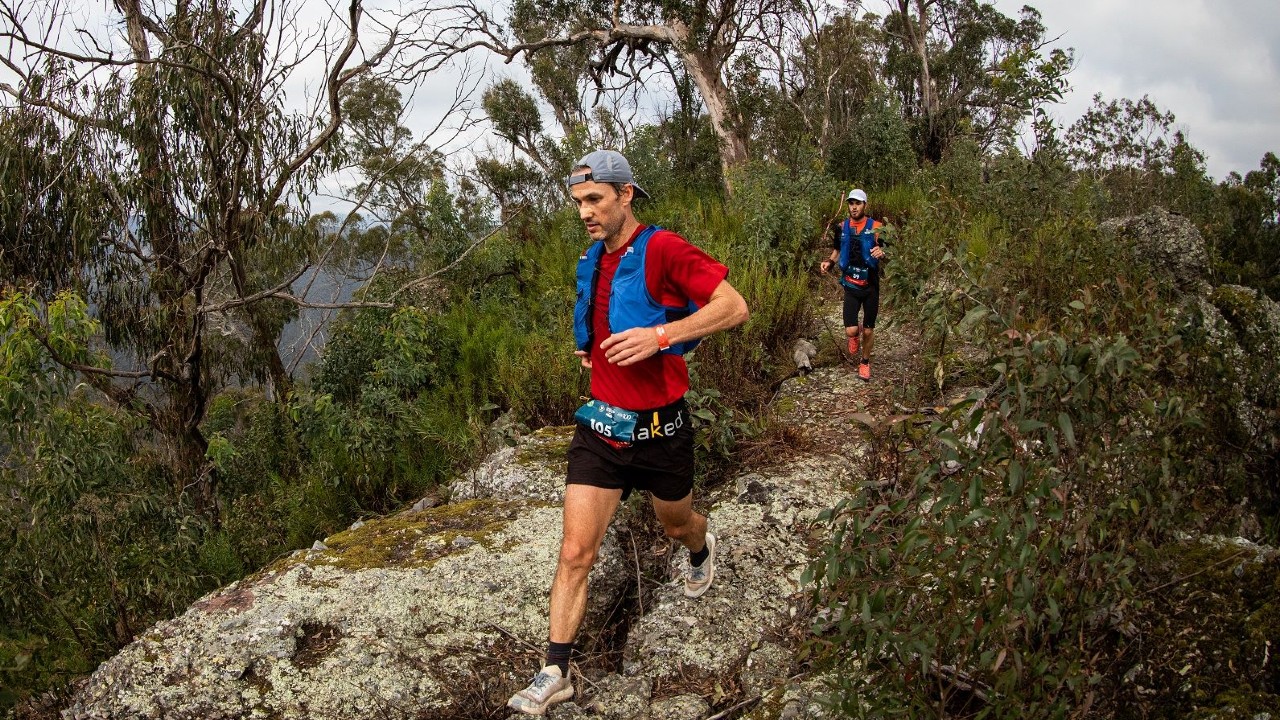
Trail runners from across the globe will gather in Australia’s alpine region this week for the fourth edition of the Ultra-Trail Kosciuszko by UTMB, set to take place from November 27 to November 29. This year’s event features more than 3,400 participants across varied distances: 100 miles, 100 kilometers, 50 kilometers, and 30 kilometers. Given the challenging terrain that characterizes this region, athletes will need to carefully strategize their race plans to balance pace with endurance management.
Among the standout events is the KosciMiler, where participants tackle over 160 kilometers of rugged trails beginning early Friday morning in Jindabyne and finishing in Thredbo. This distance demands nuanced pacing, especially considering the mountainous elevation profiles that require an understanding of terrain-specific dynamics. For experienced runners, optimizing energy expenditure in the face of steep climbs and potential technical sections will be essential.
Women’s front-runner Stephanie Auston, a seasoned competitor, will return to the KosciMiler after finishing second in the previous two editions. Her preparation this year, highlighted by her victories in shorter events, places her in a favorable position for a strong performance. She emphasizes both mental readiness and terrain familiarity, indicating a strategy that balances aggressive pacing with strategic fatigue management. This approach will allow her to gauge her limits while ensuring her support crew has manageable conditions without prolonged exposure to the elements.
On the men’s side, Mike Carroll stands out as the top-ranked competitor. His intimate knowledge of the Snowy Mountains, combined with recent success in shorter race formats, could lead to effective pacing and energy distribution across the ultra distance. Carroll’s experiences from previous races, particularly his reflections on race management under varying conditions, signal a conscious tactical approach. He mentions the importance of maintaining adaptability throughout the race, an insight that resonates well in ultrarunning strategy, where conditions can shift rapidly and unpredictably. Maintaining composure while adapting to dynamic conditions could enable runners like Carroll to leverage their familiarity with the terrain to achieve optimal results.
The Kosci100 will also unfold simultaneously, starting from Perisher and concluding in Thredbo. Notably, Sophie Broome returns after a podium finish last year. Her emphasis on race execution and adaptability underscores the significance of staying present during taxing segments. For racers aiming for UTMB qualifying points, understanding the specific demands of the Kosci100 course can be a game-changer. Broome’s focus on experience and discipline, rather than solely on outcomes, showcases an insightful approach to race performance, particularly in executing race-specific strategies that suit individual strengths.
The Kosci50 promises more competitive racing, with both men’s and women’s fields featuring a mix of local and international talents. Andrea Kolbeinsdottir from Iceland races on Australian soil for the first time, bringing with her a strong domestic performance record. Runners are advised to consider their acclimatization strategies, especially when navigating courses at higher elevations. Those underestimating the impact of altitude on pace and endurance may find themselves struggling later in the race.
In parallel, participants like Juliette Soule bring insights from high-level international races, contributing to the depth of competition. Her experiences at the CCC in the UTMB series carry valuable lessons on the importance of both physical preparation and mental fortitude. Runners must reflect on how experiences from diverse race formats can inform their racing strategies, especially when considering pacing over technical courses where terrain variability requires keen attention to changes in effort.
In the male category of Kosci50, high experience levels and past successes will create a challenging environment for newcomers. Michael Diumantes aims for a strong performance after shifting focus back to longer distances. This transition highlights the tactical importance of returning to endurance racing after specializing in shorter formats. For existing ultra athletes, mastering the nuances of pacing in an ultra-event requires targeted preparation that equally stresses speed and endurance. Diumantes’s approach reflects the significance of course understanding and intrinsic motivation, pivotal factors that often distinguish successful runs.
As racers prepare for the Ultra-Trail Kosciuszko, attention should be devoted not only to physical training but also to strategic execution. Optimal performance requires competitors to understand their limits while anticipating race dynamics such as elevation changes, weather variations, and competitor strategies. The varied course profiles across the distances signal the need for different pacing strategies, with an emphasis on conserving energy early on to maintain sufficient reserves for the later stages of the race.
Ultimately, the critical takeaway for experienced ultrarunners participating in mountain races is the importance of a balanced approach to pacing: anticipate, adapt, and adjust based on unfolding race conditions and individual performance metrics. As terrain, weather, and competitive pressures shift, the most successful athletes will navigate these elements with a keen sense of strategy and situational awareness.
