


In July 2010, Mark Pollock faced a tremendous challenge along the banks of the Thames, during what was meant to be a celebration of camaraderie and competition at the Royal Regatta. A sudden accident left him with significant spinal and brain injuries, a harsh turn in a life already marked by adversity. Prior to that moment, Mark had not only survived the onset of blindness in 1998 but had also thrived, achieving remarkable feats in endurance sports. Competing in ultra-endurance races across deserts, traversing mountains and polar ice caps, he carved a path that blurred the lines between possibility and impossibility.
The resilience that propelled Mark through various challenges now faced a new test. As he approached the window, confused and disoriented, he fell, leading to a change in his physical abilities that would force him to redefine his athletic identity. His injury did not come without a deep understanding of risks and responsibilities. Despite everything, Mark chose to limit his damages claim to the confines of his friends’ insurance policy. This decision was a profound reflection of his character, redirecting a potentially contentious legal battle toward a more amicable resolution, knowing his friends would carry no personal burden from the ordeal.
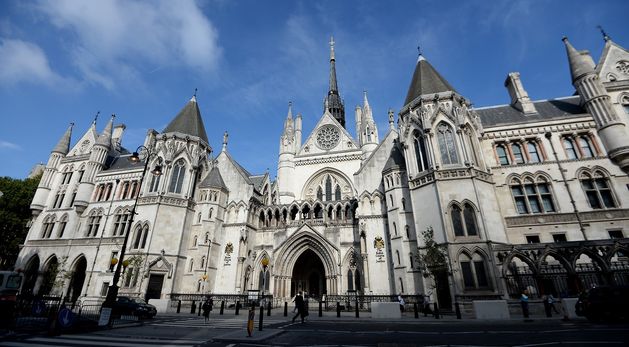
In his subsequent legal proceedings, the focus shifted to liability rather than his achievements, yet it was hard to separate the two. The courtroom became a space to reflect on what it means to redefine athleticism. The judge acknowledged that for anyone, Mark’s athletic accomplishments would be noteworthy on their own, but in the context of someone who had faced profound challenges like blindness, they were even more impressive. This recognition goes beyond mere accolades; it underscores the mental training and unyielding spirit inherent in endurance athletes. Osler stated, “The events of 2010 have meant that Mr. Pollock no longer can undertake the athletic challenges of which he was capable before his fall.” Yet even amid the loss of one form of agility, a mental framework of adaptability and tenacity emerged.
Mark had spent years building a mindset that embraced discomfort, understood pacing in both physical and mental realms, and adapted training to find strength in adversity. Here he was again—faced with a physical limitation not out of choice, but circumstance—forcing a recalibration of his approach to challenge. This isn’t merely about passion or relentless pursuit; it’s about understanding the essence of resilience—training not just the body but also the mind to embrace the unknown.
As he reevaluated his relationship with his physical self, Mark also explored a frontier seldom traversed by athletes: the intersection of technology and rehabilitation. His exploration of robotic legs, spinal electrical stimulation, and innovative pharmacology symbolizes more than a search for personal enhancement; it’s a journey forged in community. The Mark Pollock Trust serves a dual purpose: not only does it aim to connect individuals facing similar challenges, but it also emphasizes the value of shared knowledge and support—the backbone of the endurance community.
In the end, endurance is a practice steeped in both individual grit and communal support. As athletes, we know that the road is rarely linear; the most potent races are often mental as much as they are physical. Mark’s experience reminds us that every setback can serve as an opportunity to recalibrate, whether it’s during a challenging race or in the wake of life-altering events. As we lace up for our next long session, remember that learning to adapt, to listen to our bodies, and to find community in our shared journeys is just as critical as crossing any finish line. Embrace that lesson, and let it shape your training and mindset as you continue to navigate the unpredictable paths of endurance.
