


The upcoming second weekend of December offers a diverse range of ultramarathon events throughout the United States, a critical time for many seasoned trail runners to fine-tune their race strategies as they prepare for the more competitive seasons ahead. The calendar encompasses a total of 29 races across various terrains and distances, featuring events that cater to the nuanced needs of experienced runners who often navigate both the physical and psychological demands of ultra racing.
Among the highlighted races is the postponed Deception Pass 50k, which traditionally attracts runners who appreciate the rugged beauty of the Pacific Northwest. Set within the Deception Pass State Park, this course features an array of technical trails characterized by slick footing, sharp ascents, and descents totaling over 4,300 feet of elevation change. Participants typically face a defined course that loops across both Whidbey and Fidalgo Islands, challenging even the most adept ultrarunners with its combination of natural obstacles and geographical variance. With the race start set at 8 a.m., early starters embark at 7 a.m., a tactical consideration for those looking to finish before the gates close at 3:30 p.m. Post-race events like the Rainshadow Running’s party, featuring local cuisine and craft beverages, serve as a valuable recovery opportunity and community engagement.
In the Midwest, the inaugural Frosty Buck Trail Race in Glenmont, Ohio is scheduled to offer seasoned competitors a new 50k option on familiar terrain. Drawing on the existing routes of the Bob’s Big Timber Backyard Ultra, the established loops will not only test physical limits but also challenge pacing strategies as runners will need to effectively navigate their energy reserves through multiple laps. Each competitor has eight hours to complete their distance, a significant window that emphasizes the need for a strategic pace management system, especially considering the dual 25k and 50k options available.
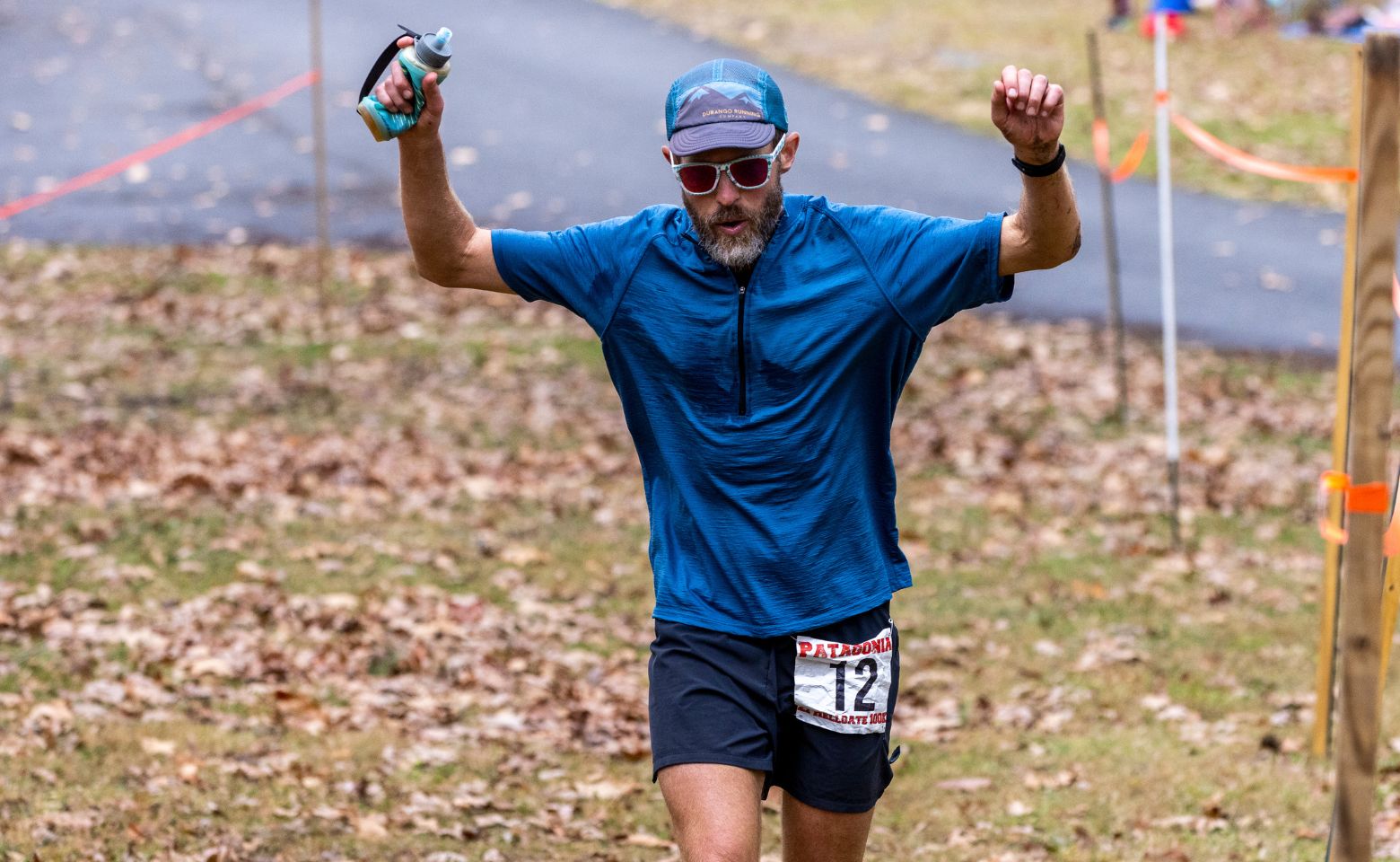
Transitioning to the South, the Hellgate 100k in Virginia stands as one of the more formidable races on the December calendar. Renowned for its arduous demands, this course features approximately 13,000 feet of vertical gain over a distance that exceeds traditional ultramarathon formats. The race starts at midnight, taking advantage of cooler night temperatures, but this also presents logistical challenges regarding nutrition and hydration strategies in the dark. The selective application process advantages athletes who have previously completed demanding ultramarathons, and runners must remain cognizant of their pacing, especially during the initial climbs which can set the tone for the entire race. Successfully navigating these early kilometers can be pivotal for establishing a sustainable rhythm that will carry through the wilderness of the Blue Ridge Mountains, marked by remote trails and variable winter weather.
At the same time, a less conventional event, Naked Nick, is drawing attention in Leesport, Pennsylvania. This race emphasizes minimalist philosophies with a low fee. The course navigates the picturesque land around Blue Marsh Lake, challenging experienced runners to optimize their navigation skills over two 25k loops. Conditions and course design require strategic planning, particularly in terms of gear selection and energy conservation, as this race prioritizes a classic ultrarunning experience over lavish support features.
As ultrarunners approach these weekend events, gear innovation continues to shape race strategies—lightweight and reliable equipment remains crucial for optimizing performance, especially in technical terrains. The balance between weight, durability, and comfort in footwear can prove critical over long distances, as fatigue management becomes a function of every decision made leading up to and during these races. Participants looking to set new PRs, or perhaps just finish strong, must practice with their chosen gear to ensure familiarity when faced with the race-day environment. Furthermore, nutrient turnover rates—among practiced athletes, the consumption of calories per hour often ranges from 150 to 300, depending on individual tolerances—should be calibrated in training to avoid gastrointestinal issues during competition.
The competitive environment often unfolds with pre-race strategies being crucial. Athletes must remain informed about potential course changes or race conditions that could impact their pacing or hydration strategies. For instance, recent conversations suggest an ongoing evolution in race management toward more adaptive structures, as climate conditions and terrain considerations become increasingly pivotal in course planning.
Lastly, as runners navigate the varied landscapes of these ultramarathons, attention to nutrition pre-race and during the event can define not only performance but also recovery trajectories post-event. This includes not only the timing of solid versus liquid calories but also strategic choices around electrolytes and hydration to preempt physical distress during the event.
In preparing for these upcoming ultras, runners should keep in mind that success often hinges on the subtle interplay of pacing, gear, nutrition, and adaptability to external factors—sustainable practices that mitigate fatigue while maximizing performance across unpredictable terrains should be the focus for any seasoned ultrarunner. A key takeaway for runners seeking to refine their strategy is the importance of consistent refinement of one’s race plan based on past performances and preparatory experiences, ensuring they enter each race with tailored tactics that align with both their capabilities and the specific challenges of the course ahead.
