


As we approach the end of the year, it’s worth reflecting on some of the latest developments in trail and ultrarunning that could influence your training and race strategies moving forward. Recent events have seen notable performances, challenging conditions, and emerging trends that veterans of the sport might find particularly relevant.
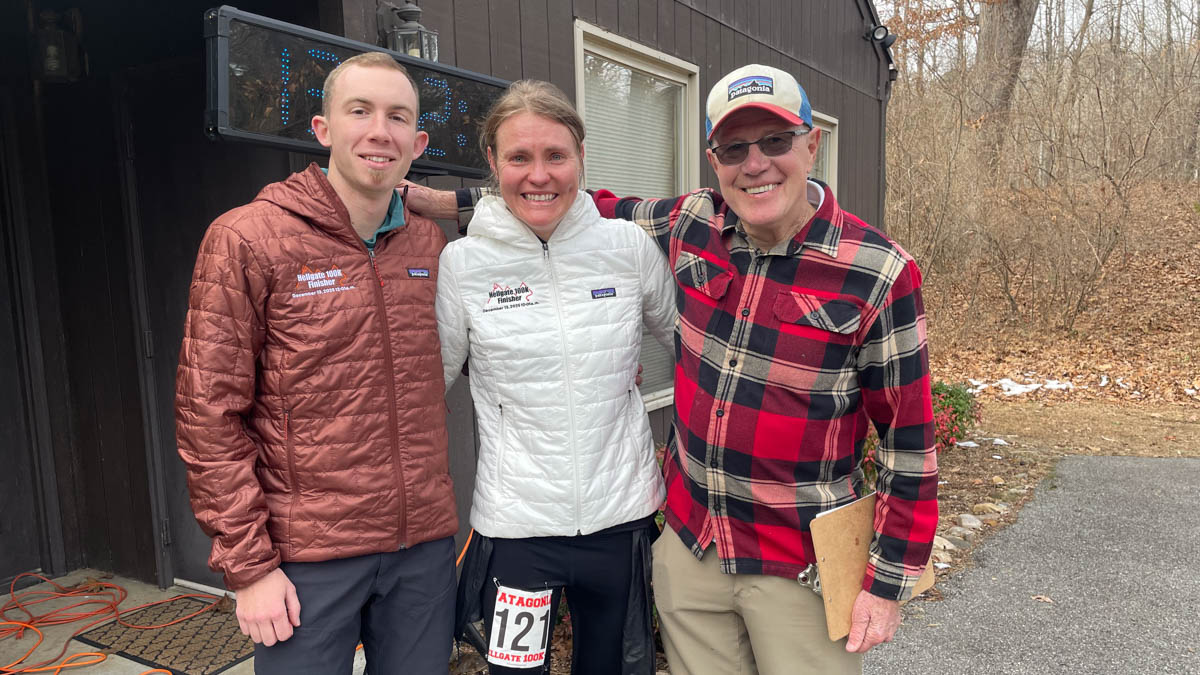
At the Hellgate 100k in Virginia, the course tested athletes with snow-covered trails and sub-freezing temperatures at the start. In such conditions, careful consideration of gear choice becomes paramount for runners looking to maintain performance while minimizing the risk of hypothermia and other cold-related issues. Lexi Delisle’s victory in 13:10 demonstrates that familiarity with the terrain and adaptability in challenging weather can make a significant difference. Additionally, the closely contested women’s race, with less than four minutes separating the top two finishers, underscores the benefits of a well-executed pacing strategy, particularly in long-distance races.
On the men’s side, Brandon Fogarty took the win with an impressive time of 11:10, maintaining a solid lead over second-place Kevin McKenna. The decisions they made regarding hydration, nutrition, and pacing likely played a crucial role in their respective results. Experienced ultrarunners know that these elements require meticulous planning, especially in events where environmental factors can significantly alter race dynamics.
Over in Oman, the Himam Trail Run presented entirely different challenges with an extensive elevation gain of 5,820 meters across its 118-kilometer course. Maite Maiora’s win in 19:02 highlighted the unrelenting demands of high-altitude racing, including the need for proper acclimatization strategies, which many runners often overlook. When racing in mountainous and technical terrain, deploying an effective climbing strategy while managing fatigue becomes essential, as demonstrated by both Maiora and male winner Ahmed Ayyoup.
In the United States, events such as the Frozen Trail Run Fest and Left Nut 50 in Oregon and Rhode Island, respectively, illustrate how variable terrain and distances influence racing tactics. Colette Richter and Kyle Terry capped their respective races in 4:34 and 4:09 at the Frozen Trail Run, while Miranda Gajda and Austin LaBerge showcased their endurance prowess over the 50-mile distance in the Left Nut 50 with times of 8:12 and 7:55, respectively. These results serve as reminders to runners about the importance of pacing and maintaining a steady effort throughout grueling distances.
Doomsday 50k in California highlighted the increasing trend of women outperforming men, with Sylvie Abel capturing the overall victory with a time of 4:37, an indication of the shifting dynamics in competitive racing. Strategies focusing on threshold management and energy conservation, particularly in races with varying terrain and elevation changes, can lead to solid outcomes. Notably, in races where the first three finishers are all women, experienced runners might want to evaluate the significance of tactical decisions around group dynamics and race situational awareness.
As races evolve, the emergence of new events like the Desert Solstice Track Invitational provides opportunities to experiment with pacing and threshold training on a flat track, maximizing potential for fast finishing times. With the event’s limited field focusing on the 100-mile and 24-hour formats, athletes target personal records while competing against the clock rather than directly against their peers. It’s a compelling scenario, especially for ultrarunners looking to improve their times without the variable conditions found on trails.
For those eyeing their future race calendars, the 2026 Skyrunner World Series introduces numerous international events, particularly appealing to mountain ultrarunners seeking both challenge and diversity in terrain. The series spans 19 races across various continents, including substantial races in Argentina, Spain, and the U.S. Participating in such series necessitates adaptation to different altitudes and climates, which can be a game-changer in performance.
As competitive pressure mounts in the ultrarunning scene, it’s essential to remain committed to continuous learning. Techniques such as optimal nutrition, effective hydration strategies, and mental preparation should not be neglected. Drawing insights from recent performances can offer valuable takeaways for training specificity and race execution.
Ultimately, one critical lesson emerges: the intricacies of pacing, environmental adaptation, tactical decision-making, and continuous gear evolution significantly influence performance outcomes in trail and ultrarunning events. Experienced athletes should focus on refining these elements during training, aligning them with race strategies to optimize performance when it counts the most. As you plan your training cycles and race calendars, keep an eye on course conditions and be prepared to adjust your strategies as required.
