


The second weekend of December brought together 27 ultramarathons across North America, a noteworthy convergence for seasoned ultrarunners focused on refining their tactics and building competitive experience. Events unfolded in Virginia, Florida, California, and Texas, illustrating the diverse terrain and conditions present in the ultrarunning calendar. As race results become available, they offer more than just metrics; they present a wealth of insights into performance nuances and race-day strategies that can be vital for athletes preparing for high-stakes competitions.
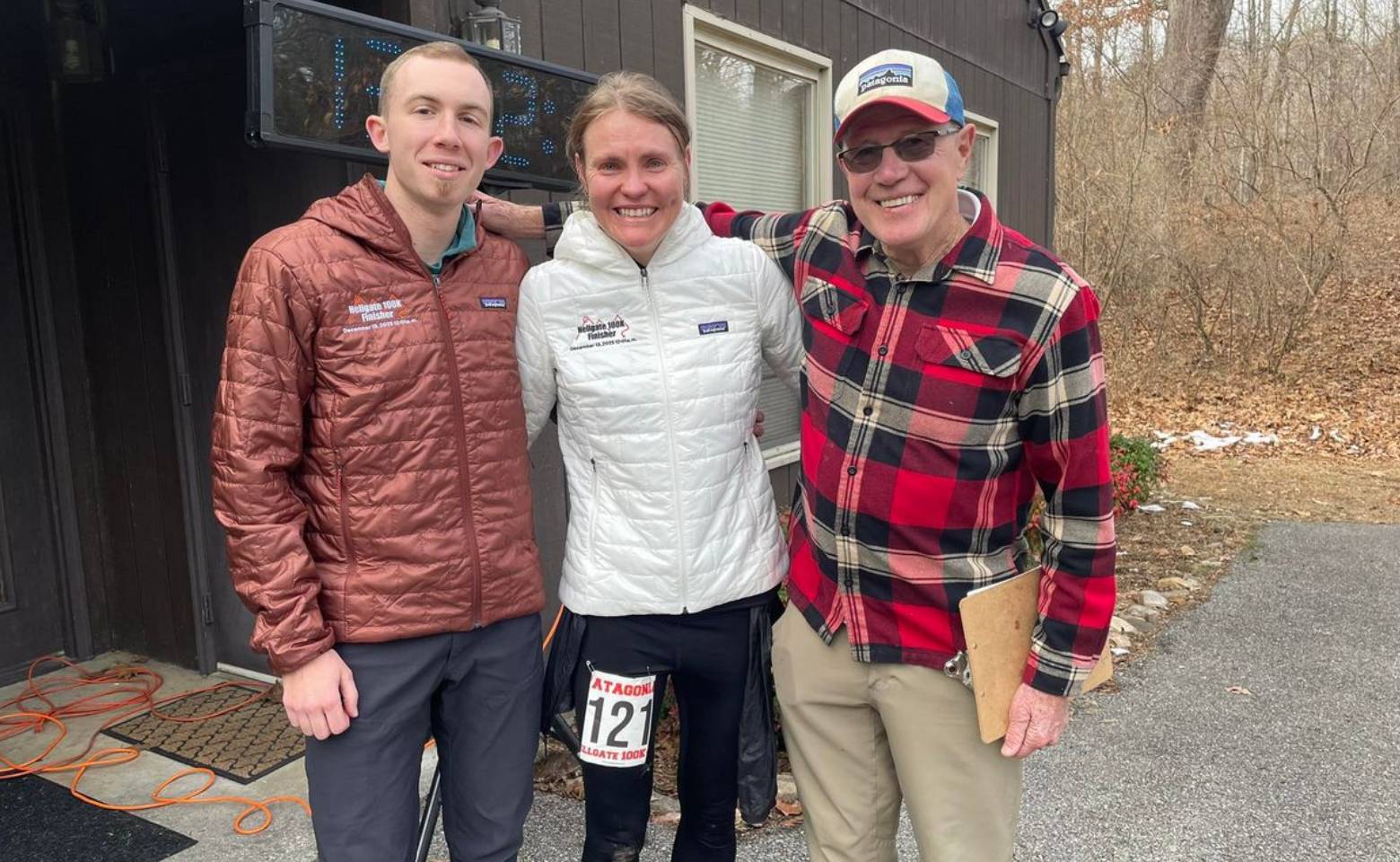
The Hellgate 100k, one of the more challenging winter ultras, revealed the stark realities of racing in harsh conditions. With temperatures plunging and deep snow complicating the course through Virginia’s Blue Ridge Mountains, this race was a litmus test of endurance and tactical acumen. Of the 143 starters, 124 successfully finished, a testament to racers’ strategic pacing and mental fortitude in navigating the demanding environment. Lexi Delisle’s winning time of 13:10:30 showcased not only her physical conditioning but also strategic management of pace, especially given the unyielding terrain and weather. Meanwhile, Brandon Fogarty’s overall male win at 11:10:46 highlighted a quick start that balanced speed with sustainability—a reminder for those eyeing similar mountain races to assess when to take calculated risks on flat stretches versus conserving energy on ascents.
At the Daytona 100, where flat, fast roads characterize the course, tactical decisions shifted. The 100-mile race commenced with 141 runners aiming for a challenging completion within a 31-hour cap. Oliver Bieser and Ivan Penalba Lopez both ran under the previous course record, illustrating the importance of fine-tuning pacing strategies for endurance on pavement, as opposed to trails. Bieser’s striking finish at 13:34:47 underlines the effectiveness of a strong finish strategy, allowing for higher average speeds on previously assessed segments of the race. Similarly, Nicole Coccia’s time of 16:18:55—placing her sixth overall—provides insights into understanding how to leverage speed day to try to stay competitive against a robust field in high-pressure environments.
California’s Doomsday 50k is critical for benchmarking capabilities against both women and men’s performance in the ultrarunning landscape, as three women secured the overall podium with record-breaking times. Sylvie Abel’s dominant finish at 4:37:52 highlights her superior race strategy, optimizing energy use early on to maintain a strong finish. This performance is notable as it reflects an increased focus on pacing among ultrarunners. Completing a course in a time faster than previously recorded signifies a shift in how competitive athletes prepare for race-day conditions, emphasizing the need for fine-tuned training that accurately mimics race scenarios.
The Dallas Marathon 50k contributed to the conversation around race-ready athletes and the importance of preparation tailored to the specific demands of the course. Brianne Cooper’s time of 3:38:42, the second fastest in race history, emphasizes the mental and physical preparation that goes into executing a fast-paced race strategy. Her post-race insights on managing energy levels and pacing could offer valuable lessons for those focusing on similar events. Conversely, Daniel Syring’s record-breaking sub-three-hour finish brings forth discussions on the intricacies of stamina and pacing that seasoned ultrarunners face when tackling varied terrain, particularly in urban settings where factors like elevation and surface transitions may affect performance.
As the race season evolves and more athletes prepare for the forthcoming events, it’s essential to consider implications for the Ultra-Trail du Mont-Blanc (UTMB) qualification landscape as well. Many of the races this weekend serve as qualifiers, offering points that can dictate entry for some of the most prestigious events in the ultrarunning calendar. Runners aiming for UTMB must not only focus on performance metrics but also analyze intricacies in competitor pacing and strategies, especially as they pertain to specific course challenges that will be faced during the race.
Gear innovation also plays a pivotal role. With the introduction of new trail runners and lightweight gear, athletes must remain aware of how equipment choices can impact performance during long-distance races. The balance between weight and reliability can have significant ramifications, particularly in ultra distances. Runners should stay abreast of gear advancements that facilitate enhanced traction or moisture-wicking capabilities, facilitating better performance in diverse conditions and elevations.
Ultimately, the weekend’s races highlighted not only individual performances but also broader trends emerging in ultrarunning. Athletes must adapt continually to climactic and terrain challenges while fine-tuning their strategic approach to pacing and gear choices. As runners embark on their training for the early 2025 racing season, one crucial takeaway is to maintain an adaptable mindset, integrating insights from varying race conditions and performances into their preparations. Understanding personal limits while being informed by others’ strategic decisions can make a significant difference when navigating the complexity of mountain ultras.
