


In the intricate journey of endurance athletics, recovery is often perceived merely as a period of rest. For seasoned athletes, however, it transcends that notion, embodying a nuanced interplay of philosophies, techniques, and intentional practices that cater to both the body and mind. Recovery becomes a vital component of the training cycle, influencing performance and longevity in the sport. Different cultures offer a wealth of methodologies to enhance this critical phase, rooted in diverse conceptualizations of the body, energy, and balance.
Exploring these philosophies enables endurance athletes to incorporate varied approaches into their recovery regimens, refining their physical capabilities and mental fortitude. Western sports science predominantly identifies the body as a complex assembly of anatomical parts—bones, muscles, and nerves. When engaging in traditional techniques like Swedish massage, the focus tends to be on realigning and mending these components, addressing acute injuries, muscle tightness, and joint discomfort. This method is undoubtedly beneficial and produces tangible results, especially when athletes are dealing with the physical wear and tear that comes from extensive training and competition.
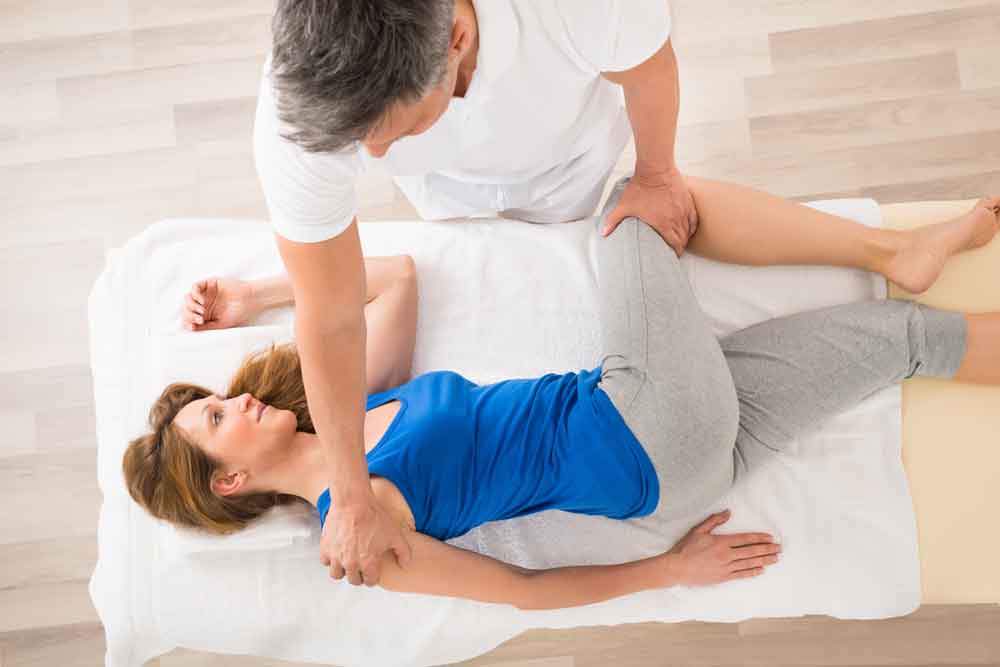
Conversely, Eastern philosophies offer a holistic perspective on the body’s functioning, viewing it as an energetic system where balance and flow are paramount. Techniques such as shiatsu, which integrates principles of acupuncture and Chinese medicine, draw upon the idea of “qi,” or life force, traveling through the body. Practitioners believe that discomfort or fatigue emanates from blocked energy pathways. For the endurance athlete, understanding this can foster a deeper connection to the body. Techniques employed in shiatsu—gentle pressure, stretching, and targeted mobilization—can assist in harmonizing energy levels. This is vital not only for optimal pre-race preparedness but also for rejuvenating an athlete’s spirit after a grueling event.
Each training cycle emphasizes the importance of adaptability. Athletes come to realize that their bodies respond distinctly to various forms of stress, whether environmental, physical, or mental. Engaging in practices like shiatsu during recovery can combat stagnation and encourage fluid movement, allowing athletes to experiment with new ways of connecting with their bodies. It’s about tuning into oneself, recognizing signs of weariness, and responding with mindfulness rather than merely pushing through discomfort.
Similarly, Thai yoga bodywork weaves in elements of traditional Eastern medicine, employing rhythmic movement, assisted postures, and breath control to facilitate both physical repair and mental clarity. The practice not only cultivates flexibility and alignment—cornerstones for any endurance athlete—but also fosters a profound sense of awareness and grounding. This synergy of movement and breath creates a state conducive to recovery, helping athletes mentally transition from the intensity of competition back to normal life. Thai yoga exemplifies how recovery practices can soothe a racing mind and recalibrate one’s focus. It encourages athletes to embrace the process rather than rush it, understanding that yielding to the body’s needs can enhance resilience in future endeavors.
Rolfing is another innovative technique originating from the United States that integrates body awareness with movement education. Rather than simply addressing symptoms, Rolfing explores the intrinsic connection between movement patterns and physical sensations. By focusing on the fascia—the connective tissue enveloping muscles—athletes can experience a newfound sense of body alignment and function. This participatory approach encourages endurance athletes to engage actively in their recovery. This ongoing dialogue with their bodies cultivates an awareness that transcends physical treatment, ultimately enhancing their mental resilience and understanding of how their bodies perform under different conditions.
As endurance athletes, the road often becomes rugged, laden with trials that challenge both physical capabilities and mental barriers. The true essence of endurance lies not only in the pursuit of personal records but also in the deeper understanding of how to navigate peaks and valleys. The awareness gained from recovery practices fosters an adaptive mindset, supporting the recognition that the path to improvement involves listening to one’s body rather than imposing unyielding standards. This journey is less a linear progression and more an intricate dance of ebb and flow, resilience and patience.
Integrating these various recovery practices is more than a mere addition to a training regimen; it enriches an athlete’s experience, blending physicality and mindfulness into a cohesive approach to performance and wellness. Athletes come to recognize that recovery is not an inconvenience but an essential part of the endurance equation. It is within this understanding that one can find strength in vulnerability and power in stillness.
The real takeaway lies in the continuous dialogue between one’s body and mind throughout this journey. Every long session becomes an opportunity to refine this connection, to pace oneself methodically, and respect the need for recovery while pushing limits. Understanding the body’s dynamics informs not just training but the entirety of the endurance athlete’s lifestyle. Each stride runs parallel with the lessons of resilience, reminding us that recovery nourishes the spirit just as much as the body, preserving our love for the sport and, ultimately, our performance on the race course.
