


Track and field athletes often find their achievements overshadowed by the more lucrative realms of sports like tennis and basketball. However, the recent release of Forbes’ 2025 list of the world’s highest-paid female athletes highlighted an inspiring milestone: Sydney McLaughlin-Levrone has secured her spot as one of the elite, tying for 18th place with an estimated income of $8.2 million over the past year.
This remarkable figure showcases the potential for financial success in track and field. Yet, the circumstances surrounding her earnings reveal a deeper issue that athletes in this sport consistently face.
Understanding McLaughlin-Levrone’s Earnings
While $200,000 of McLaughlin-Levrone’s income derived from racing—comprising prize money and appearance fees—the remaining $8 million came from endorsements. This demonstrates a clear imbalance in how athletes from different sports earn their livelihoods.
Track and field garners immense global attention every four years during the Olympics but fails to provide financial stability for athletes outside this timeframe. The 2025 Forbes ranking does not indicate a solution to these ongoing issues but highlights the lengths to which elite athletes must go to ensure financial security in their careers.
The Role of Endorsements
McLaughlin-Levrone is not merely an athlete; her brand transcends the confines of the track. Companies such as Gatorade, Neutrogena, and TAG Heuer support her, recognizing her value beyond traditional competition earnings. Her consistency and reliability have become key factors that make her attractive to brands seeking representation in the sports market.

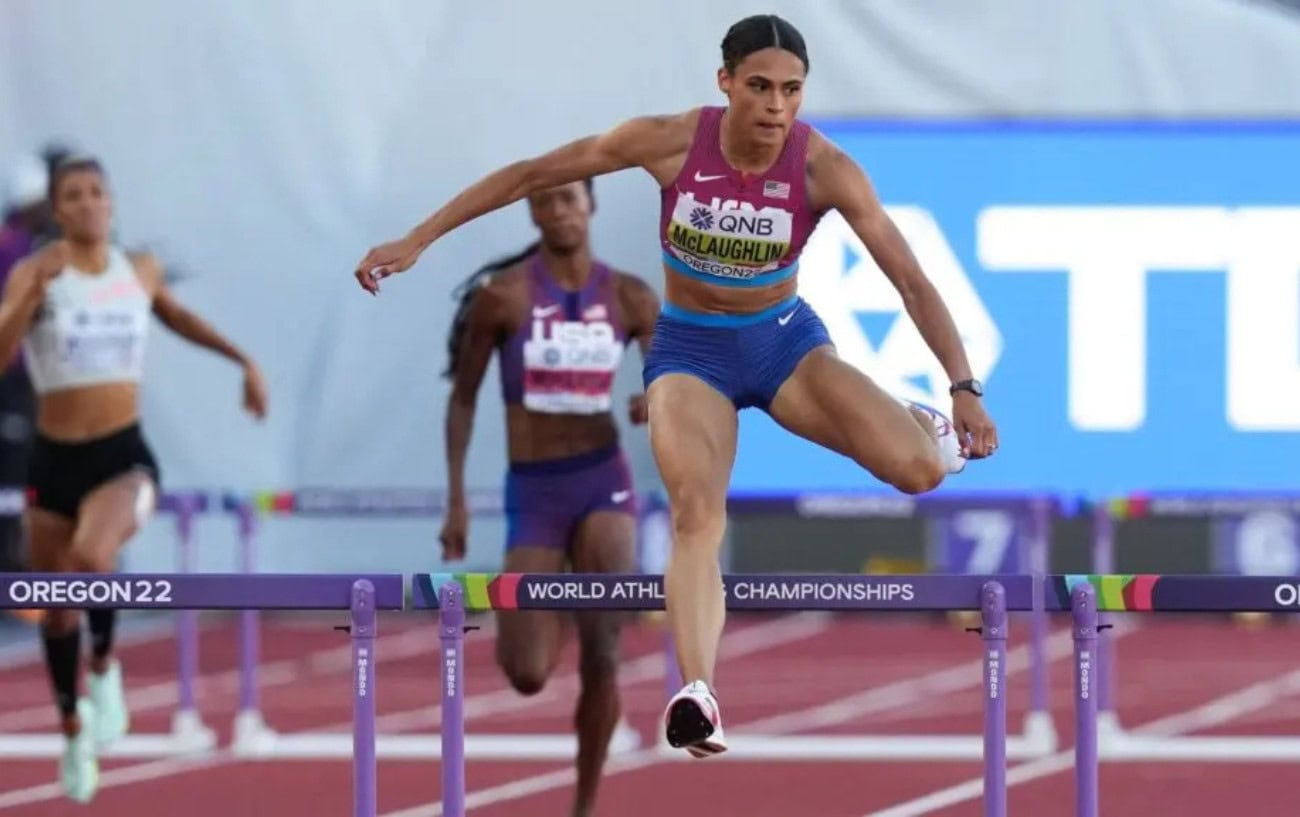
To fully grasp this phenomenon, it is essential to delve into McLaughlin-Levrone’s achievements. She holds the world record in the 400-meter hurdles, a title she has repeatedly defended. In September, she expanded her portfolio by winning gold in the 400 meters, showcasing her versatility. Despite these accolades, her financial earnings from athletics remain starkly low, evidencing a systemic issue within the sport.
The Financial Landscape of Track and Field
Despite her performance, McLaughlin-Levrone’s reported $200,000 in on-track earnings is consistent with the financial structure of track and field; prize money is limited, and appearance fees are often unpredictable. The current economic model within the sport struggles to effectively convert visibility into revenue for its athletes.
The closure of initiatives like Grand Slam Track underscores the challenges athletes face in securing sustainable payouts. As ambitious as new pay models may be, they often fall short due to inadequate economic support mechanisms.
The Significant Pay Gap
When examining the broader economic landscape, a disturbing pay gap emerges. In 2025, the top 20 highest-paid female athletes generated a combined $293 million, compared to their male counterparts, who earned more than $2.3 billion. The stark discrepancy is only further highlighted by the cutoff for the Forbes top 50 overall, which was set at $53.6 million, more than six times McLaughlin-Levrone’s earnings.
Performance vs. Marketability
The source of earnings sheds light on the existing disparities. While approximately 72% of income for the women on the Forbes list comes from endorsements, male athletes derive around 71% of their earnings from salaries and performance-related bonuses. Thus, while male athletes can secure vast incomes based purely on their athletic prowess, female athletes often need to rely on their appeal and marketability to achieve similar financial success.
McLaughlin-Levrone exemplifies this principle; she earned less from racing over a year than some male athletes reportedly make in a single performance or game. Even within comparable individual sports, such as golf, figures like Jeeno Thitikul exemplify the disconnect, breaking records with $7.6 million in prize money, a sum eclipsed by various male golfers.
Conclusion: A Conditional Progress
Despite the challenges, the landscape is showing signs of gradual improvement. Women’s sports revenue is increasing, media deals are broadening, and prize pools are steadily rising. However, McLaughlin-Levrone’s situation serves as a crucial reminder of the conditional nature of this progress.
Even with her extensive accolades and global recognition as the best in her field, the financial realities of her sport reveal that income mainly arises from endorsements rather than competitive performance. Until there are transformative changes in how track and field monetizes talent, appearances like McLaughlin-Levrone’s on Forbes’ list will remain anomalies rather than the norm.
