


The third weekend in December marked a significant moment in the North American ultrarunning scene with 17 events featured on the UltraRunning Magazine race calendar. Locations ranged from the immersive desert in Phoenix, Arizona, to the verdant environments of Florida and California. Many experienced ultrarunners utilized these races not only as competitive platforms but also for strategic preparations for their upcoming endurance challenges, making note of conditions that could influence performance.
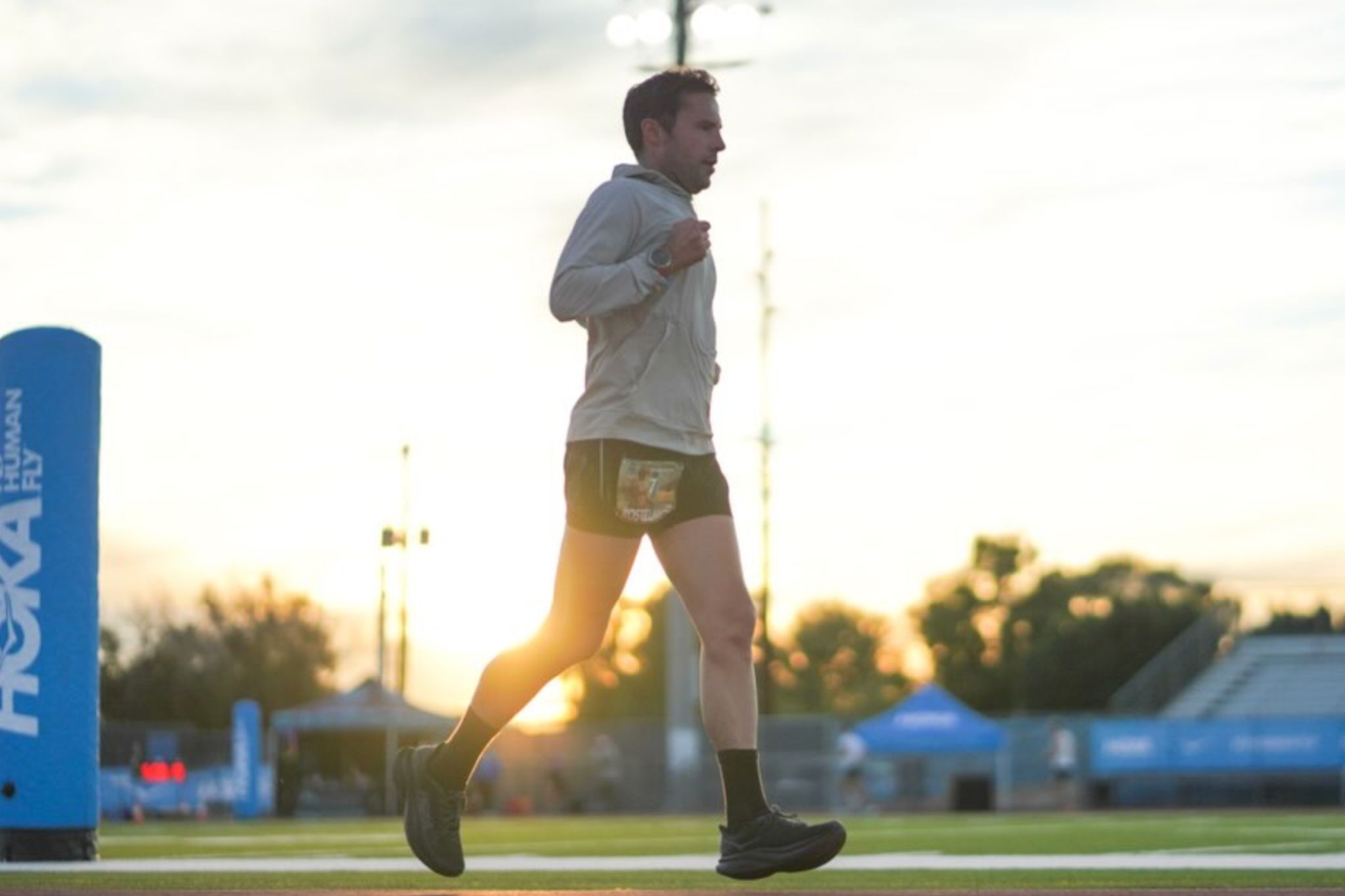
The Desert Solstice Track Invitational in Phoenix was a focal point of interest this weekend. Its annual 24-hour event, conducted on a flat 400-meter track, is renowned for producing fast times largely due to specific environmental conditions—milder winter temperatures and controlled pacing. The race confirmed this premise, with Piotr Chadovich leading the field to an impressive 155.6 miles overall. Closely following him were Hans Van Zanten and Bob Hearn, who completed 139.2 miles and 130.5 miles, respectively; Hearn’s finish not only placed him third overall but also allowed him to set a new age group record for those over 60, emphasizing the importance of experience and training volume in long-distance events.
For women’s competitors, Joyce Payne’s achievement of 100 miles in 17:41:17 showcased a tactical pacing strategy that is critical for ultramarathon success. Colleen Drahos’s 70-mile finish in just over 13 hours also illustrated the varied pacing strategies different runners adopt, depending on their goals and experiences. However, the standout performance came from Charlie Lawrence, who broke the American record for the 100k with a time of 6:07:10, surpassing Jim Walmsley’s previous record. This record-breaking run not only reflects individual preparation and race-day strategy but also the increasing competitive depth in the 100k distance.
Moving to the Ancient Oaks 100 in Titusville, Florida, registration saw 38 participants, but only eight successfully navigated the demanding 29 loops through the Enchanted Forest Sanctuary within the 32-hour limit. Michelle Toppi’s finish in 27:20:57 exemplified a calculated approach, placing third overall, while securing victory in the women’s category. The divergent paces between male and female competitors highlighted the tactical decisions made based on the hilly course structure and varying terrain—an important factor for runners preparing for mountainous races.
In the Woodside Ramble 50k in California, the course favored experienced ultrarunners familiar with the challenges posed by significant elevation gains in wooded areas. Kevin Stewart’s finish in 3:48:06 and Courtney Winterbauer’s time of 5:07:14 corroborate this, underscoring route familiarity and the need for runners to prep not just for distance but also for terrain-specific challenges. Understanding one’s own pacing capabilities becomes essential in races characterized by unstable footing or drastic elevation changes, as seen in events held in the mountains.
The 16th annual Cave Creek Thriller 50k returned to Arizona, providing another opportunity for competitors to test their strategies against a challenging course. Eric LiPuma’s course record of 3:38:51 is noteworthy; breaking previous records can require precise calibration of hydration, nutrition, and pacing strategies. LiPuma’s performance underlines the potential benefits of a thorough understanding of one’s training capacities, particularly in varying altitude conditions that mountain races often present.
These races collectively serve as critical data points for ultrarunners strategizing for future competitions, especially those eyeing events with UTMB qualification criteria. Many races, such as the upcoming Cave Creek and subsequent mountain ultras, emphasize the importance of training both physically and mentally for specific course profiles. Athletes are advised to analyze race conditions from previous years, as factors like climate, course terrain, and altitude can significantly impact performance.
Finally, insights from this weekend reinforce the necessity for runners to adapt training plans according to current competitive standards, employing technology for pace monitoring and recovery strategies that aligns with the necessary endurance capacities required in these ultras. The balance of pushing physical limits while maintaining sustainable practices can yield substantial outcomes during race day scenarios.
In summary, as you prepare for your next mountain ultra, remember to evaluate not only the distance but the specific demands of the terrain you will face. Understanding the nuances of elevation, pacing, and nutrition in relation to the unique characteristics of each course can provide the edge needed for success in ultrarunning competitions.
