


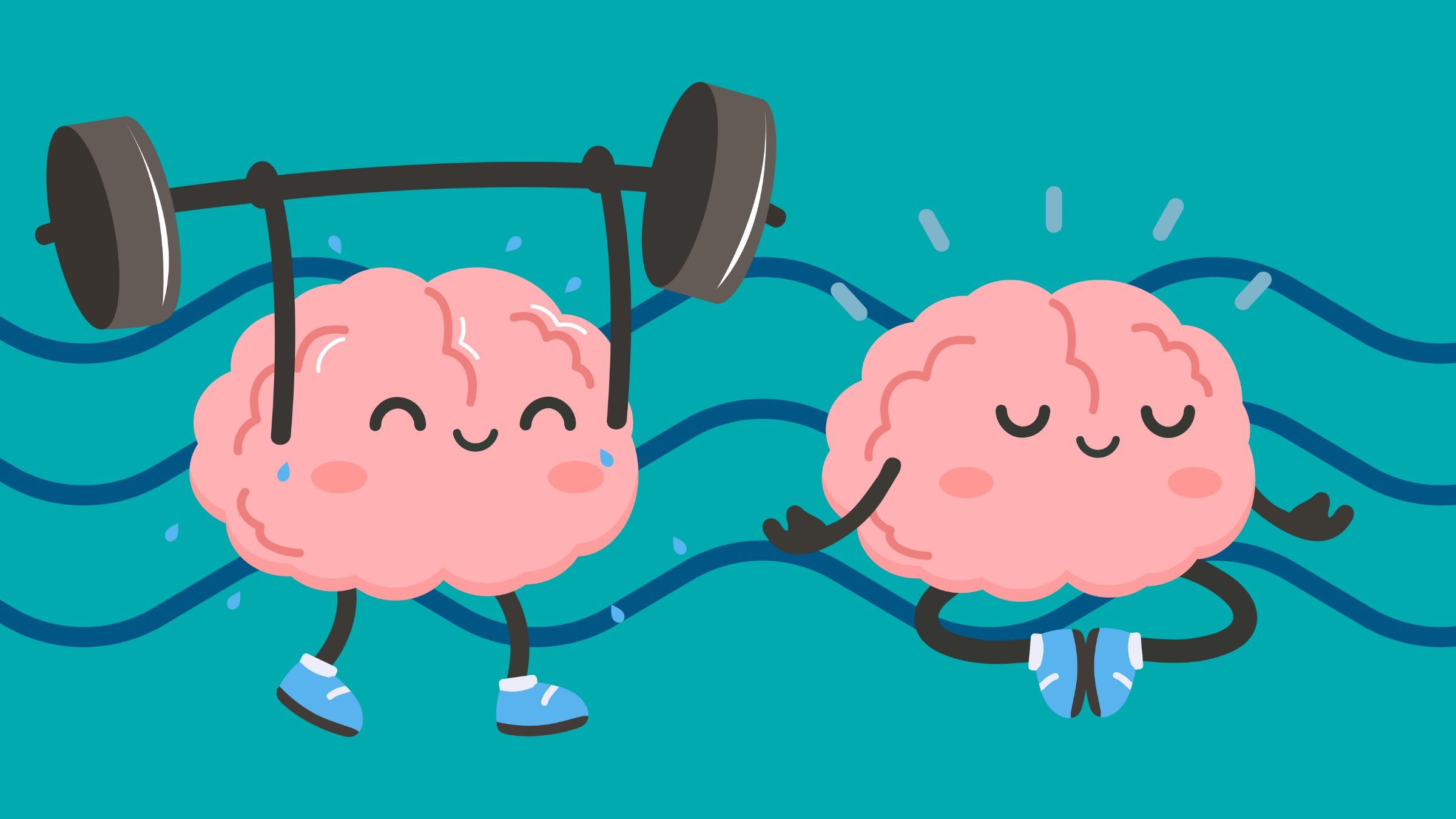
Endurance training, including activities such as swimming, biking, and running, is not only beneficial for physical fitness but also plays an important role in enhancing cognitive abilities. However, during the off-season, many athletes worry about the repercussions of reduced training on both their physical and cognitive capabilities. A neuroscientist delves into whether stepping away from structured training impacts brain fitness.
A neuroscientist analyzes what happens to your brain when you take a break from endurance training. (Photo: Getty Images)
Published December 23, 2025 06:00AM
The Importance of the Off-Season in Endurance Training
The off-season is an integral part of endurance training, allowing athletes to recover and rejuvenate. Yet, this period often instills anxiety concerning the potential loss of physical fitness. Research indicates that physical detraining can result in decreased VO2 max, lower muscle capillary density, and metabolic changes after just 2-4 weeks of reduced activity. However, these changes tend to be moderate, especially since most athletes enter their off-season with a solid training foundation and don’t halt all physical activity.
Endurance Training and Cognitive Enhancement
Engaging in endurance training provides various cognitive benefits, such as enhanced motor learning, improved reaction times, better decision-making skills, and strengthened attention networks. These brain benefits raise a crucial question: does stepping back from regular workouts pose any cognitive risks?
Is There a Cognitive Cost to Taking Time Off?
When athletes take a hiatus from workouts, what happens to their cognitive health? While existing research is somewhat limited, evidence suggests that there may not be significant detrimental effects on cognitive performance during this break. Most studies focus on older adults, linking physical activity with reduced cognitive decline. Notably, a study involving master endurance athletes experienced a decline in cerebral blood flow after just ten days without exercise, particularly in regions linked to learning and memory.
Despite the reduced blood flow, cognitive function remained unchanged, highlighting that cognitive performance may not mirror physiological changes in the brain. While the study assessed verbal fluency, this is not directly relevant to endurance sports, meaning the implications are limited. In short, while a training break may reduce brain blood flow, it should not be misconstrued as a decline in cognitive performance.
Cognitive Benefits of an Endurance Off-Season
One aspect that negatively affects brain function is overtraining. Research indicates a negative correlation between excessive training and cognitive performance. Athletes pushing through intense workouts without adequate recovery may experience decreased cognitive performance, stemming from accumulated stress. Symptoms of overtraining can include slower reaction times and impulsive decision-making.
The good news is that cognitive performance is highly recoverable. Data shows that even a week or two of reduced training can restore cognitive capabilities and engage crucial executive functions like inhibitory control, focus, and reaction time. Thus, balancing rigorous training loads with planned recovery is essential for optimal performance.
Keeping Your Brain Fit in the Off-Season
Incorporate Agility and Balance Drills
The winter months present an opportunity to incorporate agility and balance drills. These could include balancing exercises like standing on one leg while turning your head, or performing lateral lunges. Such drills keep the cerebellum actively engaged, enhancing your proprioception and coordination.
Embrace Outdoor Activities
Engaging with the outdoors, even during winter, can elevate the cognitive benefits of exercise. Studies indicate that outdoor exercise yields greater cognitive benefits compared to indoor workouts. One study demonstrated enhanced attention and working memory when exercising outside, offering a win-win situation for both physical and mental health.
Practice Mindfulness and Meditation
Meditation is proven to activate the parasympathetic nervous system while alleviating stress and enhancing cognitive capabilities. A study found that just 13 minutes of daily meditation improved attention and working memory. However, the positive effects are more pronounced after a consistent practice of eight weeks. Committing to meditation not only benefits your off-season but primes you for the forthcoming training season as well.
Conclusion: Cognitive Resilience through Recovery
In summary, while the body may undergo more noticeable changes due to detraining, the brain appears to be less vulnerable in terms of cognitive function. The off-season may even provide a much-needed cognitive reset for endurance athletes. This knowledge can ease the anxiety surrounding time off, empowering athletes to prioritize recovery without compromising their cognitive sharpness. For athletes, recognizing the interconnectedness of physical and cognitive health could significantly enhance their overall performance in endurance sports.
