


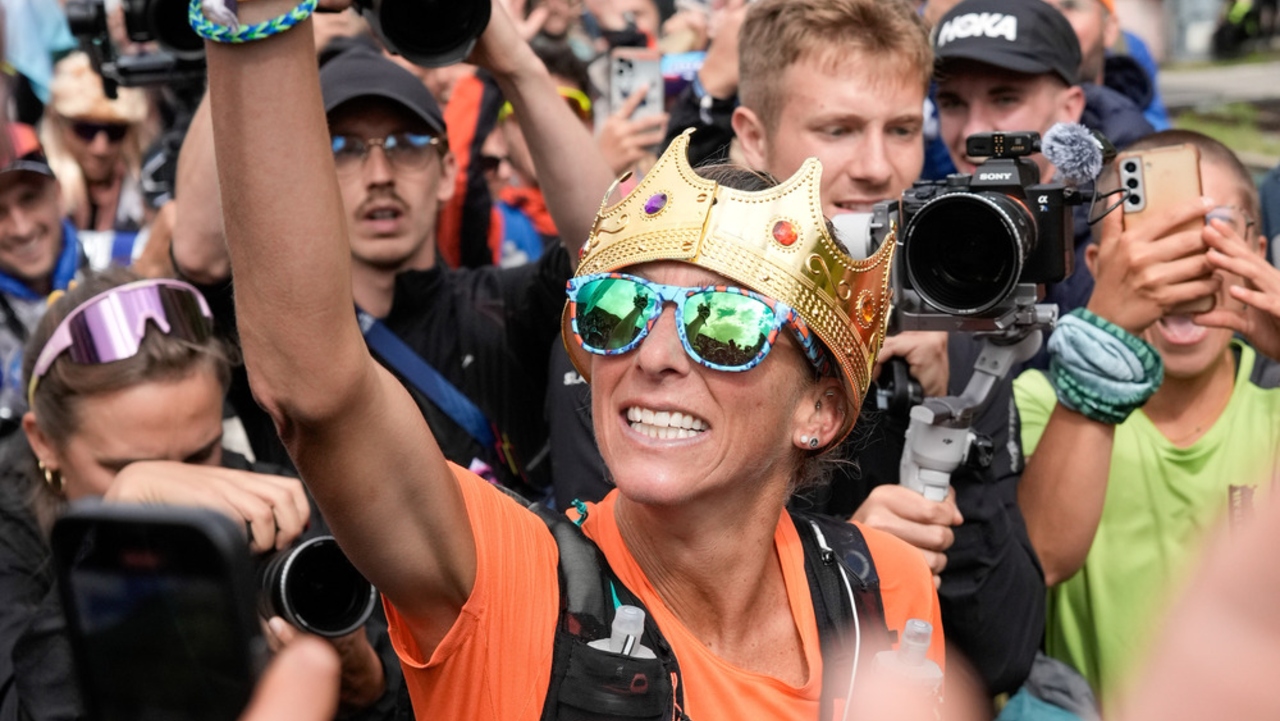
The 2025 UTMB season has highlighted a transformation in trail running dynamics, particularly with the increasing participation of women, which reached 44,563 competitors, marking a significant rise of 11,620 from the previous year. While this development indicates progress, women still comprise just over 30% of the participant pool, leaving room for improvement in terms of gender parity, especially when benchmarked against road marathons, where the ratio is approaching 50:50. This year also saw several initiatives aimed at making the sport more inclusive, including better facilities for female runners and enhanced support for adaptive athletes—demonstrating an ongoing commitment to diversity across the circuit.
At the core of the UTMB World Series was a record 55 events held across 28 countries, which collectively attracted nearly 147,000 runners. A staggering distance of 8.9 million kilometers was covered, roughly equating to 222 laps around the Earth, alongside an impressive elevation gain of 470 million meters. Notably, 73% of participants came from the host country or adjacent regions, with 58% originating from the country where each event was held. This statistic underscores the emphasis on local engagement and accessibility in the planning and execution of the UTMB series.
Elite athletes continue to shape the landscape of competitive trail running, with 69% of identified elites registering for at least one UTMB World Series event in 2025. This figure reflects a notable increase in elite participation, likely spurred by ongoing excitement surrounding the sport. Among the standout names are Courtney Dauwalter, Katie Schide, and Ruth Croft, all of whom have made remarkable strides in women’s trail running over the past decade. Their performances serve not only as benchmarks for speed and strategy, but also as indicators of the evolving standards in the ultra-endurance arena.
The push for inclusivity also saw practical measures implemented this year, with 97% of events ensuring access to feminine hygiene products and dedicated facilities for women. The way women’s race leaders were covered also evolved, with equal visibility alongside their male counterparts. Coverage is critical for the growth of the sport, as demonstrated by the uptick in broadcasted events from eight to thirteen, bringing attention to the rising interest and participation levels across diverse demographics.
The presence of adaptive athletes is another area where tangible progress has been achieved. In 2025, 105 athletes with adaptive status participated, marking a 100% increase from the previous year. This growth is indicative of both increased awareness and the successful implementation of mentoring programs that connect elite athletes with adaptive competitors, fostering an environment of support and shared experience.
As experienced trail and ultrarunners prepare for upcoming seasons or races, the UTMB experience offers insights into the performance metrics that matter. Understanding the race structure, such as qualification updates and specific course variations, is essential. Similarly, the logistics surrounding race day—whether it involves solo support or crew dynamics—play a crucial role in performance outcomes.
In terms of gear innovation, runners should be mindful of any developments introduced in equipment reliability and weight. The gear used not only impacts speed and endurance but also affects overall race strategy. As lighter and more reliable gear continues to enter the market, the tactical decisions around what to carry versus what to leave behind become increasingly important during long races in mountainous terrains.
From a pacing strategy perspective, comprehensive knowledge of elevation profiles and course changes can significantly influence race dynamics. As much of each UTMB course incorporates challenging technical sections, recognizing areas to conserve energy versus those requiring aggressive pacing can make a substantial difference in overall placement and performance.
The commitment to environmental stewardship and sustainability within the running community remains another factor to consider. As more races adopt eco-friendly practices, athletes may also look for ways to align their personal values with their event choices, potentially influencing their training and race selection in the future.
The overarching takeaway from the 2025 UTMB World Series is the importance of understanding the evolving landscape of trail running—not just in terms of competition but also in fostering an inclusive, supportive environment. As the sport attracts a broader demographic, experienced mountain ultrarunners should prioritize training and preparation strategies that reflect these changes while remaining committed to personal performance goals.
