


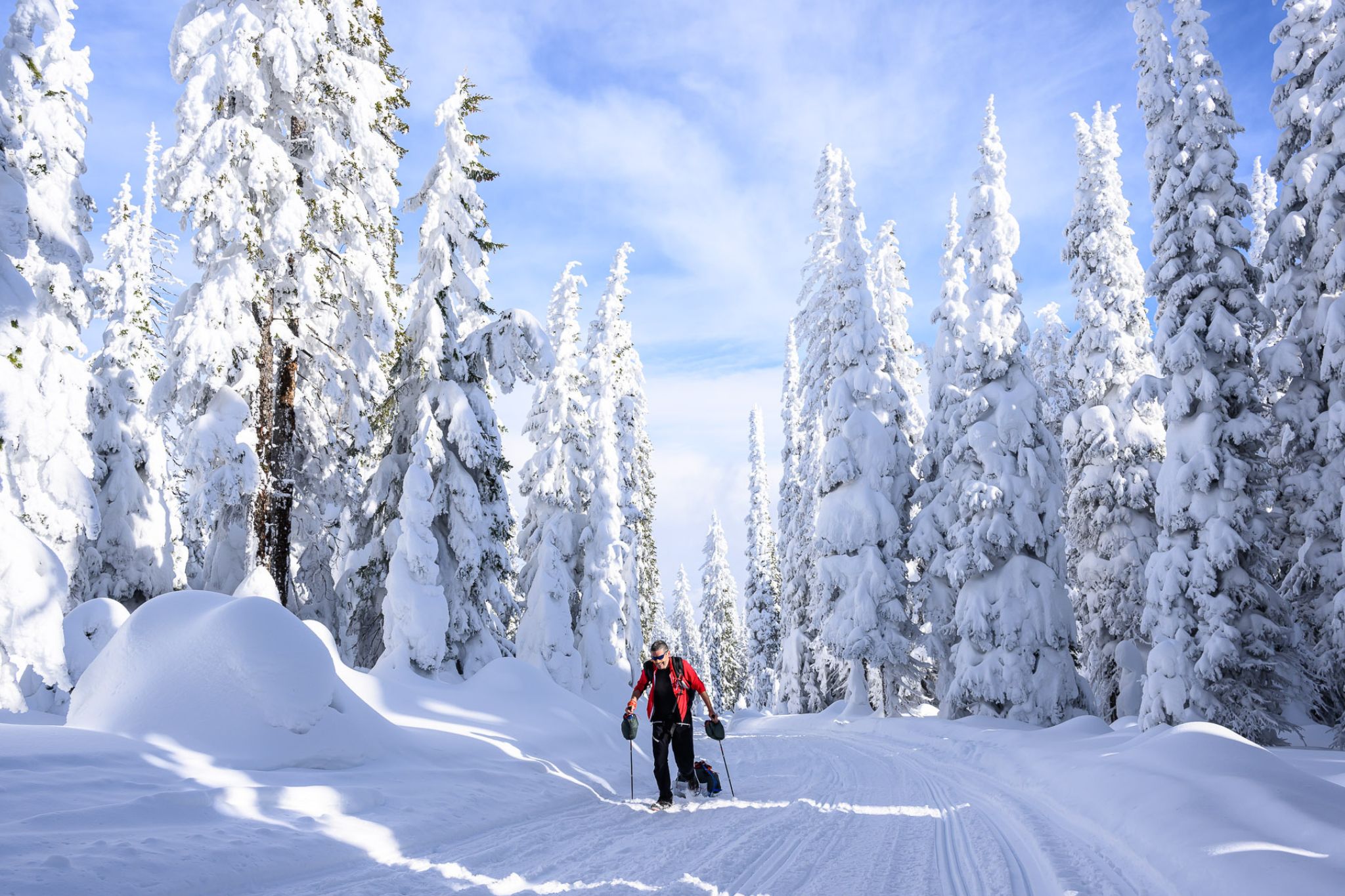
In the evolving landscape of ultramarathon events, the Fat Pursuit has emerged as a distinctive challenge particularly relevant to athletes focused on winter endurance racing. Founded by Jay Petervay, a seasoned cyclist and winter sports enthusiast, this event has transitioned from a fat bike-exclusive race to a multifaceted challenge embracing skiing and running categories. As more athletes look to diversify their racing experiences, the Fat Pursuit’s unique environment offers insights that go beyond mere competition and delve into adventure, strategy, and safety.
Nestled in the southeastern foothills of Idaho, the Fat Pursuit takes place in a realm characterized by snowy trails and challenging conditions, making it a compelling race for experienced ultrarunners. The event serves as one of the few qualifying opportunities for the esteemed Iditarod Trail Invitational (ITI), and though it has gained notoriety within the fat biking community, the inclusion of skiing and running categories over the past four years reflects a strategic adaptation to changing participant needs. Petervay attributes this evolution to a dual aim of expanding opportunities for various outdoor athletes while enhancing educational offerings related to safe winter exploration.
One of the most pertinent aspects for serious ultrarunners is the psychological barrier presented by the race distance. At 200 kilometers, the Fat Pursuit’s length is daunting. Historical data indicates that roughly 10% of participants have opted for this distance in previous editions, primarily favoring the fat biking and skiing categories. However, the introduction of a more approachable 30k option aims to attract a broader spectrum of participants, particularly those who may find the extended distance intimidating. This move could signal a potential trend within ultra events looking to draw a wider array of competitors.
Distinct from traditional races, the Fat Pursuit cultivates an adventure-centered ethos rather than merely a competitive atmosphere. This focus requires participants to possess not just physical endurance but also a fundamental understanding of winter conditions and risk management. The absence of strict qualification requirements increases accessibility but also places the onus of preparedness squarely on the athletes. The race has a unique stipulation that requires participants to demonstrate a rudimentary ability to boil water along the course, underscoring the emphasis on survival skills in potentially harsh conditions.
Furthermore, the event’s organizational structure is built upon a robust community network of volunteers, many of whom possess significant experience both as athletes and as race staff. Their insights into course conditions, weather variability, and safety protocols can provide crucial support to athletes navigating challenging terrain. Given the unpredictable nature of winter weather, having local knowledge and expertise readily available significantly enhances the racer’s ability to strategize accordingly.
Nutrition also plays a vital role in success during the Fat Pursuit. The event provides a diverse array of savory and sweet food options at aid stations, a crucial factor considering the extended nature of the race. Timing the race between New Year’s celebrations and Martin Luther King Jr. Day, when trail traffic is typically lower, also allows racers to experience a more serene and less crowded route. This decision aligns with broader trends in ultra events that recognize the importance of course accessibility and enjoyment.
As runners prepare for such events, specific training elements become pivotal. A foundational element to focus on is moisture management—essential for maintaining performance and comfort in winter conditions. Runners must be adept in layering strategies to regulate body temperature while remaining dry, as moisture retention can lead to significant performance setbacks and health risks. Understanding not just equipment but also how to use one’s gear effectively is crucial; the diminished margin for error in winter environments calls for thorough familiarity with all equipment.
Self-awareness is another critical component that experienced ultrarunners often overlook in their training. Proactive problem-solving is paramount. Athletes should be prepared to address minor issues—whether related to nutrition, fatigue, or equipment malfunction—before they escalate into significant hurdles on the trail. Runners familiar with mountain races recognize that attention to detail during training translates into enhanced situational awareness during races, particularly in demanding winter conditions.
The Fat Pursuit exemplifies an increasingly popular approach to ultramarathons that emphasizes education, community support, and adventure. As runners contemplate their participation, they gain not only an opportunity for a challenging race but also valuable strategies that can be applied to any ultrarunning pursuit. This innovative blend of competition and community education is an essential consideration for any serious ultrarunner seeking unique challenges in their racing itinerary.
Ultimately, the takeaway for competitors drawn to such races is this: Mental and physical preparedness must evolve in tandem with the conditions presented by winter courses. While fitness is indispensable, adapting to the environment and leveraging community resources can significantly enhance an athlete’s capability and safety. As winter ultras gain traction, the Fat Pursuit stands as a compelling blueprint for those committed to pushing the boundaries of their endurance within the winter landscape.
