


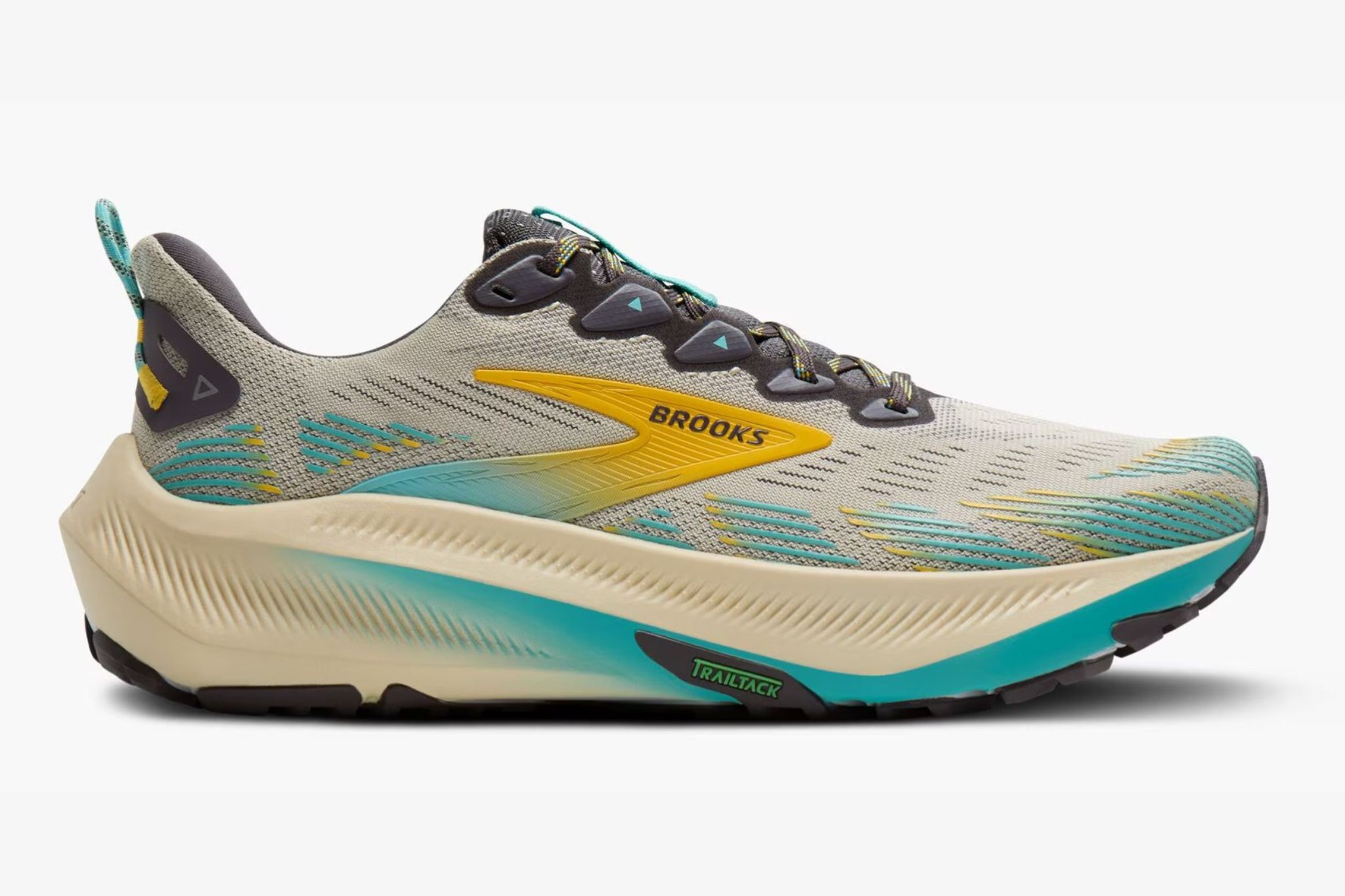
Brooks has recently expanded its trail shoe lineup with the introduction of the Ghost Trail, a model designed for experienced runners who are comfortable transitioning between road and mild to moderate trail environments. This shoe serves as a bridge, bringing the beloved characteristics of the Ghost road shoe into a more versatile trail-ready version. As ultrarunners strategically plan their gear selections for mountain races, understanding the features of the Ghost Trail can offer insight into how it might fit into a performance-driven training regimen.
The Ghost Trail maintains key elements found in its road counterpart, particularly appealing to those who have trained extensively in the Ghost series. The upper construction features a soft air mesh material designed to excel in breathability and flexibility, crucial for longer races where comfort can be a differentiator. The shoe includes generous cushioning around the tongue and ankle collar, providing a secure rearfoot fit without compromising the overall flexibility essential for varied terrain. For experienced runners, a well-rounded toebox allows for natural toe splaying, which is an important consideration in maintaining foot health over extended distances.
From a performance standpoint, the midsole utilizes the nitrogen-infused DNA Loft v3 compound, which is celebrated for its soft, comfortable feel and responsiveness. This compound bridges the gap between cushioning and support, essential attributes for runners tackling both extended asphalt sections and softer trails. In comparison with the traditional Ghost, the Ghost Trail features an 8mm heel-to-toe drop instead of the standard 10mm. This adjustment may appeal to trail runners looking to adapt their biomechanics for a flatter platform while still offering enough cushioning to absorb shock over long distances.
The outsole is also worth noting for its hybrid characteristics. Using the same TrailTack Green rubber found in the Cascadia model, it offers reliable grip in both wet and dry conditions. This feature can be particularly advantageous in mountain races where weather can shift dramatically. The lug height is a moderate 3mm, providing ample traction on loose gravel and mild trails without being overly aggressive, which can hinder performance on firm surfaces. This balance allows for a smooth transition back to paved roads, reducing the risk of losing pacing and momentum during races that involve mixed terrain.
The Ghost Trail is positioned as a capable option for runners juggling training races that require adequate performance on both trails and roads. Utilization of flex grooves in the outsole aids in facilitating natural foot motion, an important factor for runners looking to maintain efficiency through different phases of a race. For ultrarunners aiming to balance speed and comfort, the broader surface area mapped on the outsole can enhance stability and grip, which are paramount when navigating technical sections of mountain courses.
As ultrarunners look towards upcoming qualifications and race plans for events like the UTMB, the Ghost Trail might present itself as a compelling training option. Given its transitional qualities, it allows runners to practice and hone their technique across diverse surfaces. Furthermore, as new course changes and race launches are introduced within the ultra circuit, having a reliable and versatile shoe can aid athletes in adapting to evolving race dynamics. The ability to navigate varied terrain while minimizing the risk of injury can be crucial, especially when approaching races that demand a strategic pacing strategy.
In summary, the Brooks Ghost Trail combines elements of familiarity from the road with enhancements suited for off-road environments, making it a strategic addition for ultrarunners training for mountain races. As they prepare physically and logistically for competitive events, engaging with footwear that can seamlessly adjust to an array of conditions may yield performance benefits.
This shoe could be an excellent addition to an experienced runner’s kit, particularly during transitional phases of training when simulations for race scenarios require adaptability both in grip and comfort underfoot. Fitness, strategy, and equipment decisions remain intertwined; understanding and investing in the right gear can improve both training effectiveness and race-day execution.
