


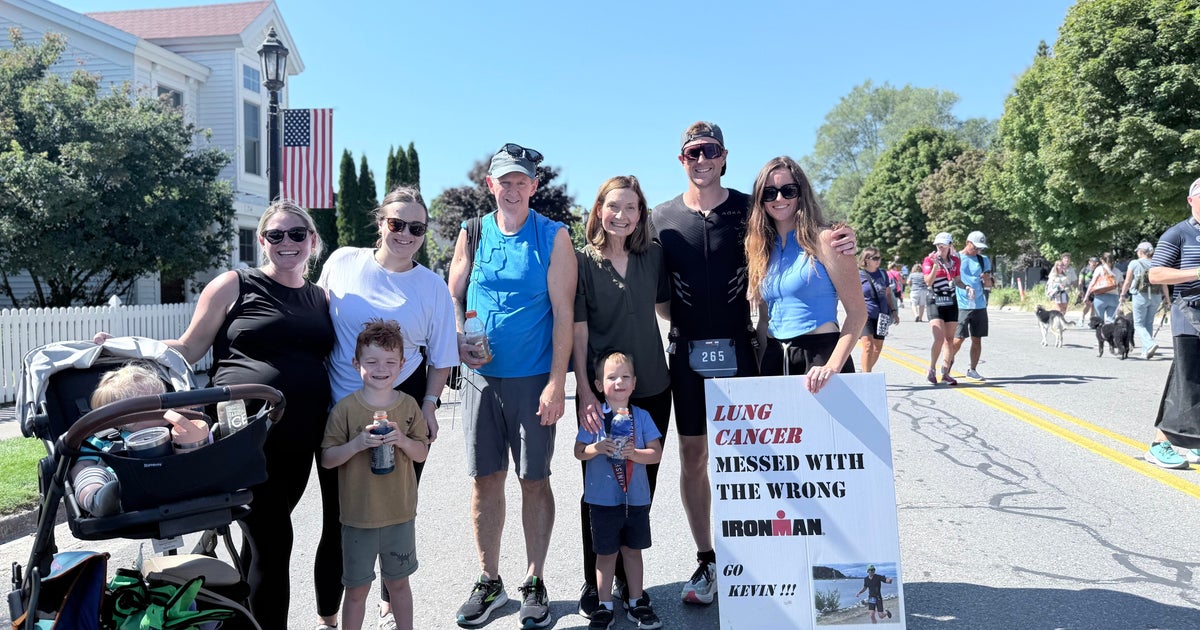
Endurance athletes often know discomfort. It’s a familiar companion in the form of fatigue, physical strain, and emotional hurdles, whether in training or racing. For Kevin Humphrey, an experienced ultramarathoner and father of two, that discomfort became something far more concerning in early 2024 when persistent back pain and an unusual cough prompted medical attention.
Initially dismissed as pneumonia, Kevin’s symptoms persisted despite treatment, leading him down a path flooded with uncertainty and medical jargon. The inconclusive results from a biopsy of his lung were frustrating, but rather than resigning himself to a lack of answers, he compelled himself to seek a second opinion. This decision marked a pivotal moment, encapsulating the essence of resilience common in endurance sport: the refusal to settle for ambiguity and the willingness to push boundaries in pursuit of clarity.
When he arrived at Northwestern Medicine, the bronchoscopy revealed the unexpected: a tumor in his left lung that was compressing his windpipe. The diagnosis was Stage IV non-small cell adenocarcinoma. For someone like Kevin, whose life revolved around pushing the limits of physical capability and health, this was jarring. He had never smoked and had no familial predisposition to lung cancer, rendering this chapter of his life both surreal and unwelcome.
As an athlete, Kevin had always trained his body to endure. He understood pacing and the need for mental fortitude when confronted with obstacles—both physical and psychological. This new challenge called for an adaptation of his resilient mindset, transitioning from training to recovery and ultimately to conquering an unanticipated illness. As he embraced the complexities of his diagnosis, he pushed for further tests, perhaps an instinctual move to reclaim control in a scenario that felt overwhelmingly disempowering.
The results of these tests revealed a sobering truth: the cancer had metastasized, likely growing for at least a year. With a five-year survival rate at this stage hovering around 37%, many would sense defeat. But for Kevin, it was an invitation to act with purpose. His oncologist outlined a vigorous treatment plan, including immunotherapy targeted at the driver mutation fuelling his cancer’s growth. This is where Kevin’s experience as an athlete began to manifest in a new light; he grasped the possibilities inherent in a tailored approach—akin to developing a personalized training regimen that honors an athlete’s unique strengths and weaknesses.
Challenging his body through treatment would not merely be about survival; it was about recovery as a holistic process that mirrored endurance training itself. Each step of his journey involved meticulously adjusting his mindset, setting gradual goals, and visualizing success amidst the chaos. The intersection of hope and strategy became vital. The targeted therapies were a turning point, allowing the once insurmountable situation to transform into one in which he could see a pathway back to health.
When surgery became viable and necessary, Kevin faced the intense act of having nearly half of his left lung removed. The physical ramifications of such an operation could have proven detrimental to both his identity and his physical capabilities. His early days of recovery became laden with the simultaneous challenges of pain and the realization that he would need to redefine his expectations. Suddenly, everyday activities became labors of determination. Much like the transitional phases in a training cycle, he realized that the only route forward was to embrace the process, however slow it needed to be.
As he rehabilitated, he set a mental milestone: the Ironman 70.3 race a year after his surgery. This wasn’t just a race; it symbolized a consciousness of grit and purpose, reminiscent of long training sessions where mental resilience is built one mile at a time. Signing up for the race didn’t mean he overlooked the uncertainties; rather, it illustrated a commitment to live fully despite them.
On race day, as he competed, completing the course in under five and a half hours, Kevin entered a state of reflection—one that endurance athletes know well. Racing became more than the numbers on a clock; it was a testament to overcoming. Each step symbolized personal triumph against the backdrop of a year filled with unpredictability. He crossed the finish line, not merely as an athlete but as a father and a husband, embodying a profound sense of gratitude that permeated the finish line and expanded into his life.
As Kevin returned to racing, he also confronted the ongoing reality of his health. Regular scans and blood tests became part of his new routine, yet they did not overshadow his rediscovered passion. Running the Chicago Marathon, a couple of weeks after the Ironman, further solidified the connection between physical endurance and emotional perseverance. He aimed merely to cross the finish line, a statement rooted in gratitude and presence rather than competition. The time clock couldn’t overshadow the experience of being out on the course, of feeling the support of family and the running community.
Ultimately, this story resonates with anyone who has pushed against physical limitations. It speaks to the understanding that endurance isn’t just a physical capacity; it’s mental resilience intertwined with adaptability. The lessons learned are clear: each long session isn’t merely about the miles or the time. It’s about how you emerge after each endeavor, cultivating a mindset that appreciates the journey ahead, both on the run and in life. No matter the circumstances, endurance carries the inherent promise of transformation, reminding athletes that it’s worth pacing oneself with intention, driven by purpose and an unwavering commitment to the long game.
