


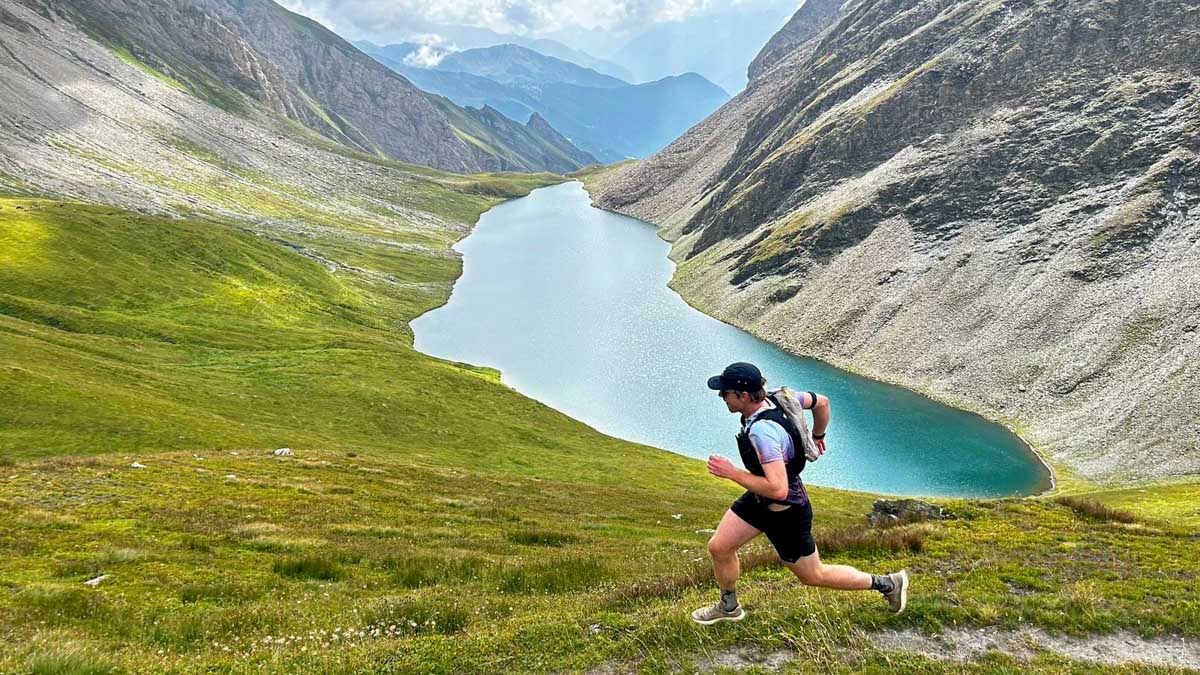
With the rise in participation in trail running, a sport traditionally seen as fringe, a nuanced exploration of its commercialization versus cultural integrity becomes pertinent, especially for experienced trail and ultrarunners preparing for challenging mountain races. The experience of four passionate runners—Alex Elizabeth, Brianna Corremonte, CJ Carter, and their colleague—serves as a lens into this evolving landscape, highlighting the delicate balance between the sport’s growing appeal and the pursuit of its underlying essence.
Trail running has evolved over the years, and with a reported 12.3% increase in participation between 2022 and 2023, the industry is witnessing a surge of interest, drawing in athletes eager to embrace the thrill of the trails. Yet, this increase comes with substantial commercialization and a tendency to focus on high-profile, elite athletes. As seasoned competitors, it is vital to evaluate how this shift affects opportunities, race structures, and individual experiences. Races are increasingly presented as grand events, often accentuated through high-production media and sponsored content. This focus on spectacle can overshadow the fundamental joy of the sport, where the simple act of running takes precedence over competition, branding, and commercial interest.
As races proliferate and evolve, changes to well-known events, such as UTMB qualifications, are crucial for runners aiming to secure spots in prestigious races. For example, updates regarding qualifying races, adjustments in entry requirements, and alterations to the race courses themselves can directly impact training strategies and race preparation. Understanding these nuances enables runners to better tailor their training regimens, ensuring they meet the necessary qualifications effectively and efficiently. Keeping abreast of these developments can provide a strategic advantage as runners gear up for the demands of mountainous terrains.
The landscape of trail running is further shaped by gear innovation. As brands vie for increased market share, they continue to roll out new products that promise improved performance and reduced weight. However, this influx of new gear carries implications for reliability. When considering new shoes or apparel, experienced runners should weigh the potential benefits against the necessity for proven gear that withstands the rigors of trail running. The balance of performance enhancements and practicality can dictate success on race day, particularly in races where environmental conditions are unpredictable and testing.
Record-breaking performances offer additional insights that experienced runners should reflect on as they prepare for their own races. Analyzing the strategies employed by elite athletes can inform pacing decisions and race execution. Many top runners emphasize the importance of steady pacing, especially in mountainous ultramarathons where terrain can drastically alter one’s strategy. Understanding how top competitors manage their energy, both in terms of physical effort and nutrition, can provide practical applications for race day.
While acknowledging the rise of elite athletes, it’s essential to recognize the myriad ways running remains a personal journey, free from the confines of commercial pressures. For many, the sport remains intrinsically linked to personal growth, exploration, and connection with the outdoors. Embracing this philosophy can enhance not only individual performances but the broader community ethos. Engagement in local races, group training runs focused on camaraderie rather than competition, and supporting initiatives that prioritize inclusivity reveal another layer to the sport that transcends mere competition. This community spirit fosters an environment where all athletes, regardless of experience level, can find value in their efforts.
Furthermore, the notion of environmental stewardship is increasingly resonant within the trail running community. As the sport grows, so does the responsibility to protect the natural landscapes that attract runners to the trails. Experienced trail and ultrarunners are in a unique position to advocate for sustainable practices and mindful engagement with the wilderness. This connection not only enhances the value of participating in trail races but serves as a reminder of the interconnectedness of nature and athleticism.
In conclusion, the landscape of trail running is evolving rapidly, marked by increasing levels of commercialization, evolving race dynamics, and a growing community of runners. For serious athletes preparing for mountain ultras, integrating awareness of these changes into their training and race strategies can enhance their performance. Engaging with the broader community, advocating for sustainability, and understanding both the commercial and cultural nuances of the sport will ultimately support the preservation of its essence. The takeaway for experienced runners: keep the balance—maintain your commitment to personal growth and connection with the sport while navigating the evolving landscape of trail running.
