


As experienced ultrarunners know, preparation for mountain races requires not only physical endurance but also an understanding of race dynamics, environmental factors, and strategic decision-making. With the second weekend of 2026 now upon us, several noteworthy ultramarathons in North America highlight diverse terrain and conditions that challenge even seasoned athletes. These events provide crucial insights into effective race strategies and the importance of thorough pre-race planning.
The Avalon Benefit 50, set on January 10, 2026, on Catalina Island, California, presents unique challenges due to its out-and-back format across rolling fire roads and a cumulative elevation gain that could surprise participants if not adequately prepared for the specific demands of the course. With the 50-mile runners starting at 5 a.m. and 50k participants following an hour later, strategies for tapering, hydration, and pacing become essential. The 12-hour limit for the 50-mile race forces competitors to find a balance between speed and endurance, particularly on an island course renowned for its scenic beauty and potential rough patches. Notably, the chance to spot local wildlife, such as bison, should remind runners to stay focused and manage their mental energy throughout the race.
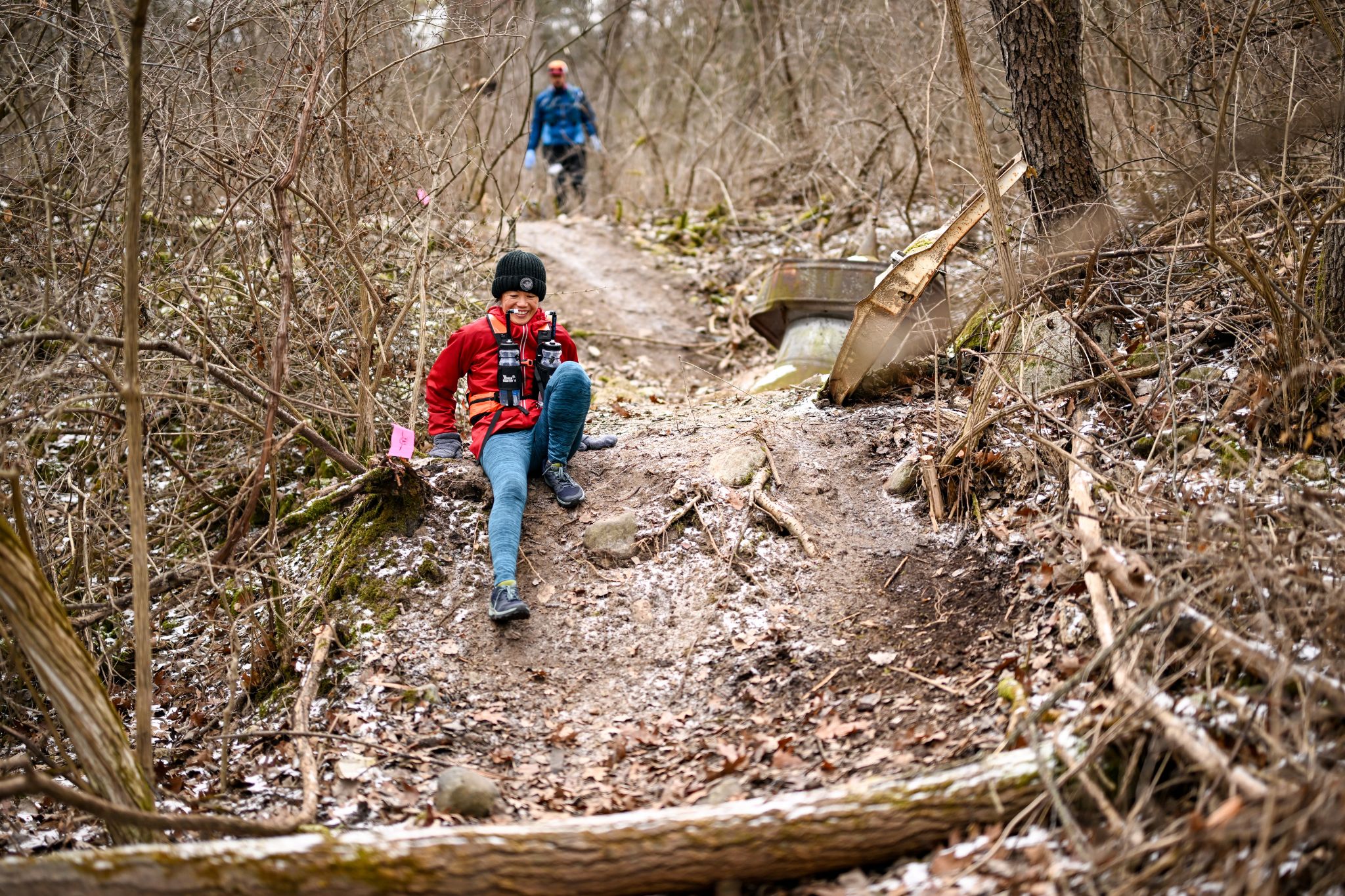
For those inclined toward winter conditions, the Frozen Gnome 50k in Crystal Lake, Illinois, is a prime example of how adverse weather can impact an athlete’s performance. Taking place on January 10, this event features a challenging five-loop course with significant elevation gain, and participants must contend with potentially slippery trails. For runners experienced in colder climates, understanding how to optimize gear—particularly footwear with good grip and gaiters for snow protection—becomes a tactical necessity. The communal and festive atmosphere also highlights the importance of mental resilience amidst physically demanding conditions. As an ultrarunner, leveraging aid stations effectively, prioritizing hot beverages and nutrient-rich foods, and maintaining a steady, manageable pace are vital for completing such a rigorous race.
The 24th annual Bandera 100k and 50k in Bandera, Texas, is a critical early-season event that attracts competitive fields, especially as it serves as a qualifier for the prestigious Western States Endurance Run. The course’s two laps of rugged terrain challenge some of the best, with significant elevation changes throughout. Competitors have 25 hours to finish the 100k, which requires meticulous time management and pacing to ensure that energy is conserved for the latter stages of the race. With an array of technical climbs and descents, runners would benefit from tailored strength training and familiarization with the course beforehand. Understanding the subtleties of the terrain—where to push the pace and when to conserve energy—can often be the difference between securing a qualifying finish and falling short.
In the realm of innovations, winter events like the Frozen Falcon in Manitoba present opportunities for athletes to adapt to fixed-time formats under challenging conditions. Here, the goal shifts from merely finishing an ultra to completing as many loops as possible of a 6.5k course within an eight-hour timeframe. This structure requires runners to recalibrate their strategies regarding pacing, nutrition, and gear. There’s a critical need for adaptability—balancing speed with recovery in presses, maintaining warm body temperatures during rest periods, and pacing to avoid the traps of overexertion in cold and snowy environments.
Moreover, discussions surrounding gear optimization continue to be essential for serious athletes. Reliability is key; therefore, runners should evaluate new technology and materials available in advanced footwear and apparel. Lightweight yet protective gear can significantly impact performance, especially in environments that pose risks of both fatigue-related injuries and hypothermia in adverse conditions. Trail runners would do well to experiment with gear during long training runs to gauge comfort and efficacy before race day, ensuring every piece of equipment is well-suited for the specific challenges of the chosen ultramarathons.
Strategically, utilizing insights from other accomplished ultrarunners serves as a beneficial learning tool. Athletes often disclose critical strategies they employed during races, such as pacing adjustments made in response to fluctuating trail conditions or hydration strategies that worked best for maintaining performance. Knowledge transfer can play a pivotal role in decision-making on race day, where conditions may not always be as anticipated.
As participants gear up for these diverse ultramarathons across North America, a significant takeaway remains clear: the fusion of mental fortitude, strategic planning, and thorough preparation is crucial. Each race presents unique challenges, and understanding how to adapt to various environments—be it the rugged trails of Texas or the snow-covered paths of Manitoba—requires a relentless commitment to honing not just physical abilities but also cognitive strategies. Runners aiming for successful outcomes must continuously evaluate their training, gear, and race tactics while remaining open to learn from every experience, ensuring consistency in performance and resilience in the face of the relentless demands that ultrarunning entails.
