


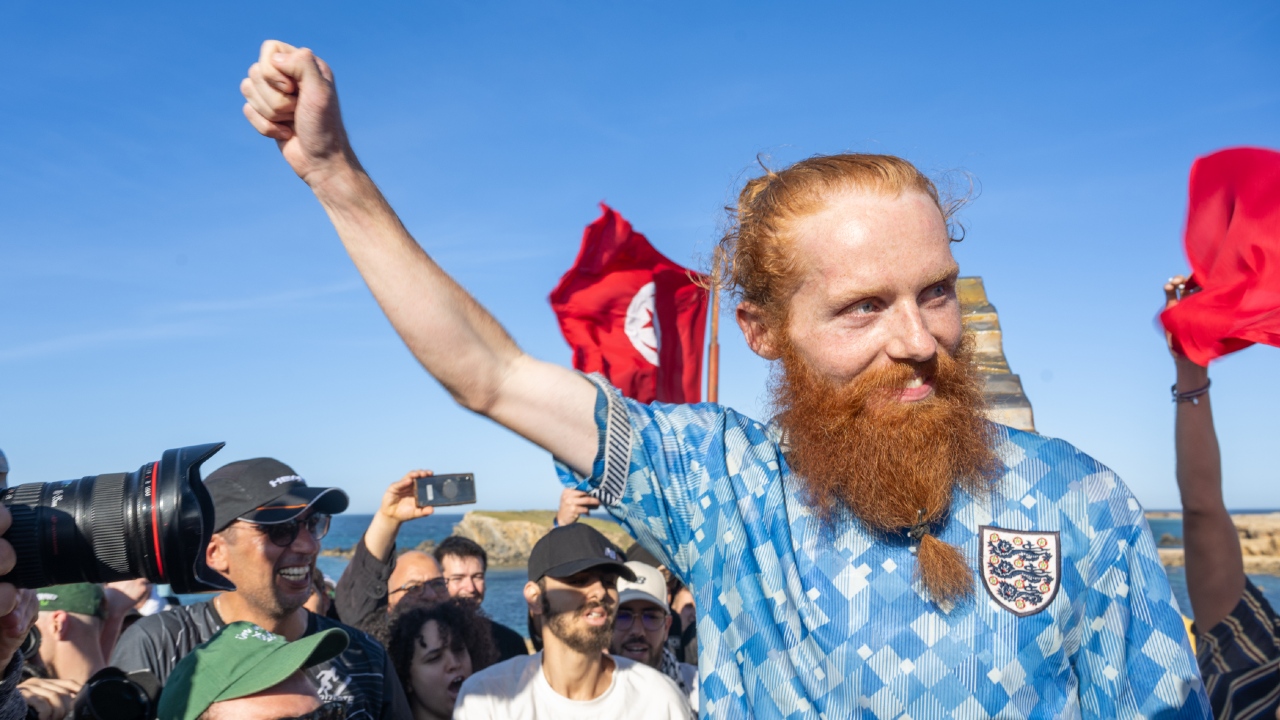
Recently, Russ Cook, an endurance athlete known for taking on extreme challenges, attempted the Ultra Maratón Caballo Blanco, a 50-mile ultramarathon in the heart of the Copper Canyon in Mexico. This race not only tests physical capabilities but accentuates the importance of strategy, adaptability, and understanding local culture in ultrarunning. Cook’s experience, documented in detail, reveals key insights for seasoned trail and ultrarunners preparing for challenging mountain races.
The Caballo Blanco has a reputation rooted deeply in the traditions of the Rarámuri people, famed for their exceptional running ability and lifestyle. Unlike conventional approaches to ultrarunning, which often center around performance metrics, the Rarámuri embody a philosophy that intertwines running with daily life, relying on it for mobility rather than solely for sport. This cultural perspective provides a crucial lesson: successful ultrarunning may also hinge on a runner’s ability to integrate their passion into their everyday life, reducing pressure and allowing for a more harmonious relationship with the distance.
Cook’s experience illustrates the necessity of adapting strategies to race conditions. During the race, his choice to wear traditional sandals proved unmanageable, leading him to switch to trainers due to blisters. This pivot underscores the importance of gear selection, particularly regarding footwear. Experienced ultrarunners recognize the value of testing gear extensively in training rather than relying solely on recommendations or brand loyalty. The right footwear can significantly influence performance and comfort, particularly in challenging terrain like that found in the Copper Canyon, where uneven surfaces demand responsive and supportive gear.
The physical and mental challenges during Cook’s run exemplify the struggle often faced in ultramarathon environments. He described moments of severe cramping and exhaustion contrasting sharply with the effortless strides of his local running partner, Arnulfo Quimare, who completed the course under a different mental framework. This highlights an often-overlooked element in ultrarunning: the mental aspect. Elite endurance athletes frequently emphasize the role of psychological endurance in their training. Incorporating mindfulness and a focus on the process rather than the outcome may enhance resilience during demanding races.
The challenging landscape and Cook’s struggle further illustrate the importance of pacing. Many ultrarunners emphasize the value of starting conservatively, especially in mountain races where elevations and technical terrains can lead to rapid fatigue. Cook’s experience serves as a reminder to utilize a pacing strategy that allows for an assessment of energy levels throughout the race, rather than engaging in a relentless battle against the distance. He noted how Arnulfo approached the course without urgency or the inclination toward personal bests. This dichotomy reinforces the need for runners to not only be aware of their immediate capabilities but to challenge the ingrained mindset of racing against a clock.
Nutrition strategy plays a pivotal role in long-distance runs, as evidenced by Cook’s adaptations during the race. Navigating the terrain of the Copper Canyon, he faced various hydration and fueling challenges, particularly given the significant temperatures experienced. Runners preparing for similar races should start honing their nutrition plans well in advance, ensuring they can sustain energy levels and avoid gastrointestinal distress. Different environments not only affect physical performance but also influence how runners should approach their fueling strategies, from energy gels to real food items that may better suit the digestive system under duress.
Lastly, Cook’s reflections on the nature of endurance running illustrate a critical takeaway for serious mountain ultrarunners: the mindset with which one approaches training and racing can be as significant as physical preparation. As he noted, the interaction with Arnulfo offered him insights into the simplicity and normality of running within the context of life, causing him to reassess the often combative relationship with distance that many athletes recognize in themselves. Indeed, one may find the most profound strategies not in advanced training methodologies or technical gear, but in cultivating a mindset that embraces the journey, promoting sustainability in the sport.
As the running community continues to evolve, insights gathered from experiences like Cook’s attempt at the Ultra Maratón Caballo Blanco can inform the strategies and decisions of ultrarunners. By recognizing the importance of mental adaptability, appropriate gear selection, pacing strategies, and integrating running as part of everyday life, athletes can pave paths toward improved performance and fulfillment in their personal ultrarunning journeys. Ultimately, the significance of maintaining a balanced perspective on endurance may not only enhance performance but also deepen the overall experience of the sport. For those engaged in serious mountain ultras, embracing these insights can lead to a more fulfilling racing experience rooted in both tradition and personal growth.
