


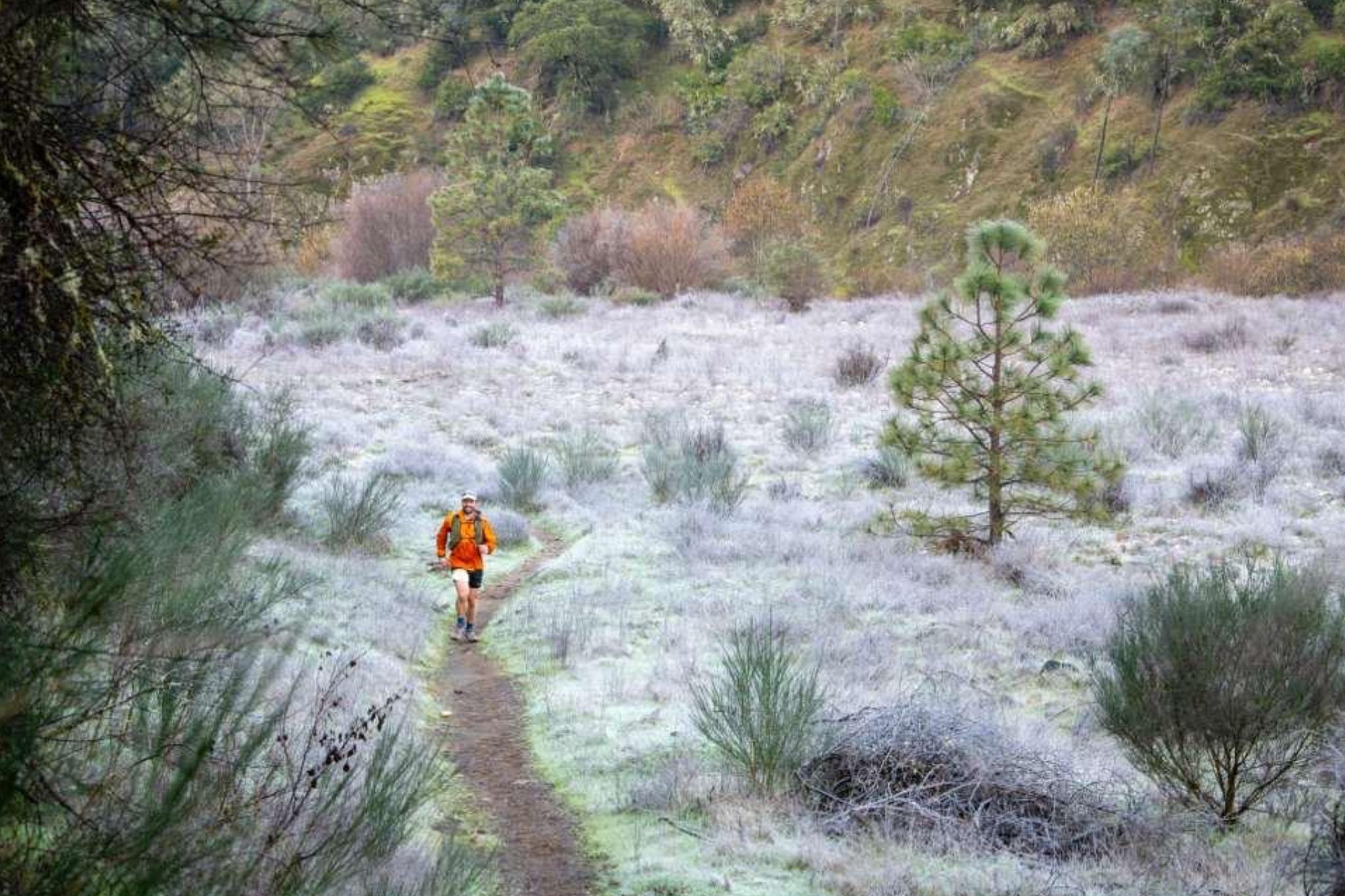
The second weekend of January saw significant activity in North American ultrarunning, with 20 events listed on the UltraRunning Magazine race calendar. The results from races held in Texas, Arizona, and California are notable not just for the performances but also for insights into current race dynamics and trends relevant for athletes tuning into their training strategies, particularly those preparing for mountainous ultramarathons.
At the Bandera 100k and 50k in Texas Hill Country, 342 participants tackled the 100k course, which consists of two laps around a rugged 50k route. The performance of Anneke Durkan in the women’s division is noteworthy, as she completed the race in 11:08:14. Her finish not only secured her a victory but also placed her within the top ten overall. Durkan’s tactics seemed to blend endurance with strength management, an essential strategy for mountain races where elevation can significantly impact pacing.
On the men’s side, Jared Rothlauf dominated with an impressive 8:54:58, creating a gap that highlighted the importance of starting strong yet knowing how to maintain speed through fatigue. Rothlauf’s strategic execution serves as a case study in ultramarathon pacing, particularly in challenging terrain where race conditions can rapidly change.
The 50k race drew attention with Molly Seidel, an Olympic Marathon bronze medalist, making her ultramarathon debut. She clocked in at 4:09:00, shattering the women’s course record. Seidel’s transition from road to trail running may be indicative of a broader trend where elite marathoners venture into the ultramarathon realm, bringing their speed and competitive spirit. Her performance raises considerations for others looking to shift their racing discipline: a well-calibrated acclimatization to trail conditions and elevation could enhance transition success.
In the Avalon Benefit 50 on Catalina Island, the men’s winner, Michael Ruf, finished in 6:22:00, while Catherine LeClair took the women’s title in 7:38:21. Of particular interest is how these results might influence race strategies among ultrarunners focusing on similar coastal terrain, where elements like humidity and heat can tax endurance. The course required not only stamina but also technical skill in navigating varied terrain—a crucial aspect for those planning to race on similar coastal mountaineering routes in the upcoming season.
The San Tan Scramble in Arizona featured a modest field of 56 finishers in its 50k event. John Raneri secured the win with a time of 3:40:09, showcasing an efficient execution of speed in a challenging course. His pace indicates a successful balance of aggressive tempo and strategic conservancy, traits essential for those familiar with both short burst energy demands and the sustainability required over greater distances.
Over in Auburn, California, the No Hands Trail Run attracted attention with its 50k division, where David Pillard crossed the finish line in 4:58:05, while Lena Wirth led in the women’s field at 6:27:33. For ultrarunners eyes set on performance, Pillard’s finish illustrates the potential benefits of tactical gear choice and pacing strategy, particularly in varying altitudinal gradients common in mountainous races. Observers might consider how gear innovations such as advancements in trail-running shoes or pack design could impact weight distribution and, subsequently, endurance over long distances.
Across all participating races, pacing strategies, strength management, and gear reliability converged into shared lessons for ultrarunners aiming for mountain events. The performances reflect individual adaptations to both course conditions and competitive dynamics, pivotal for honing personal race plans. The records shattered by athletes like Seidel and Ruf also signal the ongoing evolution of ultrarunning standards, prompting serious contenders to reassess prior benchmarks.
It is essential for athletes to consider not just their current performance but the evolving competitive landscape shaped by these burgeoning high-caliber competitors transitioning from road to trail. Analyzing these outcomes will be crucial for planning and executing effective strategies in upcoming mountain ultras where elevation, technicality, and endurance all come into play.
The performance insights gleaned from these results underline the importance of adaptability in training, especially regarding elevation and terrain encountered in mountain races. Runners should remain cognizant of how strategies executed by top competitors can be replicated, tweaked, and personalized to refine their plans leading into major competitive pushes as the season progresses. Maintain focus on refining specific pacing tactics, gear selection, and strength training—integrating lessons from the weekend events could pay significant dividends in future performances.
