


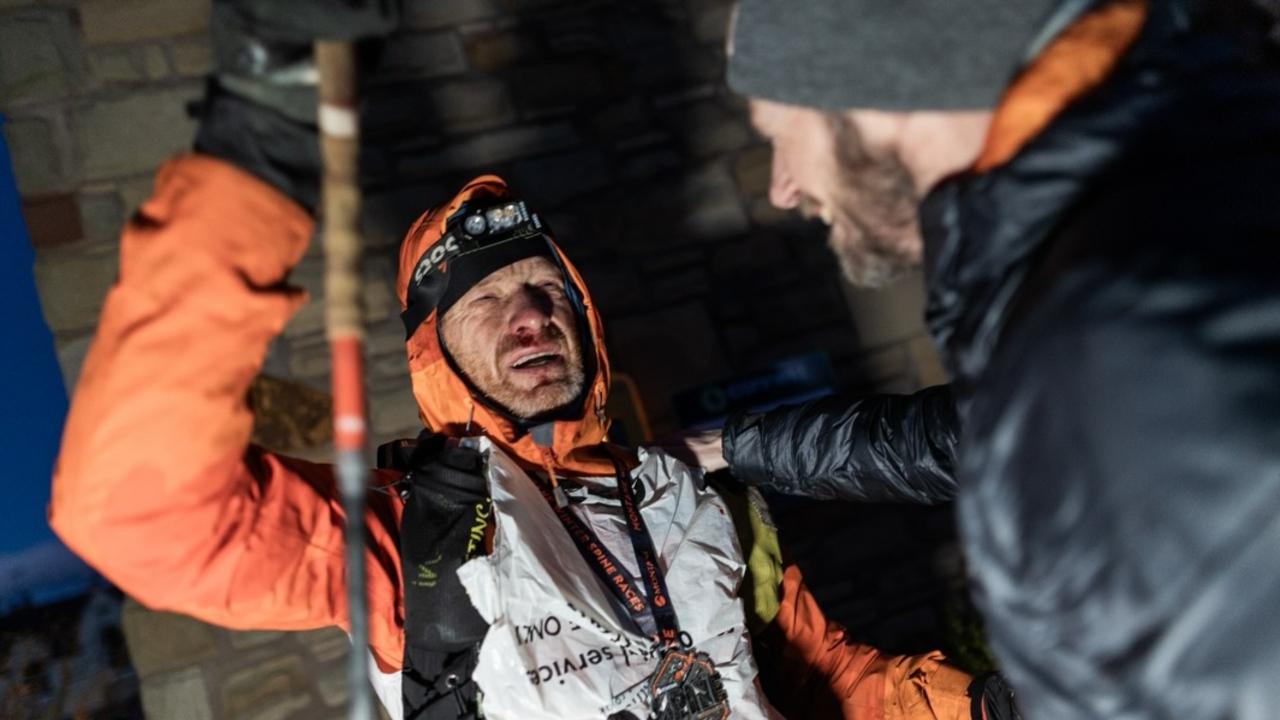
France’s Sébastien Raichon emerged victorious at the Montane Winter Spine Race, a grueling 268-mile ultramarathon that stretches from Edale in the Peak District to Kirk Yetholm at the English-Scottish border. This race is known for its brutal conditions, which tested even the most seasoned competitors. Raichon capitalized on Eugeni Roselló Solé’s late withdrawal after he had established a significant lead. By the end of the race, Raichon had completed the course in an impressive 95 hours, 43 minutes, and 52 seconds, showcasing a level of endurance and tactical awareness that speaks volumes for his experience in ultramarathons.
From the outset, the race presented a considerable challenge. Conditions were marked by treacherous snow, ice, and muddy ground, leading to an attrition rate that saw many pre-race favorites, including American John Kelly, withdraw early. Stephen Raichon remained determined through the unpredictability, trailing Roselló Solé who had surged to a 20-mile lead by the third day. However, despite the seemingly commanding position he had put himself in, Roselló Solé succumbed to exhaustion and cold, demonstrating the critical ways environmental factors can alter race dynamics. His withdrawal serves as a reminder that even apparent strengths can turn into vulnerabilities under the harsh realities of an ultramarathon.
Raichon’s strategy during the race was marked by a measured pace that allowed him to conserve energy. His decision-making at checkpoints reflected a keen sense of risk management, crucial in an event where the terrain can rapidly shift from runnable to hazardous. This patient approach became apparent after Roselló Solé’s exit when Raichon began to gain ground despite being 10 miles adrift. He emphasized his knowledge of pacing and rest—elements that more experienced competitors often overlook in favor of aggressive early efforts. By the finish line, it was clear that Raichon had mastered the art of pacing himself effectively over long distances, a tactic that could serve as a valuable example for ultrarunners.
From a performance perspective, the race’s outcome also highlighted vital aspects of endurance racing. The high attrition rate might suggest that becoming acclimated to the conditions is essential. Raichon, collecting victories across various European ultramarathons, adapted seamlessly to this new environment. In contrast, many competitors struggled despite their previous successes. This illustrates the importance of not only physical preparedness but also mental adaptability—a key factor when facing the unexpected challenges prevalent in mountain racing.
Raichon’s final push from CP 5.5 at Byrness into the finish underscores the tactical need for runners to evaluate their condition throughout the race. Knowing when to push and when to conserve energy often dictates success in ultramarathons. The “Hare and Tortoise” metaphor, invoked by race organizers, encapsulated this approach well. It’s crucial for runners to remember that slow, steady pacing can frequently yield better results than an aggressive start. Analyzing checkpoints, understanding one’s energy levels, and responding to the demands of the terrain are critical elements that can greatly affect finishing times.
With record-breaking performances becoming increasingly scrutinized within the ultrarunning community, the 2026 Montane Winter Spine Race serves as a case study in strategic pacing and course management under duress. Each runner’s experience contributes to a broader understanding of what it takes to tackle the diverse challenges posed by mountain ultras. Observing how leading athletes deploy their strategies—not just during the race but during training as well—can offer vital insights to inform future preparation.
For experienced ultrarunners, the key takeaway is the necessity of implementing a well-rounded and adaptable strategy, allowing for fluctuations in conditions throughout long races. The importance of patience, energy management, and responsive decision-making can’t be overstated; these are qualities that distinguish successful competitors from those who falter. As you prepare for your next mountain ultra, focus on honing a flexible race strategy and mastering the terrain, rather than simply striving for speed. This approach may well be your best insurance for navigating the trials of ultrarunning.
