


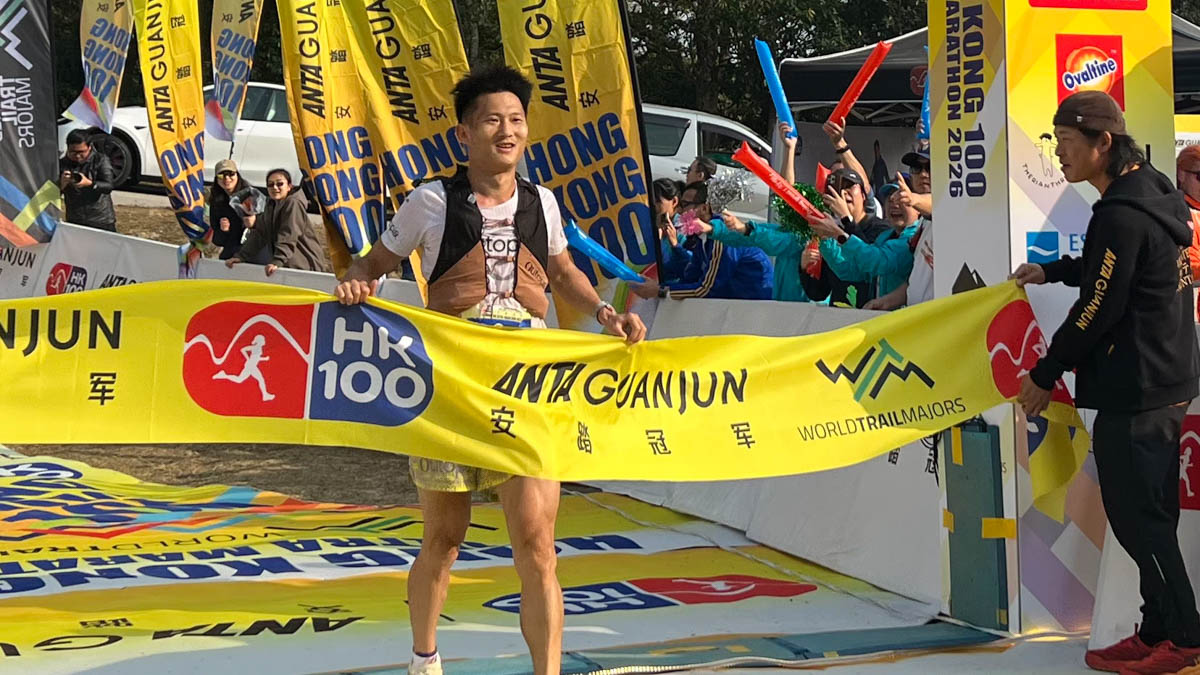
This past weekend, significant competitions in the mountain running circuit unfolded, particularly the Hong Kong Ultra, marking the year’s first World Trail Majors events. For seasoned trail and ultrarunners, these races provide insights into evolving race dynamics, course intricacies, and performance benchmarks that could impact future training and racing strategies.
The Hong Kong Ultra included 100k and 50k races, both of which presented unique challenges. Notably, this year’s 100k race fell short of the full distance, clocking in at approximately 93k but more than compensating with a demanding elevation gain of 5,073 meters (16,644 feet). Course changes often necessitate adjustments in pacing strategies and mental fortitude; understanding how these fluctuations can affect energy and nutrition requirements is crucial for racers looking ahead to similar mountainous events.
In the men’s 100k category, Gui-Du Qin emerged victorious with a time of 8:52, which can serve as a benchmark for competitive athletes eyeing top placements in future events. His performance was characterized by a strategic separation from the pack around the halfway mark, illustrating the importance of pacing—an essential skill in longer races where conserving energy can be the deciding factor in placing. Guang-Fu Meng and Guo-Min Deng followed, reinforcing the notion that familiarity with elevation profiles and terrain variations can inform training plans that include hill workouts and longer tempo runs to simulate race conditions.
Women racers faced an impressive challenge with Veronika Leng and Hậu Hà finishing together in a remarkable tactical finish that showcased competitive resolve. The two athletes’ ability to closely monitor each other’s pace throughout the race before opting for a mutual finish underscores an often-overlooked aspect of race strategy—team dynamics and mental reinforcement. For those training in similar environments, running in groups or with a pacer can significantly enhance both performance and psychological resilience.
The 50k race also yielded valuable insights, with Ru-Qin Wang claiming victory in just under four hours at 3:56. The close finish among the top three men highlighted the need for meticulous attention to pacing and fuel management. Considering Wang’s performance against the backdrop of challenging terrain, aspiring competitors can glean the significance of tailored nutrition strategies and in-race hydration planning, especially in courses known for their technical demands.
The 50k women’s event was tightly contested, with Xue-Mei Huang winning by only 44 seconds. Such close finishes emphasize the necessity for runners to refine their sprinting capabilities and finish-line tactics. The advantage of knowing when to push the pace or relax can often be a matter of mere seconds in ultra-distance events, making it crucial for athletes to incorporate speed work into their training while ensuring they maintain endurance conditioning.
The Arc of Attrition, held in the U.K., showcased a well-established race format that continues to attract robust competition, with British runners dominating the podium in both the 100-mile and 50-mile categories. Hugh Tibbs and Simon Withers demonstrated the value of sustained pacing strategies, finishing just four minutes apart in the 100-mile distance. This level of competition can serve as a guide for those considering how to strategize their approach to upcoming iterations of the race, particularly regarding pacing during the latter stages of long events—a common pitfall for many ultrarunners.
Notably, the performances of Anne-Sofie Pollestad, who prevented a clean sweep of British runners in the women’s race, showcased the importance of not only race-day preparation but also the ability to monitor and adjust one’s mental approach during the event. Such insights could be beneficial for athletes intending to compete in diverse international terrains where pace and elevation can vary significantly.
Gear innovation also played a critical role this weekend. As ultrarunners increasingly focus on weight management and gear reliability, recent advancements in footwear and apparel can greatly influence performance. Emphasizing lightweight and durable materials alongside the incorporation of breathable fabrics can enhance comfort and efficiency, particularly in long-distance events where wear and fatigue set in over time. Runners must remain vigilant about selecting gear that aligns with specific race demands, particularly in races with significant elevation changes or varying weather conditions.
Furthermore, the successful completion of such events reaffirms the continued relevance of key principles such as strengthening metabolic efficiency through targeted nutrition and conditioning strategies. Athletes are encouraged to reflect on their race execution, analyzing both successful and less favorable outcomes to keep refining their strategies for future races.
In conclusion, as runners prepare for the upcoming World Trail Majors and other mountain ultras, the takeaway from recent competitions lies in the vital understanding of course dynamics, pacing, and strategic insight gained from both rival competitors and individual performance. Consistent evaluation of these elements, paired with a focus on gear reliability and nutrition management, can facilitate effective race day execution. Being thoroughly prepared to adjust strategies in real-time remains an indispensable asset for any serious ultrarunner.
