


Vitamin D is increasingly recognized for its significance in the performance of endurance athletes, especially those training or racing in challenging conditions. While its classic role relates to bone health—ensuring optimal calcium absorption and maintaining skeletal integrity—its broader implications for muscle function, immune health, and recovery add layers of relevance for athletes pushing their limits.
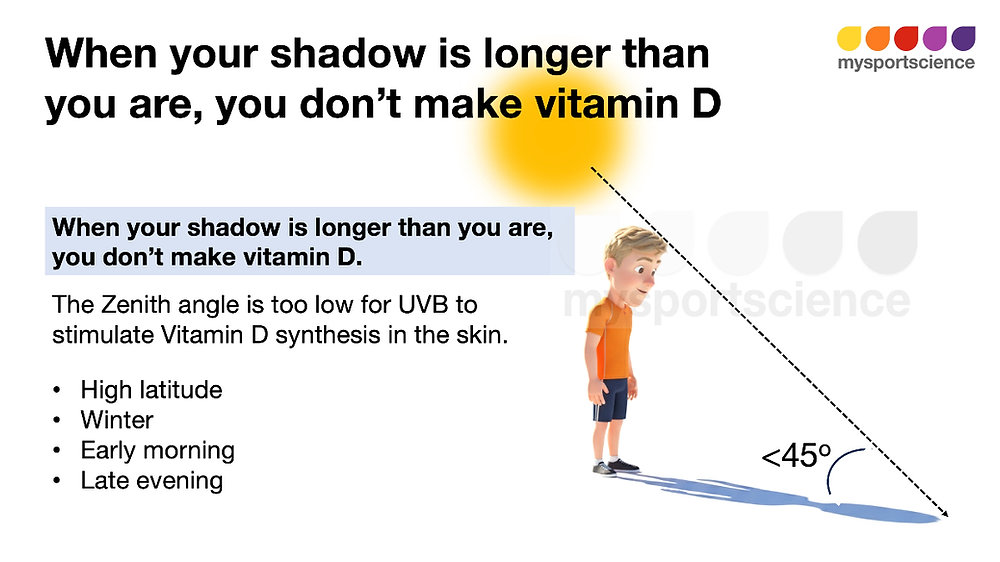
Endurance athletes often experience low vitamin D levels, particularly during winter months or at higher latitudes where UVB exposure is limited. While the human body synthesizes vitamin D primarily through skin exposure to sunlight, athletes can struggle to achieve adequate levels. This challenge is exacerbated for those training indoors, wearing extensive clothing, or having limited sun exposure. As a practical measure, the proverbial rule of shadow length can help athletes gauge their vitamin D synthesis potential—if their shadow exceeds their height, they are likely not producing significant amounts of vitamin D.
Low vitamin D levels are linked not just to bone health but also to muscle function and recovery. Studies indicate that vitamin D’s influence goes beyond maintaining musculoskeletal health; it plays a role in muscle repair and the body’s immune response, both critical for endurance athletes who face repetitive stress and exposure to illnesses, particularly during high training loads. Muscle regeneration and recovery are influenced by vitamin D pathways. Inadequate vitamin D status may hinder these critical processes, thereby prolonging recovery times and potentially compromising performance due to heightened illness risk.
In terms of fueling strategies, the timing and composition of meals around training sessions can further enhance performance outcomes. Adequate hydration remains a cornerstone of endurance performance; thus, ensuring hydration levels are sufficient before, during, and after long sessions is essential for optimizing physiological responses to training. When combined with an understanding of metabolic efficiency, the focus should shift to how the body utilizes fuel during prolonged exertion. Athletes accustomed to long-duration efforts can leverage a higher reliance on fat as a fuel source, thereby preserving glycogen stores for critical moments in performance.
While many athletes may be tempted to pursue aggressive supplementation strategies, it’s important to note that vitamin D supplementation particularly benefits those with low baseline levels. Research indicates that supplementing vitamin D is most likely to produce tangible outcomes in individuals already deficient—pushing levels higher in already replete individuals might not confer substantial performance advantages. It is not about using vitamin D as a magic bullet for performance enhancement but rather understanding it as part of a comprehensive risk management strategy to ensure adequate status, particularly in high-risk groups.
Maintaining adequate vitamin D levels may not only help in fortifying bone health and muscle function but may also alleviate illness burdens, ultimately protecting the training cycle from disruptions. However, vitamin D is not a panacea for all athletic issues. Relying solely on supplementation without addressing fundamental aspects such as proper nutrition, hydration, sleep, and recovery strategies can lead to disappointing outcomes.
For endurance athletes, recognizing the seasonal vulnerability of vitamin D status and adapting training and lifestyle habits can be a game changer. Incorporating vitamin D-rich foods into your diet or considering tested supplementation protocols, especially during winter months or if living in higher latitudes, can create a buffer against fluctuations in vitamin D status. Furthermore, being vigilant about energy availability and recovery practices can ensure that athletes maintain peak performance throughout their training cycles without succumbing to the pitfalls of illness or extended recovery times.
One realistic takeaway for endurance athletes is to monitor vitamin D status actively, particularly during winter training. Engaging with a healthcare provider to assess levels and tailor a supplementation plan based on individual needs can be a wise strategy. This proactive approach ensures that athletes support their performance without falling into the traps of misinformation or extreme dosing practices.
