


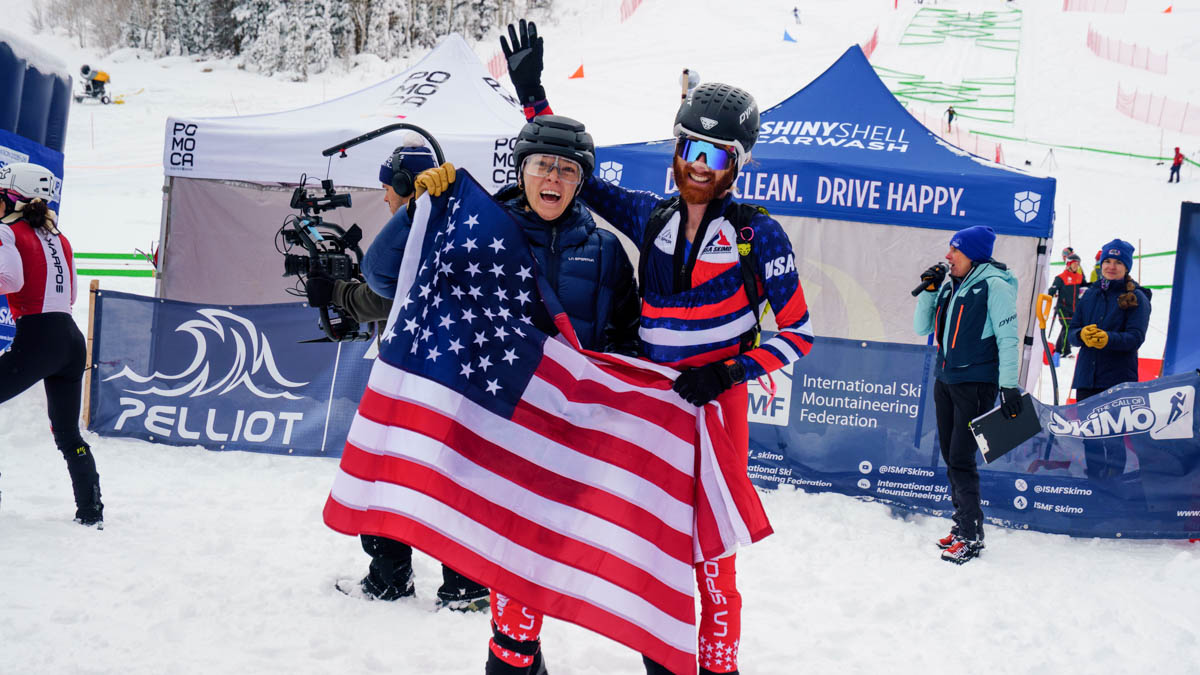
As the competitive landscape of trail running continues to evolve, notable developments in ski mountaineering (skimo) are poised to influence training strategies for seasoned trail and ultrarunners. The introduction of ski mountaineering as an Olympic event at the 2026 Games in Italy not only highlights a growing interest in multifaceted mountain sports but also presents intriguing training modalities and competitive dynamics that could benefit trail runners.
Skimo involves climbing uphill on skis before transitioning to a downhill descent, incorporating techniques that emphasize the ability to move swiftly between various terrains. Given the parallels between skimo and trail running, particularly in the demands of ascents and descents, trail runners may find value in adopting skimo principles to enhance their own race strategies. For instance, mastering transitions—whether from uphill to downhill or employing effective pacing during mixed terrain races—can provide deep insights into race execution strategies.
Athletes like Cam Smith and Anna Gibson, both set to represent Team USA in skimo at the upcoming Olympic Games, serve as case studies for effective cross-training. Smith boasts a significant background as a skimo competitor and a well-established resume in trail running. His experience reveals the benefits of varied training environments, indicating that even those with primary focus areas can explore adjacent sports to amplify their core skills. Conversely, Gibson’s notable transition into skimo despite having limited experience underscores the potential for adaptability among elite runners. Her ascent into the skimo realm through a strategic partnership with Smith emphasizes the importance of supportive networks and mentorship in skill acquisition.
The upcoming mixed relay format will further challenge competitors to balance individual performance with team dynamics, a facet that seasoned trail runners preparing for mountain ultras can leverage. The necessity to work seamlessly as a unit while maintaining high personal performance could offer trail runners insights into improving their racing style on technical courses. Planning for optimal transitions and energy management becomes critical, mirroring the planning required for staging effective aid station strategies during longer events.
For ultrarunners eyeing the UTMB qualification, the competition landscape has shifted with recent developments in course designs and race launches. Events are increasingly incorporating mixed formats and varied elevation profiles, necessitating a keen understanding of pacing strategies tailored to both ascending and descending sections. Runners must refine their strategies around nutrition, hydration, and pacing to remain competitive, particularly in races that demand swift transitions between differing terrain types, similar to those found in skimo events.
Recent innovations in gear, particularly in the lightweight category, offer an edge to ultrarunners as they equip themselves for increasingly technical courses. Advances in footwear, for instance, focus on delivering enhanced grip and comfort across variable terrain, an essential factor for both skimo and mountain races. Attention to gear reliability and strategic choices around equipment can significantly impact performance in racing scenarios, particularly when pace is marginal. Runners are encouraged to experiment with new technologies and materials during their training sessions, assessing personal comfort levels while making strategic decisions informed by experienced athletes’ feedback.
Moreover, strategic insights from elite athletes point toward the importance of adaptability in racing tactics. Observations from Smith and Gibson reveal that performance can vary significantly based on race day conditions and competitor dynamics. Runners should consider incorporating variability into their training, simulating race day scenarios that account for shifts in weather, terrain, and competition. Adjusting pacing decisions and understanding personal thresholds during prolonged periods of exertion can lead to marked performance improvements.
As the field of competitive trail running continues to integrate influences from associated sports like skimo, seasoned runners are well-positioned to absorb the nuances that these changes bring. The lessons learned from the adaptability and varied training regimens of athletes crossing between these disciplines provide valuable insights that experienced runners can apply to their own preparations for mountain ultras. Embracing inter-sport learning and applying those insights can position runners to optimize performance while navigating the evolving landscape of trail racing.
In pursuing competitive trail racing, a key takeaway is to remain open to incorporating techniques and strategies from adjacent sports, like skimo, that enhance endurance, speed, and overall race execution in mountain environments. This strategic embrace of cross-disciplinary training might just provide the edge needed to succeed on the demanding courses ahead.
