


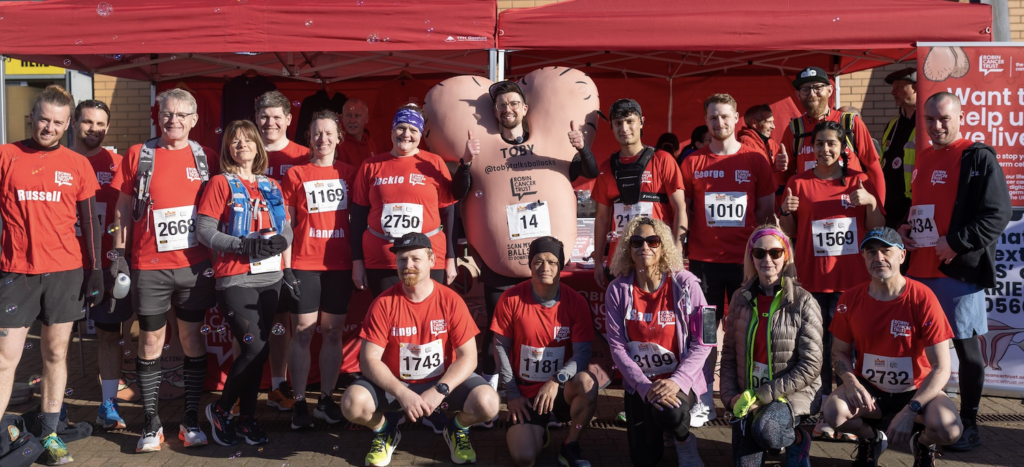
The 2026 Colchester Half Marathon, set against the backdrop of historic Colchester, represents a convergence of athleticism, community spirit, and resilience that resonates with the seasoned endurance athlete. Scheduled for March 8, this race has solidified its status not merely as a competitive event, but as a testament to the human endeavor to thrive in the face of adversity.
As experienced runners know, every race demands more than physical endurance; it calls upon mental resolve. This event, hosted by The Robin Cancer Trust, provides an opportunity for participants to embrace the dual aspects of personal challenge and collective purpose. Training for a half marathon often comes with its hurdles — be it the monotony of long runs, the struggle against weather elements, or the nagging specter of injury that can disrupt even the most meticulously planned workout schedule. The desire to complete a half marathon, especially one tied to such a meaningful cause, speaks to a deeper motivation grounded in both self-improvement and community contribution.
Every stride along the 13.1-mile course, which winds from the JobServe Community Stadium through the vibrant streets and serene countryside of Colchester, becomes a manifestation of commitment to training and mental fortitude. For many runners, these long distances serve not only as a physical test but also as a meditative journey that allows them to confront their own limits. Each mile is not solely about pace or position; it becomes an exercise in grit, a moment for reflection, and a chance for introspection. As athletes traverse through Colchester’s historic sights, they weave their own stories into the fabric of this event — stories defined by perseverance, adaptation, and, often, overcoming internal struggles.
Participants in this race often reflect on how their relationship with running evolves over time. Endurance athletes learn to embrace the discomfort of the long haul, understanding that the true test lies in maintaining a steady rhythm, both in pace and mindset. It’s in these moments of fatigue that the mental game becomes paramount. Athletes push through the “wall” — that notorious barrier during which doubts may surface, demanding they examine their motivations and recalibrate their approach. During such times, they employ techniques like focused breathing, visualization, and mantra repetition, all tools forged through years of rigorous training. These methods illustrate a broader theme in endurance sports: the ability to adapt and innovate one’s race strategy, be it in response to shifting weather conditions or the demands of a physically taxing course.
The power of community support on race day cannot be underestimated. Cheer squads lining the route become pivotal as they amplify the mental fortitude required to persevere. Experienced runners know that camaraderie often serves as a powerful catalyst. The encouragement of supporters not only energizes the body but also reinforces the psychological fabric that binds the endurance community. Sharing this experience fosters a collective determination that extends beyond the race itself, creating a network of resilience that resonates with athletes long after they’ve crossed the finish line.
For those involved in this event — whether as a runner, a volunteer, or a supporter — the emphasis on human connection and shared experience stands at the forefront. It draws attention to the essence of endurance sports: that running, while deeply individualistic, transforms into something greater when linked to community. Each runner carries the stories of those affected by cancer on their backs; their efforts contribute toward a larger mission of awareness and support orchestrated by The Robin Cancer Trust. This collective pursuit reveals a crucial takeaway for endurance athletes: while individual drive is essential for personal goals, the strength of community can propel us forward when personal resolve wanes.
As athletes prepare for the Colchester Half Marathon, they are reminded that resilience is cultivated through experience. Over countless runs and races, they have learned to recognize their limits while simultaneously pushing beyond them. It is this duality that strengthens both body and mind, setting the stage for performance that resonates with purpose. The journey to race day is marked by countless hours spent refining not just their physical capabilities, but their mental strategies too.
In essence, as the marathon nears, seasoned athletes should carry with them the profound understanding that each training run is a building block, a means to forge both physical endurance and mental resilience. They’ll gather strength not just from the miles behind them, but also from the community around them, fostering a collective energy that is palpable on race day.
Ultimately, the takeaway for these endurance athletes can be distilled into one honest truth: embrace both the solitude and the community in your journey, for it is within this dual experience that true resilience is nurtured.
