Close Menu
All About Ultras
  • News
  • Races
  • Nutrition
  • Culture
  • Tools
    • UTMB Ballot Calculator

Subscribe to Updates

Subscribe to our newsletter and stay updated with the latest news and exclusive offers.

What's Hot

New Gear Innovations Boost Performance for Upcoming UTMB Qualifiers

January 14, 2026

Unlock the Benefits of Using a Massage Gun for Effective Warm-Ups: Expert Insights

January 14, 2026

Trail Running Thrills: Upcoming 100K Races and UTMB Qualifiers to Watch!

January 13, 2026
Facebook X (Twitter) Instagram
All About Ultras
Login
  • News

    New Gear Innovations Boost Performance for Upcoming UTMB Qualifiers

    January 14, 2026

    Trail Running Thrills: Upcoming 100K Races and UTMB Qualifiers to Watch!

    January 13, 2026

    Trail Running Soars: New Gear Empowers 100-Mile Races at UTMB 2023

    January 12, 2026

    Trail Running Revolution: New Gear and 100M Race Insights Unveiled!

    January 11, 2026

    Trail Running Thrives: New 100K Races Propel UTMB Aspirations

    January 10, 2026
  • Races

    Unlock the Benefits of Using a Massage Gun for Effective Warm-Ups: Expert Insights

    January 14, 2026

    Swedish Runner Andreas Almgren Sets New European 10K Record with Fastest Time Ever Uploaded to Strava

    January 13, 2026

    Would You Join the ’24 Parkruns in 24 Hours’ Challenge for Charity?

    January 12, 2026

    Rachel Entrekin Captures #4 in 2025 UltraRunner of the Year with Dominant Season Highlights

    January 11, 2026

    Ann Trason’s Inspirational 100-Mile Journey at the 2025 Across the Years Event

    January 10, 2026
  • Nutrition

    Endurance Athlete’s Resilience: Overcoming Hamstring T-Junction Injuries in Ultramarathon Training

    January 8, 2026

    Endurance Athletes: Overcoming Concussion Symptoms to Achieve Unstoppable Performance

    December 30, 2025

    3 Resilient Principles for Endurance Athletes Overcoming Lateral Hip Pain

    December 23, 2025

    Empowering Endurance Athletes: Free AI Training Plans for Unstoppable Performance Recovery

    December 19, 2025

    Endurance Reclaimed: Overcoming Complex Regional Pain Syndrome in Ultramarathoning

    December 16, 2025
  • Culture

    Paralyzed Runner Defies Odds to Win Ironman in Hawaii, Inspires Millions

    January 13, 2026

    Triumphant Cancer Survivor Completes Marathon, Inspires at Richmond Medical Center Event

    January 11, 2026

    Triumphant Paralyzed Runner Defies Odds in Epic 26.2-Mile Marathon Journey

    January 9, 2026

    Paralyzed Ultramarathoner Faces Stage IV Cancer With Inspiring Race in California

    January 7, 2026

    Jess Learmonth defies odds, returns to triathlon after childbirth and injury.

    January 5, 2026
  • Tools
    • UTMB Ballot Calculator
All About Ultras
Home»Nutrition»Beyond DEXA Scores: The Resilience of Endurance Athletes in Ultramarathon Recovery
Nutrition

Beyond DEXA Scores: The Resilience of Endurance Athletes in Ultramarathon Recovery

Staff WriterBy Staff WriterAugust 4, 2025No Comments4 Mins Read
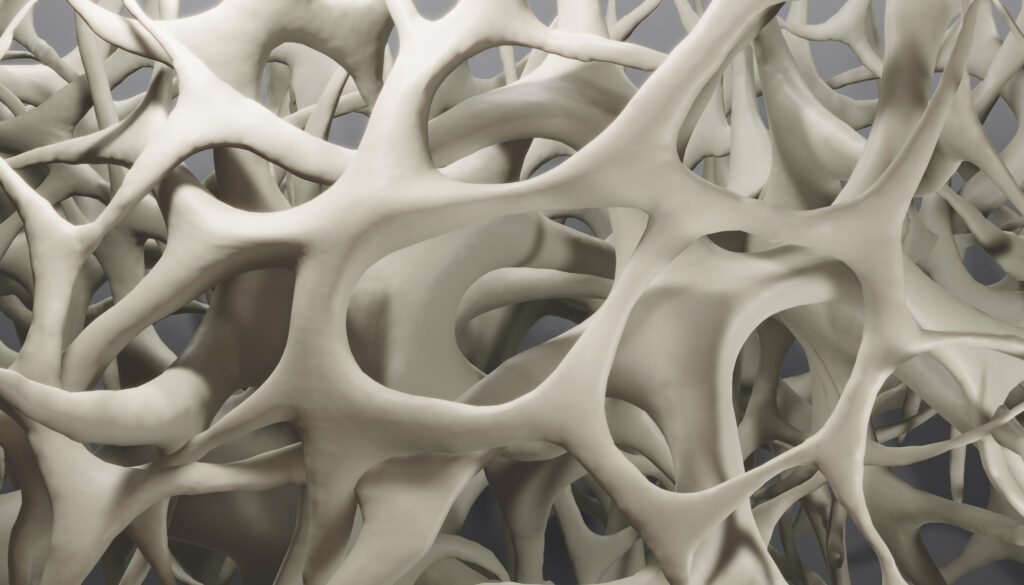
Beyond dexa scores: the resilience of endurance athletes in ultramarathon
Share
Facebook Twitter Reddit Telegram Pinterest Email

Osteoporosis is often misunderstood, particularly in the context of endurance athletes who typically prioritize performance metrics over bone health. Many athletes fear low bone mineral density (BMD) as a direct precursor to poor performance or injury, leading them to overlook critical aspects of their overall strength and functionality. In reality, a low BMD score does not guarantee a high risk of fractures, nor does it necessarily equate to frailty. Instead, performance and fracture risk are determined by a multifaceted relationship between bone health, the body’s functional strength, and overall physiological adaptability.

Research indicates that many fractures occur in individuals who do not fit the classical osteoporosis profile based on BMD scores, suggesting that BMD alone is an incomplete diagnostic tool. For endurance athletes, this presents an important consideration: your functional capacity, including strength-to-weight ratios, neuromuscular control, and overall physical resilience, may be more relevant to your athletic performance and injury prevention than your bone density numbers alone. Factors such as muscle strength, body composition, and the ability to control balance during activities have been shown to be superior predictors of real-world performance outcomes. Accordingly, pulling together your training regimen should encompass strategies beyond just monitoring bone density.

An important aspect to consider is how body mass and muscle composition influence performance. Endurance athletes often focus on reducing body weight to enhance efficiency, yet low body weight can compromise the ability to withstand physical stress, which can lead to injury. Maintaining or even increasing lean muscle mass can improve performance while also providing a protective effect on bone health. Muscle is essential not only for metabolic efficiency but also for stabilizing joints and providing the strength needed to execute various movements effectively. As an athlete, your training should optimize this relationship by incorporating strength and resistance training alongside your endurance work.

In practice, this translates to ensuring that your training plan incorporates strength training elements that focus on enhancing muscle mass and strength relative to your body weight. Functional strength training can aid in reinforcing the biomechanics of your endurance activities. As many injuries occur due to falls or awkward movements rather than simply through overuse, it is essential to include exercises that improve your reaction time, balance, and proprioception. This strategic approach can enhance your ability to avoid accidents during training and races.

Nutritionally, endurance athletes must be acutely aware of their fueling strategies and how they correspond to their overall performance. While carbohydrate timing and protein intake are fundamental, it is also vital to account for nutrients that support bone health, like calcium and vitamin D. However, relying solely on these supplements without addressing broader dietary patterns may not be sufficient. Instead, emphasize a balanced nutrition plan that considers the synergistic effects of different nutrients. Whole foods that are rich in these elements, along with a well-timed distribution of intake around workouts, can enhance not only performance but also the biochemical processes necessary for recovery and bone health.

Hydration also plays a crucial role. Dehydration can negatively affect performance and bodily functions, from nutrient absorption to muscle contraction efficiency. Ensuring adequate hydration supports both metabolic efficiency and recovery processes. Pay attention to how your body responds to hydration strategies, modifying your approach based on environmental conditions and training intensity. Not only does this need to be a focus during training, but also in races where hydration status can lead to either optimized performance or unexpected fatigue.

Recovery is a critical period that endurance athletes cannot overlook, especially when considering how functional strength training and proper nutrition tie into the body’s ability to bounce back. Post-training, prioritize nutrient timing to optimize recovery. Consuming a combination of proteins and carbohydrates shortly after your workouts can assist in replenishing glycogen stores and repairing muscle tissue. But remember that emotional and psychological recovery is also vital, as mental fatigue can affect athletic performance significantly. Incorporate stress management techniques like mindfulness or sufficient sleep hygiene into your recovery routine; they contribute positively to overall performance and well-being.

As you direct your efforts toward endurance training and racing, don’t allow the myopic focus on BMD numbers to define your capabilities or your trajectory. Emphasize building functional strength, improving muscle mass through targeted resistance training, and listening to the actionable insights your body provides. The best performance strategy is one that recognizes that an athlete’s capacity isn’t merely encapsulated by their bone density score but lies much deeper in their holistic physical prowess and adaptive capabilities.

One realistic takeaway is this: focus on integrating strength training into your existing endurance routine to improve your strength-to-weight ratio and overall functional capacity. This approach not only aids in performance but also fortifies your body against potential injury, ensuring you are well-prepared for the challenges that endurance racing often entails.

Athletes DEXA Endurance recovery Resilience Scores Ultramarathon
Share. Facebook Twitter Pinterest LinkedIn Telegram Reddit Email
Previous ArticleBrave Marathon Mom Triumphs Through Double Mastectomy and Hysterectomy Challenges
Next Article

Brooks Cascadia 19 Review: The Ultimate Balance of Comfort and Agility for Trail Running

karan.kanishk
Staff Writer
  • Website

Related Posts

Endurance Athlete’s Resilience: Overcoming Hamstring T-Junction Injuries in Ultramarathon Training

January 8, 2026

Boston Marathon Survivor Rebekah Gregory Defies Odds, Completes Epic Ultramarathon.

January 3, 2026

Endurance Athletes: Overcoming Concussion Symptoms to Achieve Unstoppable Performance

December 30, 2025

Grand Slam Track Secures $3.25 Million Loan Amid Bankruptcy, But Athletes Will Miss Out

December 29, 2025

How Taking a Break From Endurance Training Affects Your Brain: Insights from Neuroscience

December 24, 2025

3 Resilient Principles for Endurance Athletes Overcoming Lateral Hip Pain

December 23, 2025
Add A Comment
Leave A Reply Cancel Reply

Stay In Touch
Don't Miss

New Gear Innovations Boost Performance for Upcoming UTMB Qualifiers

By Staff WriterJanuary 14, 2026

In recent years, the landscape of trail and ultrarunning continues to evolve, influenced by a…

Unlock the Benefits of Using a Massage Gun for Effective Warm-Ups: Expert Insights

January 14, 2026

Trail Running Thrills: Upcoming 100K Races and UTMB Qualifiers to Watch!

January 13, 2026

Swedish Runner Andreas Almgren Sets New European 10K Record with Fastest Time Ever Uploaded to Strava

January 13, 2026

Subscribe to Updates

Subscribe to our newsletter and stay updated with the latest news and exclusive offers.

About Us
About Us

Welcome to All About Ultras, your ultimate destination for everything related to endurance sports, with a special focus on running. Whether you're a seasoned ultra marathoner, a weekend warrior, or just starting your journey into long-distance running, we are here to inspire, inform, and support you.

Our Picks

Swedish Runner Andreas Almgren Sets New European 10K Record with Fastest Time Ever Uploaded to Strava

January 13, 2026

Paralyzed Runner Defies Odds to Win Ironman in Hawaii, Inspires Millions

January 13, 2026

Trail Running Soars: New Gear Empowers 100-Mile Races at UTMB 2023

January 12, 2026
New Comments
    • About Us
    • Contact Us
    • Privacy Policy
    • Terms and Conditions
    • Disclaimer
    © 2026 All About Ultras. All Rights Reserved.

    Type above and press Enter to search. Press Esc to cancel.

    Sign In or Register

    Welcome Back!

    Login to your account below.

    Lost password?