


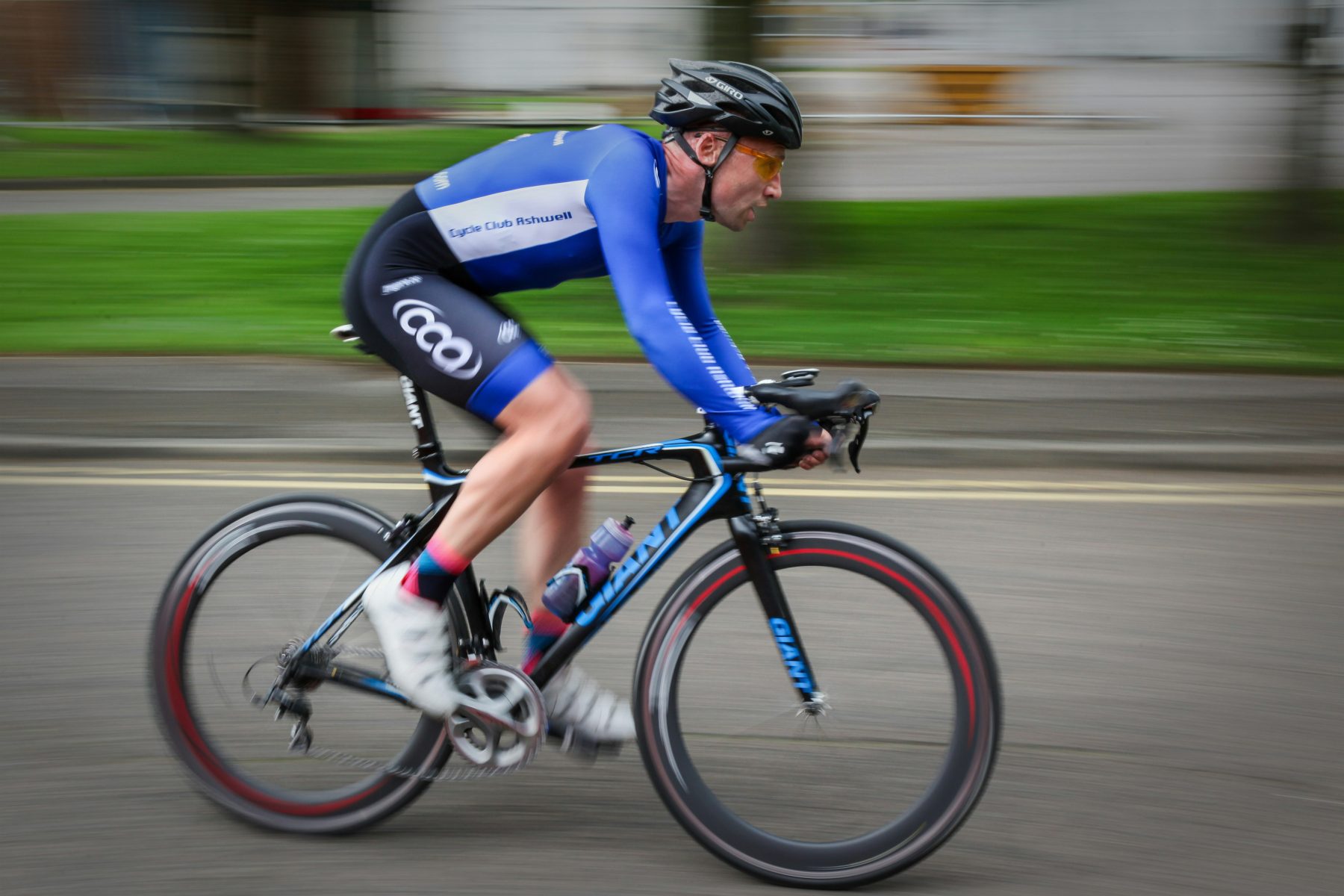
As you approach race week, the focus on tapering becomes critical for endurance athletes, particularly those competing in long-duration events under challenging conditions. Observing the nuances of tapering is essential, not merely to reduce training volume, but to fine-tune your body’s readiness to perform at its peak. Proper tapering means diminishing accumulated training stress without abruptly halting your workout regimen.
Understanding how to strategically manage your training load during this period involves careful monitoring of key metrics such as Chronic Training Load (CTL), Acute Training Load (ATL), and Training Stress Balance (TSB). The goal should be to create a TSB in the range of +10 to +20 on race day, allowing for a good retention of fitness while minimizing fatigue. This “freshness” metric can be a more reliable predictor of performance potential than CTL alone. For various race distances, adjustments in CTL during the final phase differ. Athletes engaging in half-marathons or 70.3 events typically aim for a 5–7% reduction in CTL within the last 10 to 14 days, whereas marathoners and Ironman competitors might opt for a more significant drop of around 10%. The delicate balance in tapering helps to unlock your fitness rather than sacrificing it.
To optimize your nutrition during the taper, consider timing your carbohydrate intake to enhance glycogen replenishment. The days immediately preceding the race are crucial for ensuring that muscle glycogen levels are maximized. Consuming complex carbohydrates earlier in the day coupled with high-glycemic index carbohydrates closer to the race can provide readily accessible energy. This practice aligns well with your body’s heightened insulin sensitivity post-exercise, effectively fueling your training while ensuring your digestive system remains balanced and capable of handling pre-race demands.
Gut tolerance is another factor that cannot be underestimated. Practicing your race-day nutrition during training sessions helps to refine your fueling strategies, ensuring you understand what works for your body and what doesn’t. Whether it’s the type or timing of gels, chews, or electrolyte drinks, establishing a robust understanding of how your body reacts to various fuel types under load is invaluable. Experimentation should be prioritized during your quality training sessions rather than in the taper, where you are primarily focused on recovery and maintenance.
Hydration is equally critical, particularly as you scale back your physical output. Evaluating how factors like ambient temperature and humidity during your race could impact hydration levels is crucial. Engaging in an electrolyte strategy that maintains sodium and potassium balance can mitigate peripheral fatigue and cramping, thus maintaining performance. It’s advisable to consume electrolytes well leading into the race rather than solely relying on in-race attempts at hydration.
Metabolic efficiency plays a vital role, especially as you’re preparing to tap into fat stores during longer events. Training that enhances fat oxidation particularly during the taper can set you up for optimal race performance. Consider incorporating specific sessions where you maintain a steady state at an intensity that encourages fat utilization; this can solidify your metabolic pathways just in time for race day.
While the main objective is to allow your body to recover, it’s equally important to maintain some intensity. During the taper, shorter, focused workouts that emphasize speed or race-specific efforts can keep neuromuscular connections sharp without excessively taxing your recovering system. Engaging in these types of sessions also acts as a psychological booster, reinforcing your confidence while ensuring that your body remains accustomed to the required effort levels.
Achieving effective recovery should extend beyond merely reducing your workout intensity and volume. Addressing aspects of sleep, stress management, and mental load centers on fostering an optimal hormonal environment conducive to recovery. Implementing strategies such as relaxation techniques, mindfulness practices, or even light stretching can have substantial benefits, particularly as race day approaches. It is imperative not to neglect the influence of mental preparedness; your mindset can often enhance or detract from your physical readiness.
Rather than attempting to gain any additional fitness during the taper, the objective is to unlock the potential that your training has instilled. Every training block culminates in this moment, and mindful tapering strategies allow you to harness what you have already built.
A useful takeaway going forward is to meticulously document your taper experience through structured tracking—whether it’s using TrainingPeaks or similar platforms. Monitoring how your CTL, ATL, and TSB metrics respond in the days leading up to the race provides meaningful insights. Did you achieve the desired balance? Did your body respond favorably in terms of energy levels and performance? Over time, these records will help you refine your approach to tapering, ensuring not only better preparedness for races but also enhancing overall endurance training strategies. Focus on refining your unique taper blueprint, and you’ll likely unlock the performance heights you aim for on race day.
