


Exploring the Marathon des Sables: A Unique Ultrarunning Experience
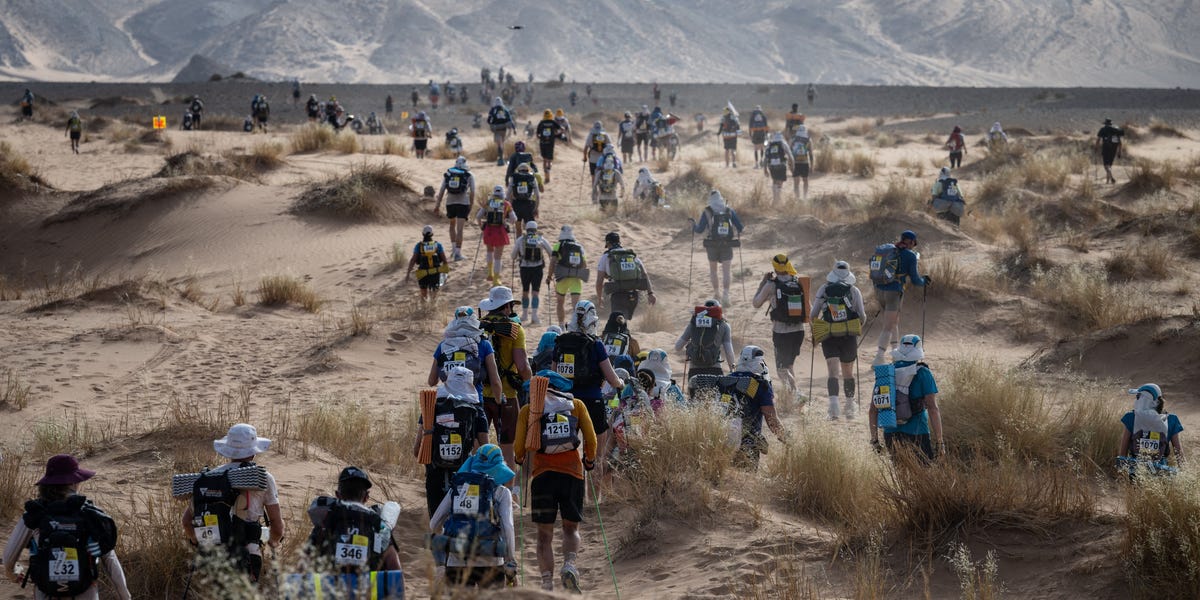
The Marathon des Sables, often referred to as MdS, is an extraordinary ultrarunning event held annually in the southern Moroccan Sahara, the largest hot desert in the world. Since its inception in 1986, this seven-day race, which covers approximately 250 km divided into six stages, has captivated endurance enthusiasts globally. The challenge is not just the distance, but the harsh conditions runners face, making it a memorable experience for all participants.
Origin of the Marathon des Sables
The brainchild of French concert promoter Patrick Bauer, the Marathon des Sables was inspired by his own trek across the Sahara in 1984, where he covered 350 km on foot. After two years of planning, he launched the MdS with just 23 competitors, all captivated by the allure of the desert. Today, the race has evolved, with over 30,000 individuals completing the course, joining a community of like-minded adventurers.
Upcoming Editions: When is the MdS?
The 39th edition of the Marathon des Sables is set to take place from April 6 to April 12, 2025. This much-anticipated event follows a structured schedule packed with race briefings, preparation, and awards ceremonies—all designed to provide participants with an unforgettable experience in Morocco. Those interested in participating should act quickly, as slots fill rapidly with eager adventurers from across the globe.
The Challenge: How Hard is the MdS?
Running in the MdS is a test of endurance, resilience, and mental fortitude. Participants face extreme temperatures that can reach up to 50°C during the day and drop to -6°C at night. The terrain, with its rocky patches, endless sand dunes, and the necessity of carrying heavy packs containing all equipment except water, amplifies the difficulty. Participants must also contend with lack of sleep and potential sandstorms that can disrupt visibility, adding further complications to the race.
However, the event boasts a high completion rate, with around 90% of participants finishing the race. This is due in part to the generous cut-off times of 3.5 km/h, accommodating different pacing strategies, including those of walkers.
Daily Breakdown: Stages and Distances
While the precise route and specific distances for each stage are announced on the eve of the event, the total distance remains consistent at roughly 250 km. The stages typically range from marathon distances, with one notably longer stage to challenge even the most seasoned runners. For instance, in the 2024 event, distances ranged from 21.1 km on the final day to a hefty 85.3 km stage, which required competitors to endure through the night.
Weather Conditions: What to Expect
Running in the Sahara is not for the faint-hearted. Runners must prepare for unpredictable conditions, from scorching heat to chilling winds, and a combination of dusty terrain. Sandstorms can arise with impressive force, leading to reduced visibility and necessitating stops for safety protocol. As highlighted in a past edition, a competitor was even lost for nine days due to a sandstorm, emphasizing the need for strategic navigation during the race.
Camaraderie Amidst Challenges
Despite the grueling conditions, participants frequently express appreciation for the sense of camaraderie that flourishes during the event. With communal camps set up for sleeping and recovery, competitors form bonds that often last long after the race concludes. This shared experience fosters an encouraging atmosphere, allowing runners to support each other as they navigate the challenges of the desert.
Essential Equipment for Participants
Registered participants receive a comprehensive checklist detailing necessary gear. A typical kit includes hydration packs, specific trail shoes, a variety of clothing suitable for hot days and cooler nights, and essential hygiene products. Additionally, basic survival items such as a compass, first aid provisions, and a sleeping bag are essential for ensuring safety and readiness over the course of the race.
Entry Requirements: How to Join the Race
Open to participants aged 18 and above from any country, the MdS does not necessitate qualifying times for entry. However, prospective participants must submit a valid medical certificate alongside a resting ECG report. While no ballot system exists, the race routinely fills its slots quickly, inviting intense competition from ultrarunners and adventure-seekers alike.
The Cost of Adventure
Participating in the Marathon des Sables comes with its costs. Standard registration, including two nights’ accommodation, starts at €3,890, rising to €4,290 for those seeking higher-end lodging. This fee covers race essentials, including a bib number and on-site support, ensuring a well-organized experience for all entrants.
Wrapping Up: Join the Adventure
With remarkable challenges and a supportive community, the Marathon des Sables stands as one of the ultimate tests for endurance athletes. For anyone considering joining this incredible journey, keep an eye out for registration opportunities, and prepare for an experience that promises to test every limit. With the next MdS just on the horizon, now is the time to lace up those running shoes and take that first step toward adventure in the Sahara.
