


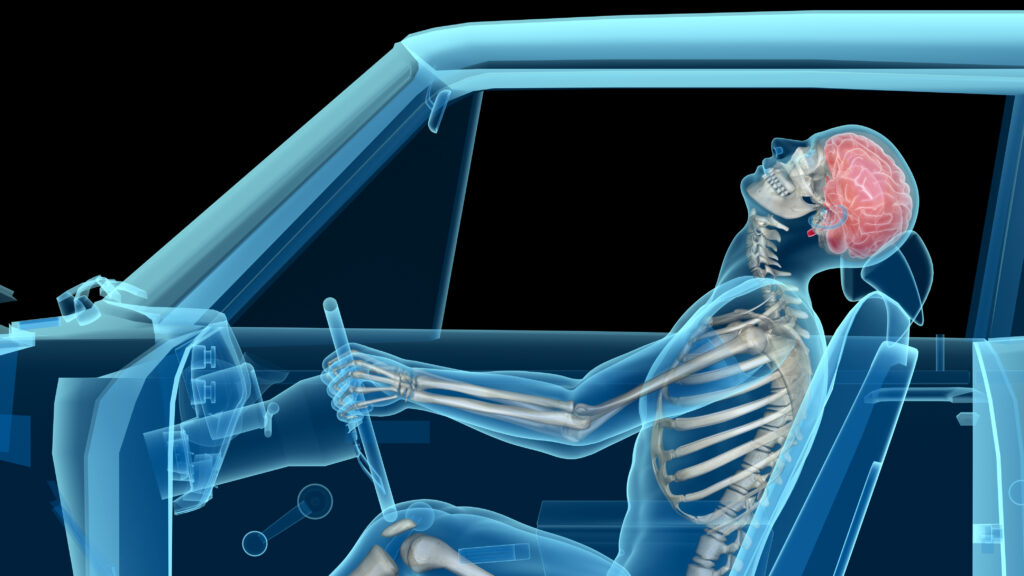
In the realm of endurance athletics, challenges often emerge not only from training intensities and environmental adversities but also from the complexities of the human body responding to these stresses. A case study focused on a persistent whiplash injury offers a poignant illustration of how physical and psychological factors intersect, providing insights that can be readily applied to long-duration athletes grappling with the demands of training and racing.
Take, for instance, the story of Avantika, a 43-year-old athlete who, after suffering a road traffic accident, faced not just physical pain but a psychological hurdle that paralleled her physical recovery. Her progression from vibrant independence to grappling with debilitating symptoms serves as a reminder of how vulnerability can infiltrate an athlete’s life when the body is not fully responsive. Endurance athletes can relate; there are times when one’s body may not perform as expected, leading to a cascade of concerns about one’s fitness, mental fortitude, and race readiness.
When preparing for long-duration events, an athlete’s ability to manage stress—both physical and psychological—becomes paramount. In Avantika’s experience, symptoms like persistent neck pain, headaches, and anxiety manifested after a physical trauma. Similarly, endurance athletes may confront challenges such as gastrointestinal discomfort or anxiety during high-stakes races. The relationship between physical symptoms and psychological response is crucial and often overlooked. In fact, understanding this interconnectedness can enhance performance and recovery protocols significantly.
A focal point in management lies in the importance of individualized approaches to training and recovery. Just as Avantika needed a tailored rehabilitation strategy addressing not merely her physical limitations but also her psychological barriers, endurance athletes must recognize that their hydration strategy, nutrition timing, and fueling strategies should be customized to their unique tolerances and responses. Evidence suggests that a one-size-fits-all approach can be detrimental, highlighting the importance of understanding how your body responds to various stimuli, be it nutritional timing before a race or specific hydration tactics during training sessions.
Nutritional timing plays a significant role in endurance performance and recovery. For athletes engaged in prolonged exercise sessions, introducing caloric intake at strategic intervals can delay fatigue and enhance metabolic efficiency. Just as Avantika learned to reframe her understanding of pain from damage to sensitivity, endurance athletes can benefit from a similar reframing of how their bodies utilize glycogen stores and fat metabolism during prolonged efforts. Knowing when to fuel, with which substrates, and in what amounts can make the difference in sustaining energy levels throughout a race or recovery period.
Endurance athletes also need to consider gut tolerance as a critical factor. Just as Avantika’s symptoms indicated sensitivity, prolonged physical activity introduces competition for blood flow within the body. This can lead to gastrointestinal distress if fueling strategies are not carefully managed. Practitioners emphasize practice; athletes must experiment with their fuel choices during training—whether gels, chews, or liquids—to ascertain what supports their performance without causing distress. Identifying the right balance between optimizing carbohydrate availability and managing gastrointestinal comfort is imperative.
As the journey through training unfolds, the role of supplementation can be valuable. However, intuition should reign supreme. Supplements should complement a well-rounded nutritional plan rather than serve as a shortcut. Vitamins and minerals that target deficiencies, such as magnesium for muscle function and recovery or electrolytes during endurance events, are necessary. Supplementation should reinforce dietary efforts, with attention to how these elements affect individual performance. This conscious integration of supplementation into an overall training strategy can enhance recovery and performance.
Hydration strategies remain central to endurance performance. The body is a dynamic system that requires agile responses to fluid needs based on sweat rates, temperature, and exercise intensity. Athletes who neglect hydration during training or races may find their performance falters, similar to how Avantika discovered that her body’s protective reactions hindered her progress. It is critical to integrate hydration plans into training routines, ensuring athletes test their fluid replacements in varied environmental conditions to identify optimal strategies.
Lastly, recovery optimization is essential for sustaining performance over time. Athletes must appreciate that recovery is multifaceted and should encompass both physical and psychological perspectives. Techniques such as mindfulness, cognitive behavioral strategies, or even simple self-reflection can enhance recovery outcomes much like the progressive rehabilitation discussed in Avantika’s journey. Building a robust recovery plan involves nurturing not only the muscles but also the mind, promoting an environment where athletes can feel secure, in control, and capable of managing adversity.
In weaving together these lessons from Avantika’s experience, endurance athletes can glean insights into the importance of a comprehensive training approach that values the intertwined nature of body and mind. The takeaway here is clear: listen to your body. Your training and racing strategies should be highly personalized, consistently reflecting your body’s responses, needs, and limits. Ignoring these signals can mean the difference between simply completing an event and performing at one’s best.
