


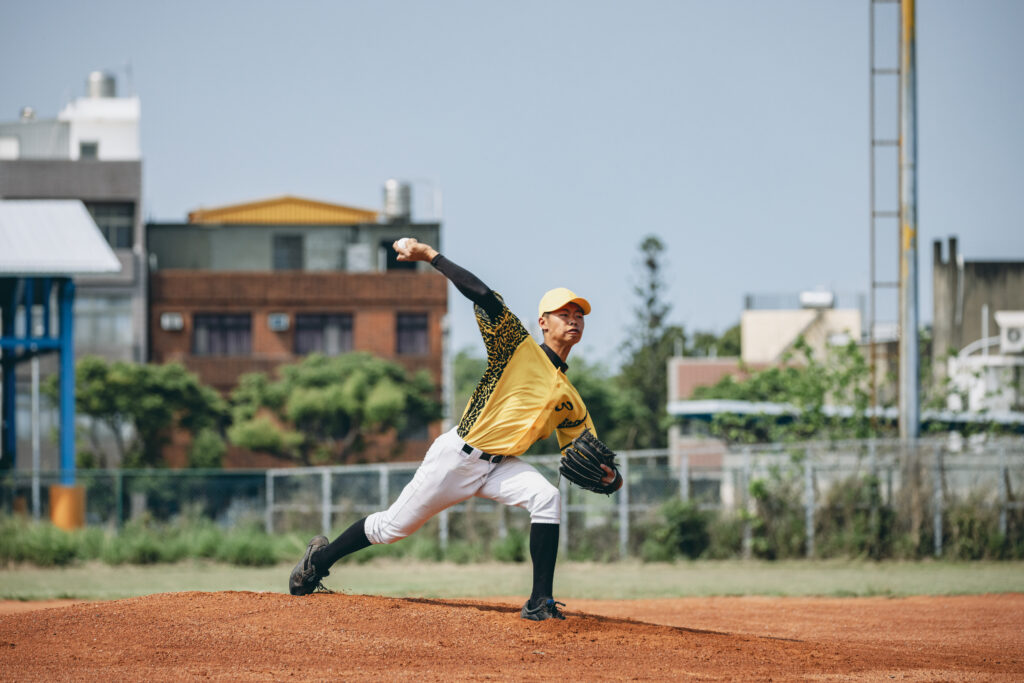
Ulnar Collateral Ligament (UCL) injuries are becoming increasingly prevalent among athletes, especially in throwing sports, and this trend is also influencing endurance athletes in ways that may not seem immediately obvious. For an experienced endurance athlete engaged in long-duration training and racing, understanding how UCL injuries can arise and impact performance is crucial, even if you’re not directly involved in throwing sports. The emphasis on technique, velocity, and the repetitive nature of long-duration activities lends itself to similar types of injuries, raising awareness of injury prevention strategies that can inform overall athletic performance.
Firstly, the mechanism of injury for the UCL involves significant valgus stress during throwing, a principle that translates to endurance sports where repetitive motion is involved. As athletes engage in prolonged activities such as ultramarathons, cycling, or multi-sport events, they often rely on the dynamic stability of their joints and muscles to manage the rigors of their sport. Those who perform strength training or other resistance exercises may inadvertently put similar stresses on the joints that can lead to wear-and-tear injuries, especially if those exercises involve rotational movements or stress on the upper body.
The rise in injuries among younger athletes is particularly concerning. As training intensifies and athletes push for optimal velocity and performance, the potential for UCL injuries—and by extension, similar joint issues—escalates when there isn’t enough recovery time to allow tissues to adapt and strengthen. For endurance athletes, this highlights the importance of periodization in training and adequate recovery protocols that allow not only for physical recovery but also for a focus on technical skills that can minimize strain.
When assessing a potential injury or discomfort in your training, it’s essential to approach it as you would an endurance challenge. Just as you wouldn’t ignore signs of fatigue or dehydration, recognizing the subtle signs of a UCL injury or related issues becomes paramount. For instance, if you experience discomfort during specific movements—like gripping a water bottle or lifting weights—this can signal that joint integrity is compromised. Often the indicators of strain are not overt but manifest as vague symptoms that don’t immediately suggest a serious issue. It’s crucial to know how to examine these symptoms within the context of your broader training regimen.
Advanced strategies in injury assessment, including palpation and special tests, also apply here. A physiotherapist might check for tenderness around critical joints or muscles, just as you would assess areas that tighten or cramp during a race. Maintaining an acute awareness of how certain exercises impact joint health is beneficial for preventing injuries that could sideline your performance. Similarly, ensuring that when your training load increases—whether through mileage, speed work, or strength sessions—you also incorporate sufficient warmth-up routines and recovery modalities, thereby giving adequate attention to muscle balance and joint stability.
Moreover, recovery optimization isn’t solely a post-race concern—it must be an integral component throughout your training cycle. Non-surgical management for injuries often emphasizes rest and gradual re-introduction to activity. Athletes must adopt a similar mindset when it comes to hydration strategies. Understanding when and how to refuel can greatly influence not only performance but recovery. For endurance training, fueling strategies often revolve around carbohydrate timing and the seamless integration of electrolytes to maintain gut tolerance over extended periods.
Nutrition timing is another critical component. There’s an emerging consensus that post-exercise nutrient – particularly carbohydrates and protein – should be consumed within a 30-minute window after training. Similarly, many endurance athletes benefit from having structured recovery meals that emphasize anti-inflammatory foods, which can serve to support soft tissue health and facilitate overall recovery as part of a broader metabolic efficiency strategy.
In addition to nutrition, it’s beneficial to understand the role of supplements, which can complement your training and recovery. Omega-3 fatty acids, for example, are known for their anti-inflammatory properties and may help in the recovery process by reducing soreness and joint stiffness. Periodic supplementation with vitamin D and magnesium can also regulate muscle function and mitigate fatigue, thereby enhancing your performance sustainably.
Ultimately, while UCL injuries may not directly apply to all types of endurance athletes, understanding their mechanism can help inform injury prevention strategies. The implication for your training is threefold: cultivate an awareness of how joint dynamics affect overall performance, prioritize easy-to-implement recovery practices post-training, and maintain a rigorous nutrition strategy focusing on timing, quality, and gut tolerance.
The key takeaway for endurance athletes is to approach each training session with an acute awareness of your body’s signals. Incorporate effective recovery practices that not only aid immediate restoration but also bolster long-term joint health. Listen to your body and adapt as necessary—this attention to detail will allow you to sustain optimal performance, reduce injury risk, and ultimately enjoy your endurance pursuits long-term.
