Close Menu
All About Ultras
  • News
  • Races
  • Nutrition
  • Culture
  • Tools
    • UTMB Ballot Calculator

Subscribe to Updates

Subscribe to our newsletter and stay updated with the latest news and exclusive offers.

What's Hot

Trail Running Breakthroughs: New Gear Elevates 100K and 100-Mile Races

January 31, 2026

The Fine Line Between Strava Rivalry and Harassment: A Runner’s Obsession to Erase a Competitor

January 31, 2026

Thousands Join 2026 Colchester Half Marathon to Support Local Cancer Fighters

January 31, 2026
Facebook X (Twitter) Instagram
All About Ultras
Login
  • News

    Trail Running Breakthroughs: New Gear Elevates 100K and 100-Mile Races

    January 31, 2026

    Trail Running Revolution: New Gear Innovations Boost 100-Mile Race Performance

    January 30, 2026

    Trail Running Takes Center Stage: New Gear and UTMB Qualifiers Announced!

    January 29, 2026

    Trail Running Thrills: New Gear Boosts Performance at UTMB Qualifiers

    January 28, 2026

    Trail Running Revolution: New Gear Boosts Performance in UTMB Qualifiers!

    January 27, 2026
  • Races

    The Fine Line Between Strava Rivalry and Harassment: A Runner’s Obsession to Erase a Competitor

    January 31, 2026

    Snowdrop 55 Hour Ultra Race: Honoring Chelsey Campbell’s Legacy and Supporting Pediatric Cancer Survivors

    January 30, 2026

    Comprehensive Review of the Kiprun 10L Running Vest: Versatile and Efficient for Trail Adventures

    January 29, 2026

    Register Now for the Griffith Park Run Half Marathon and 5K on February 1st to Support Los Angeles Parks

    January 28, 2026

    Ironman Increases Draft Zone for Pro Athletes from 12 to 20 Meters, Enhancing Race Dynamics with RaceRanger Technology

    January 27, 2026
  • Nutrition

    Endurance Athlete’s Journey: Resilience Through Ulnar Collateral Ligament Recovery

    January 29, 2026

    Endurance and Resilience: How Vitamin D Fuels Ultramarathon Success

    January 27, 2026

    Resilient Recovery: 4 Endurance Strategies for Overcoming Patellofemoral Pain

    January 23, 2026

    Beyond Prostatectomy: Endurance Athletes’ Journey to Recovery and Performance

    January 16, 2026

    Endurance Athlete’s Resilience: Overcoming Hamstring T-Junction Injuries in Ultramarathon Training

    January 8, 2026
  • Culture

    Thousands Join 2026 Colchester Half Marathon to Support Local Cancer Fighters

    January 31, 2026

    Paralyzed Runner Tackles 50-Mile Race in Stunning Mountain Journey for Hope

    January 29, 2026

    From Captivity to Champion: Survivor Shatters Ultramarathon Record in Endurance Race

    January 27, 2026

    Canadian ultrarunner breastfeeds baby en route to 100-km victory in stunning race

    January 25, 2026

    Daughter of Gosport Dad Lost to Brain Cancer Runs London Marathon Challenge

    January 23, 2026
  • Tools
    • UTMB Ballot Calculator
All About Ultras
Home»Races»How Elite Triathletes at the Ironman World Championship Implement High-Carb Fueling Strategies to Enhance Performance
Races

How Elite Triathletes at the Ironman World Championship Implement High-Carb Fueling Strategies to Enhance Performance

Staff WriterBy Staff WriterOctober 17, 2025No Comments4 Mins Read
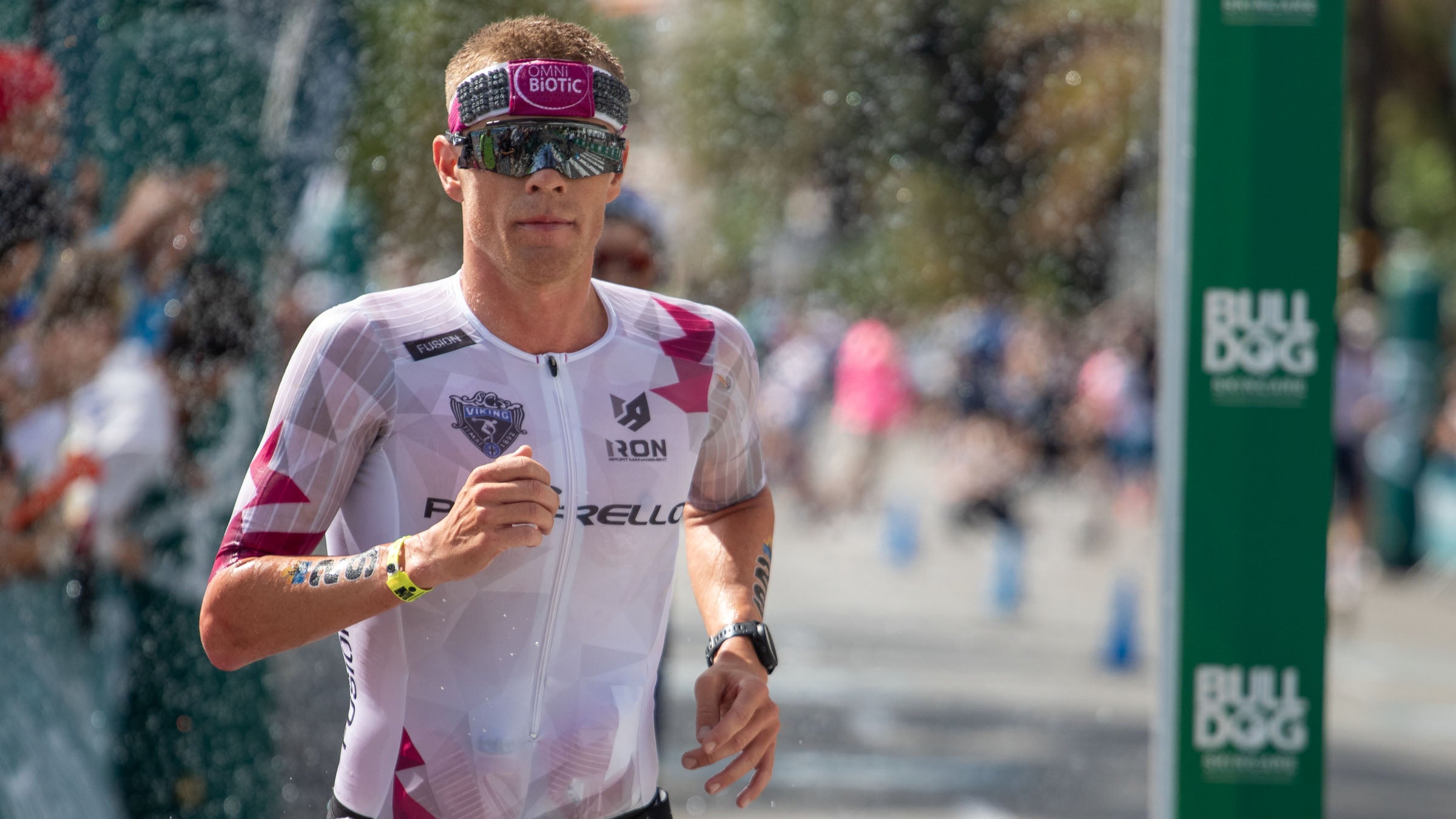
How elite triathletes at the ironman world championship implement high carb
Share
Facebook Twitter Reddit Telegram Pinterest Email

Published October 17, 2025 06:00AM

The Ironman World Championship has emerged as a significant platform for the “carbohydrate revolution”. This movement emphasizes the essential role carbohydrates (carbs) play in optimizing athletic performance. Athletes are continually exploring new avenues in sports nutrition, and the high-carb fueling strategies showcased during the Ironman World Championship races in Nice and Kona have illustrated the remarkable progress being made.

The Rise of High-Carbohydrate Fuels

For the past 15 to 20 years, the guidelines for fueling in endurance sports have transformed dramatically. Initially, recommendations suggested athletes consume roughly 60 grams of glucose per hour, a figure largely predicated upon limitations in intestinal absorption. However, advancements in research, particularly regarding the combination of glucose and fructose, have demonstrated that these mixtures can enhance carbohydrate absorption rates.

From 2010 to 2013, the recommendations evolved to suggest consumption levels of 60-90 grams per hour for events lasting longer than 2.5 hours. More recent studies indicate that elite athletes participating in events like the Giro d’Italia, Tour de France, and Ironman events perform best when consuming 90 to 120 grams per hour. This shift allows for better recovery and reduced muscle fatigue.

The pros competing this year at the Ironman World Championship have taken these findings to heart, with many athletes routinely consuming 120 grams or more per hour, pushing beyond what current research suggests.

Fueling Strategies from the Pros in Nice, France

Casper Stornes (NOR)

Performance Summary: Casper Stornes achieved a remarkable victory with a time of 7:51:39, including a groundbreaking run split of 2:29:25—the first sub-2:30 marathon in Ironman World Championship history.

Fueling Breakdown:

  • Pre-Swim: ~60 grams of carbs
  • T1: 80-100 grams
  • Bike: 175-180 grams carbs, 720 calories/hour
  • Run: 100-120 grams carbs, 400-480 calories/hour

In total, Stornes consumed approximately 182 grams of carbs per hour, which is a crucial aspect of maintaining high performance, confirming the effective training of his gut to handle substantial carbohydrate intake without any gastrointestinal distress.

Kristian Blummenfelt (NOR)

Performance Summary: Coming in third, Blummenfelt clocked in at 7:56:36, showcasing the fourth-fastest bike split at the event.

Fueling Breakdown:

  • Bike: 177 grams carbs, ~710 calories/hour
  • Run: ~130 grams carbs, ~520 calories/hour

Similar to Stornes, Blummenfelt’s fueling plan underscores the importance of meticulous preparation and testing to ensure optimal nutrient intake during the race.

Jamie Riddle (RSA)

Performance Summary: Riddle finished 10th with a time of 8:15:00 during his rookie Ironman.

Fueling Breakdown:

  • Fueling Totals: 130 grams carbs, 520 calories, 878 mg sodium/hour

Riddle’s strategy, while less intensive than that of his competitors, still highlighted the crucial role that adequate fueling plays in achieving a competitive result in a major endurance event.

Fuelling Strategies from the Pros in Kona, Hawaii

Solveig Løvseth (NOR)

Performance Summary: Winning first place, Løvseth finished in 8:28:27 with a strong marathon split.

Fueling Breakdown:

  • Pre-Race: Included multiple high-carb items such as gels and toast.
  • Bike: ~145 grams carbs, 41 oz of fluid, and 1,103 mg sodium/hour
  • Run: 139 grams carbs, 63 oz of fluid, and 1,536 mg sodium/hour

Løvseth’s approach illustrates how targeted training on gut tolerance can lead to successful fueling, especially in challenging conditions.

Kat Matthews (GBR)

Performance Summary: Matthews came in second with a time of 8:29:02, setting a new Kona run course record.

Fueling Breakdown:

  • Breakfast: 150 grams carbs
  • Run: ~60 grams carbs, 500-1000 mg sodium/hour

Matthews’ strategy demonstrates effective planning and adaptation to the rigors of race day, validating the significance of consistent training for gut tolerance.

Expert Analysis and Implications for Age-Group Athletes

Fueling strategies employed by elite athletes remind us that consuming 180 grams of carbs per hour is aggressive but essential for their specific demands. For age-group athletes, however, racing at lower intensities for extended durations requires a different approach. Attempting to mimic a pro’s fueling strategy can lead to adverse effects.

Most age-group athletes benefit from consuming 70-90 grams of carbs per hour, which is generally sufficient for optimal performance. Effective and practical fueling in endurance sports must match the individual’s training level, capacity, and environmental conditions.

The truth remains—training and racing are lifestyle activities for many individuals balancing private and professional responsibilities. Hence, meticulous metabolic testing and gut training may not always be feasible.

For age-group athletes struggling to maintain energy levels despite consuming ample carbs, metabolic testing may help to refine their fueling strategy. The right approach is to practice fueling at race intensity during training to ensure familiarity, which can lead to better results on race day.

In sum, the carbohydrate fueling strategies employed by professional triathletes this year in Nice and Kona highlight a significant method to enhance performance. However, these high-carb plans may not suit every athlete, especially when considering the unique needs of age-group competitors. Individualized fueling plans crafted from extensive training and testing can yield the best race results, regardless of one’s competitive level.

Championship Elite Enhance FUELING h3How HIGHCARB Implement Ironman Performanceh3 Strategies Triathletes world
Share. Facebook Twitter Pinterest LinkedIn Telegram Reddit Email
Previous ArticleNew Gear Innovations Propel Trail Runners in Upcoming UTMB Qualifiers
Next Article Elevate Your Trail Game: New Gear Breakthroughs for 100K Races
karan.kanishk
Staff Writer
  • Website

Related Posts

The Fine Line Between Strava Rivalry and Harassment: A Runner’s Obsession to Erase a Competitor

January 31, 2026

Snowdrop 55 Hour Ultra Race: Honoring Chelsey Campbell’s Legacy and Supporting Pediatric Cancer Survivors

January 30, 2026

Comprehensive Review of the Kiprun 10L Running Vest: Versatile and Efficient for Trail Adventures

January 29, 2026

Register Now for the Griffith Park Run Half Marathon and 5K on February 1st to Support Los Angeles Parks

January 28, 2026

Ironman Increases Draft Zone for Pro Athletes from 12 to 20 Meters, Enhancing Race Dynamics with RaceRanger Technology

January 27, 2026

French Runner Aurore Fleury Suspended for Six Months Over Betting on Colleague’s Race

January 26, 2026
Add A Comment
Leave A Reply Cancel Reply

Stay In Touch
Don't Miss

Trail Running Breakthroughs: New Gear Elevates 100K and 100-Mile Races

By Staff WriterJanuary 31, 2026

As February kicks off, the North American ultramarathon calendar sees a notable density of events,…

The Fine Line Between Strava Rivalry and Harassment: A Runner’s Obsession to Erase a Competitor

January 31, 2026

Thousands Join 2026 Colchester Half Marathon to Support Local Cancer Fighters

January 31, 2026

Trail Running Revolution: New Gear Innovations Boost 100-Mile Race Performance

January 30, 2026

Subscribe to Updates

Subscribe to our newsletter and stay updated with the latest news and exclusive offers.

About Us
About Us

Welcome to All About Ultras, your ultimate destination for everything related to endurance sports, with a special focus on running. Whether you're a seasoned ultra marathoner, a weekend warrior, or just starting your journey into long-distance running, we are here to inspire, inform, and support you.

Our Picks

Trail Running Revolution: New Gear Innovations Boost 100-Mile Race Performance

January 30, 2026

Snowdrop 55 Hour Ultra Race: Honoring Chelsey Campbell’s Legacy and Supporting Pediatric Cancer Survivors

January 30, 2026

Trail Running Takes Center Stage: New Gear and UTMB Qualifiers Announced!

January 29, 2026
New Comments
    • About Us
    • Contact Us
    • Privacy Policy
    • Terms and Conditions
    • Disclaimer
    © 2026 All About Ultras. All Rights Reserved.

    Type above and press Enter to search. Press Esc to cancel.

    Sign In or Register

    Welcome Back!

    Login to your account below.

    Lost password?