


Published October 29, 2025
The Allure of Triathlon and the Slippery Slope
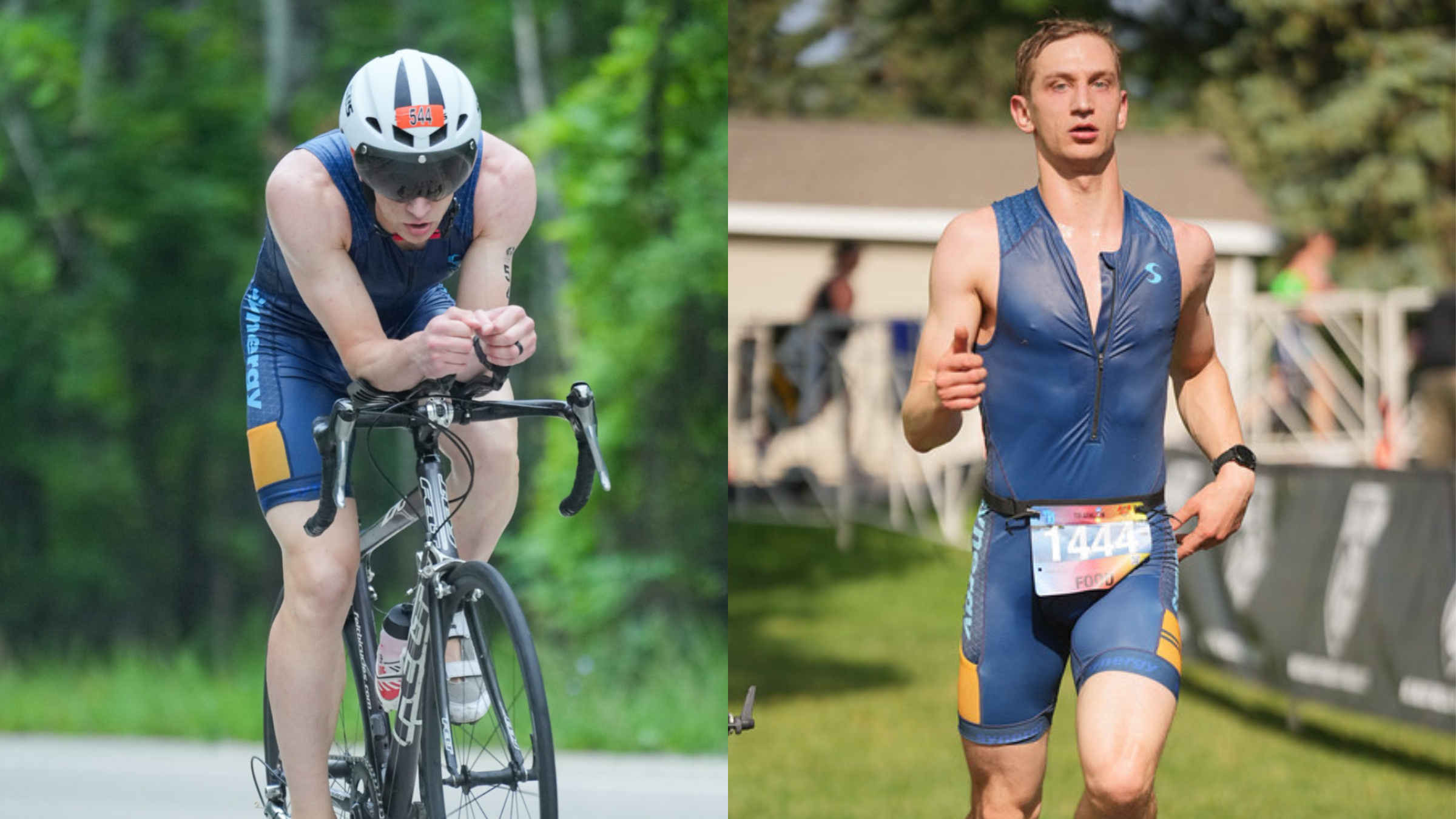
Triathlon, a sport that seamlessly combines swimming, cycling, and running, has captured the hearts of countless athletes, especially those in the age-group category. For many, including age-group triathlete Alex Wheaton, it often begins as a post-college endeavor—an avenue to stay fit and forge friendships. However, as commitment deepens, so can the challenges, often impacting personal relationships.
Like many newbies, Wheaton embarked on his triathlon journey with no lofty aspirations. His inaugural Olympic-distance event ended in last place within his age group, yet that first finish filled him with immense pride. The thrill of competition and the desire for self-improvement soon spiraled into an obsession, transforming triathlon from a healthy hobby into an overwhelming priority.
The Impact on Relationships
As Wheaton’s passion intensified, it began to alienate those closest to him. His commitment to early morning workouts and a strict diet led to arguments with his girlfriend, and he found himself making excuses to skip social events to prioritize his training regimen. Family gatherings turned into opportunities for conflict, as he struggled to balance his newfound obsession with his personal life.
These dynamics reached a boiling point during the fall and winter of 2019, a period during which he qualified for the USAT Age Group National Championship. Despite what should have been a time of celebration, strain began showing in his personal relationships as loved ones grew weary of his singular focus on training.
A Wake-Up Call: Reevaluating Priorities
Wheaton’s wake-up call came when he realized he had hit a training plateau. Deep into his second year, he was baffled by his stagnant performance despite meticulous planning and dedication. Instead of enjoying holiday festivities, he found himself poring over training data while his peers enjoyed their time off. This realization prompted a critical self-assessment: his approach to triathlon mirrored that of a second job, robbing him of joy and connection with loved ones.
Determined to shift his mindset, Wheaton decided to implement several key changes to his training philosophy:
- Limit workouts to six hours per week.
- Prioritize family time over training.
- Adjust his workouts to accommodate friends and family.
- Make his training fit his life rather than the other way around.
Restoring Relationships through Action
With these changes in mind, Wheaton took tangible steps to reconnect with his loved ones. This included assuming a more active role at home—cooking meals, cleaning, and minimizing the disruptions caused by early morning training sessions. He made it a priority to engage meaningfully during family gatherings, often enjoying food and drink, thereby mending rifts caused by his earlier fixation on training.
Over time, this commitment to balance began to yield positive results. Wheaton cultivated a lifestyle where family took precedence, but he also carved out hours for training in a manner that didn’t infringe upon his personal relationships. Now capable of getting about eight hours of training in weekly, he found himself not only performing better but also receiving support from those around him.
Finding Balance: Navigating Life and Triathlon
Wheaton’s journey reflects a vital lesson: triathlon should augment life rather than dominate it. By prioritizing relationships, he discovered that the support of friends and family enhanced his performance rather than detracted from it. This newfound equilibrium reenergized his passion for the sport, showing him that achieving peak performance doesn’t have to come at the expense of personal connections.
For others grappling with similar challenges, Wheaton’s story serves as a beacon of hope. It emphasizes the importance of finding a balance, where both triathlon and personal lives can flourish side by side. As they say, it’s crucial not to “choose between your bike and your wife.”
Conclusion: A Balanced Athlete’s Perspective
As Wheaton continues his triathlon journey, he embodies the understanding that personal relationships drive happiness and fulfillment outside of racing. Striking a balance between competitive aspirations and cherished connections is not only achievable but vital for long-term success—both in and out of the sport.
If you are an athlete at a crossroads, unsure of how to align your passion for triathlon with your personal life, take a page from Wheaton’s experience. Make conscious choices to celebrate your relationships, ensuring that triathlon remains a source of joy rather than a potential wedge. By doing so, you can create an environment that is supportive and enriched by the sport you love.
