


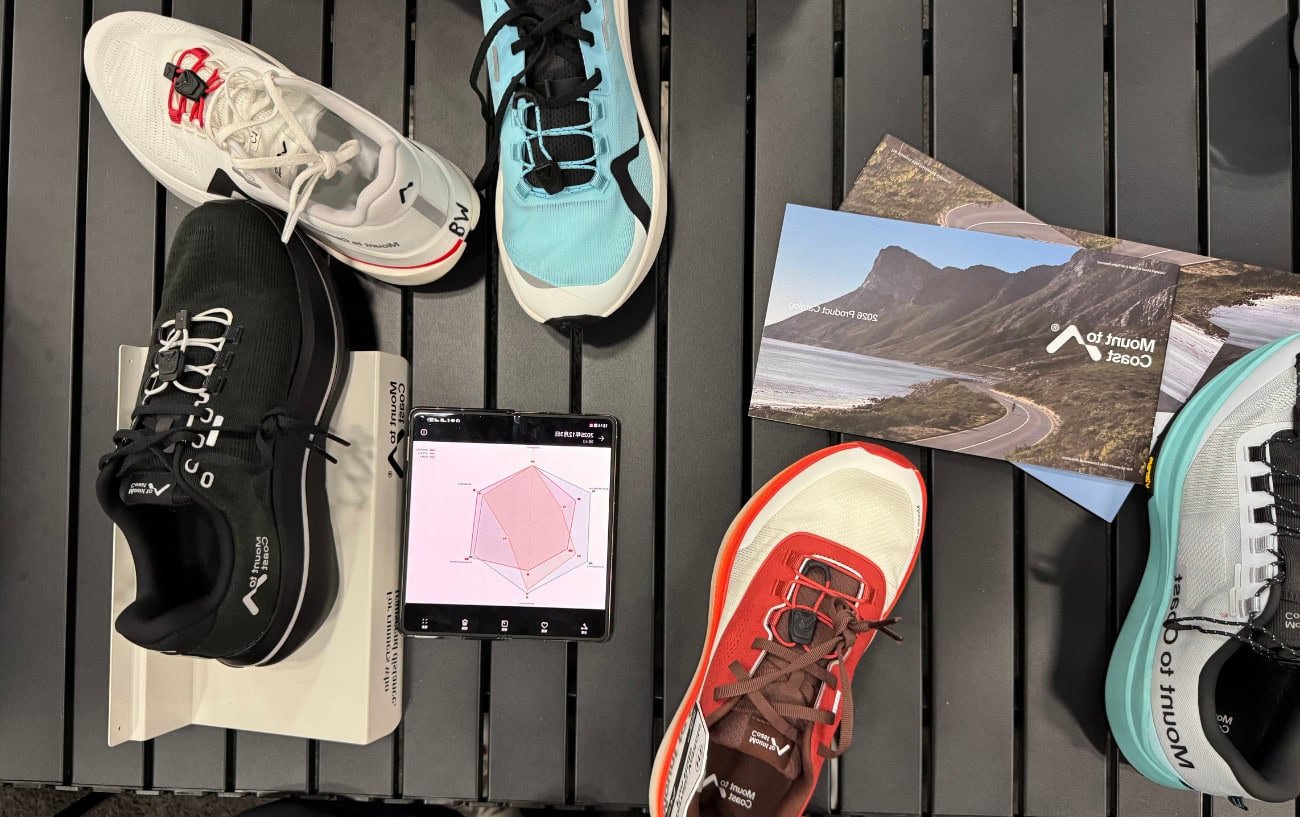
As we gathered to record our podcast at The Running Event this year in San Antonio, we found ourselves in a unique mental state—overloaded, yet energized. Unlike typical consumer expos or mere gear previews, this event felt more like an industry-wide confession booth. Here, shoe designers spoke candidly after back-to-back meetings, brand leads expressed anxieties about market trends, and startups fought for visibility. It became clear that if you want to forecast the running landscape for 2026, this event is a goldmine of insights.
After immersing ourselves in two exhaustive days of meetings and candid conversations hidden behind the phrase “off the record,” we identified recurring trends that have the potential to shape the future of running. Some were evident, some uncomfortable, yet many were genuinely exciting. Below, we delve into the key trends we anticipate for the running world as we advance toward 2026.
Trend #1: The Rise of Gravel Shoes
The gravel running shoe segment has emerged as a notable category, not just a passing trend. Brands like Salomon have taken the lead, introducing gravel-specific models that perfectly blend trail performance with urban adaptability. This category isn’t just about a new outsole pattern; it represents brands carving out new market terrains—literally and metaphorically.
The appeal of gravel shoes lies in their versatility. For runners navigating a mixture of terrains—be it winter grime, dirt paths, or uneven roads—a lightweight shoe boasting a moderate grip is beneficial. This growing demand indicates that the gravel category won’t simply be a rename of hybrid shoes; it’s becoming an essential offering.
Trend #2: Durability Gains New Importance
Another noticeable shift at TRE was the renewed focus on durability. Traditionally, running shoes have been characterized by ultra-soft foams that sacrifice longevity for performance. However, discussions centered around durability echoed throughout the event. Brands acknowledged they not only create shoes that feel great initially but also need to withstand longer periods of wear, especially given the constant rise in shoe prices.
Smaller brands like Rad even showcased shoes that managed to endure over 2,000 miles without drastic deterioration. This signals a shift towards slightly firmer and more resilient midsoles, allowing runners to benefit from a high-performance experience without frequent replacements.
Trend #3: The Intersection of Fashion and Performance
A transparent admission from a Salomon representative revealed that their largest consumer demographic is driven more by fashion than performance. The hard crossover of trail shoes into the lifestyle market is now evident — the designs appeal as much on social media as they do in the field. This intersection raises questions about the target audience of new shoes: are they designed for serious athletes or a broader consumer base? Expect to see more shoes straddling this fine line, where some excel, while others may feel like mere lifestyle impersonators.
Trend #4: Innovation from Smaller Brands
TRE often resembles a film festival, where the blockbusters grab initial attention but the most captivating discussions emerge among smaller brands exploring uncharted territory that industry giants cannot readily pursue. Brands like Swift Running are working towards developing accessible plated race shoes, while Avelo is integrating sensor technology directly into shoes for biomechanical tracking.
Even in the non-footwear realm, innovation abounds. Portable hydration testing kits and customizable nutrition mixes were focal points of many discussions. While some of these small brands may not withstand the test of time, they are paving the way for fresh ideas and innovations within the running community.
If there is a common sentiment from this year’s TRE, it is that the running industry is undergoing a transitional phase. The immediate gains are becoming elusive, with brands exploring novel avenues, reassessing traditional beliefs, and aiming to connect with a broader running community beyond elite competitors.
Some trends observed likely won’t stick, while others will take hold as we head into the latter half of the decade. As we approach 2026, the industry appears to be shifting its focus from sheer performance metrics to a more balanced narrative — emphasizing longevity, versatility, and individual identity. This evolution may ultimately contribute to a more sustainable and relatable running culture.
For more insights about running trends and gear, be sure to visit Marathon Handbook.
