


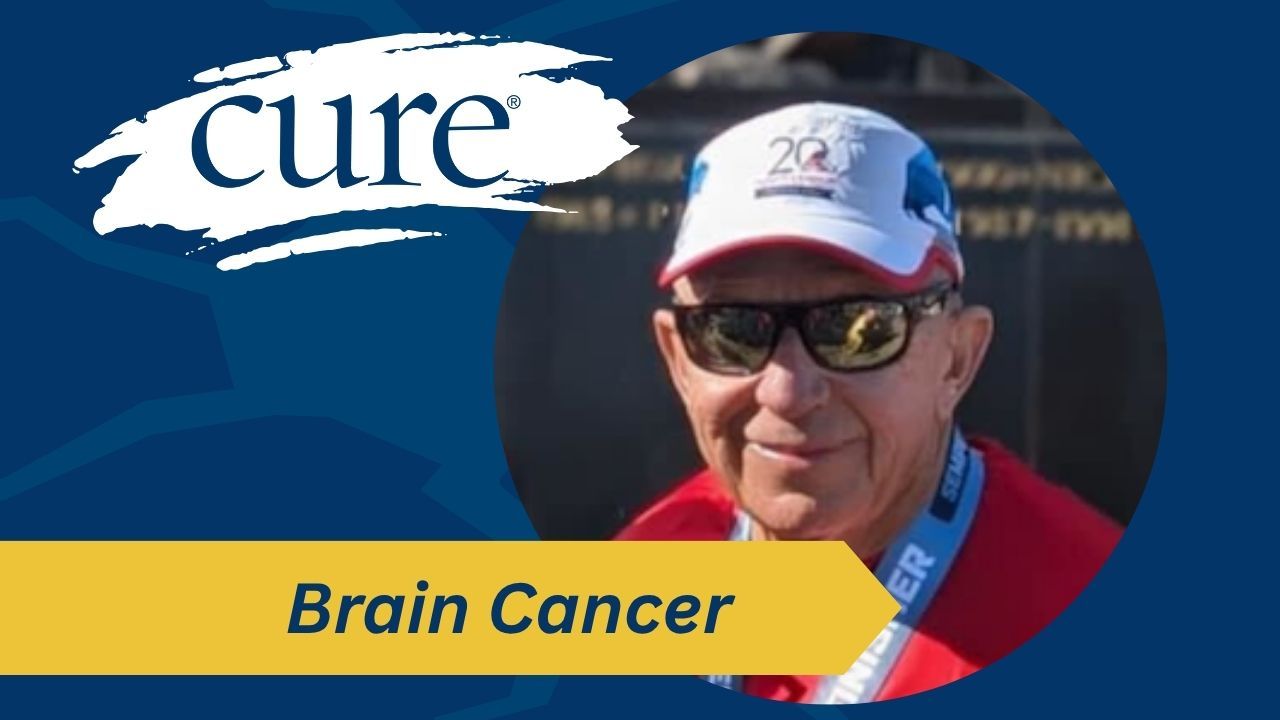
For athletes who thrive in the endurance realm, the narrative of U.S. Marine Corps veteran Hank Donigan underscores the profound interplay between physical resilience and mental fortitude. At 70 years old, Donigan is not just a marathon runner; he embodies the relentless spirit inherent in endurance sports. His experience navigating the challenges of a brain tumor and maintaining his active lifestyle offers a deep, reflective perspective on the intricacies of training adaptation and the mental frameworks that support sustained effort.
Donigan’s journey with endurance began as a method of managing post-traumatic stress disorder, a challenge many veterans face. Running became not just a form of physical exercise, but a pillar of strength serving as a mechanism to ground himself. It illustrates how endurance activities can catalyze healing and connection to oneself amid the chaos of life’s greater struggles. The dedication to logging thousands of miles mirrors the commitment required in any long-term training regimen, showcasing the crucial relationship between consistent practice and mental resilience.
In 2023, Donigan ran 50 marathons, a commitment that’s profound even outside the context of his concurrent health challenges. After surgery to remove a golf ball-sized tumor—a moment that many would see as a definitive halt to a competitive routine—his response was not merely to return to running, but to amplify his efforts. This choice reveals a mindset common among seasoned endurance athletes: the understanding that while physical setbacks exist, the opportunity for adaptation and evolution is always present. This is where pacing and long-term vision come into play. Knowing when to push and when to recover is part of the athlete’s puzzle, and Donigan’s experience reinforces this delicate balance.
The collaborative spirit between Donigan and his medical team is also noteworthy. Recognizing that they provided him the latitude to continue running illustrates a vital component of endurance training—communicative goals and support systems. A successful endurance journey often includes working with coaches or healthcare professionals who understand the athlete’s aspirations and provide encouragement within a framework of safety. This rapport creates an environment where athletes can push their limits while staying attuned to their bodies. Donigan’s situation exemplifies this alliance, where active engagement in one’s health can coexist with the drive to achieve challenging goals.
His approach to managing cancer treatment while continuing to race speaks to a deep-rooted understanding of the physical and psychological benefits of staying active. For experienced athletes, there’s usually an acute awareness of how daily practices can serve as both a training tool and a mental refuge. Running through radiation therapy was not a quest for accolades for Donigan; instead, it was a demonstration of how routine can anchor an athlete, provide structure, and maintain a sense of normalcy amidst upheaval. This resembles the training regimen of seasoned competitors who often find solace in their routines while facing personal or external challenges.
The organ of the body running through stress—the brain—was ironically the focal point of Donigan’s journey. His tumor was detected unexpectedly, serving as a stark reminder of the fragility and unpredictability of health. This reality resonates strongly within the endurance community, where athletes continuously engage with their bodies and periodically confront the limits of their own mortality. The ability to push through discomfort and challenge isn’t about being invulnerable; it’s about being adaptable and finding pathways through adversity.
Furthermore, Donigan’s experience highlights the importance of community engagement, particularly through his fundraising efforts for veterans through the Semper Fi & America’s Fund. This connection to a larger purpose not only motivates athletes to endure challenges, but it also weaves a tapestry of camaraderie and shared experience within the endurance sports community. Running serves as a canvas where the stories of individual struggles are painted with collective efforts. Whether it’s a race dedicated to a cause or a training session with fellow athletes, the relationships forged through endurance help to reinforce motivation and perseverance.
The details in Donigan’s story also prompt reflection on risk management intrinsic to endurance sports—a practice that transcends the physical and delves into the mental. Experienced athletes understand that pushing beyond perceived limits, often in pursuit of achieving personal bests, comes with inherent risks. Yet, there’s also wisdom in recognizing when to step back, listen to one’s body, and adjust goals accordingly, which Donigan exemplified throughout his journey.
His humorous reflection about losing hair during radiation treatment and the ensuing acceptance his partner had about it emphasizes an important life lesson for athletes: adaptability is key. Just as the seasons of training demand flexibility, so does life’s unpredictable path. Learning to navigate challenges with humor and grace can enrich the experience of endurance—both on the course and off.
What emerges from Donigan’s story is the embodiment of persistence in the face of adversity. Endurance athletes often grapple with their own physical and mental barriers, and here lies a fundamental takeaway: resilience isn’t merely about pushing through; it’s about recognizing the capacity for growth in unfamiliar terrains. Each long session, every marathon, and every challenge faced is less about the finish line and more about the journey you take to get there. Each experience builds on the last, informing how you will move forward.
In those moments out on the road or trail, the acknowledgment of discomfort can be a powerful tool. Rather than viewing it as an enemy, seasoned athletes can embrace it as a teacher that advises pacing, reminds them of their capabilities, and often leads to profound insights about commitment and community. Carrying this awareness into the next long session can transform each stride into a shared dialogue of resilience, not just with oneself but with the larger world of endurance athletes who understand the journey intimately.
