


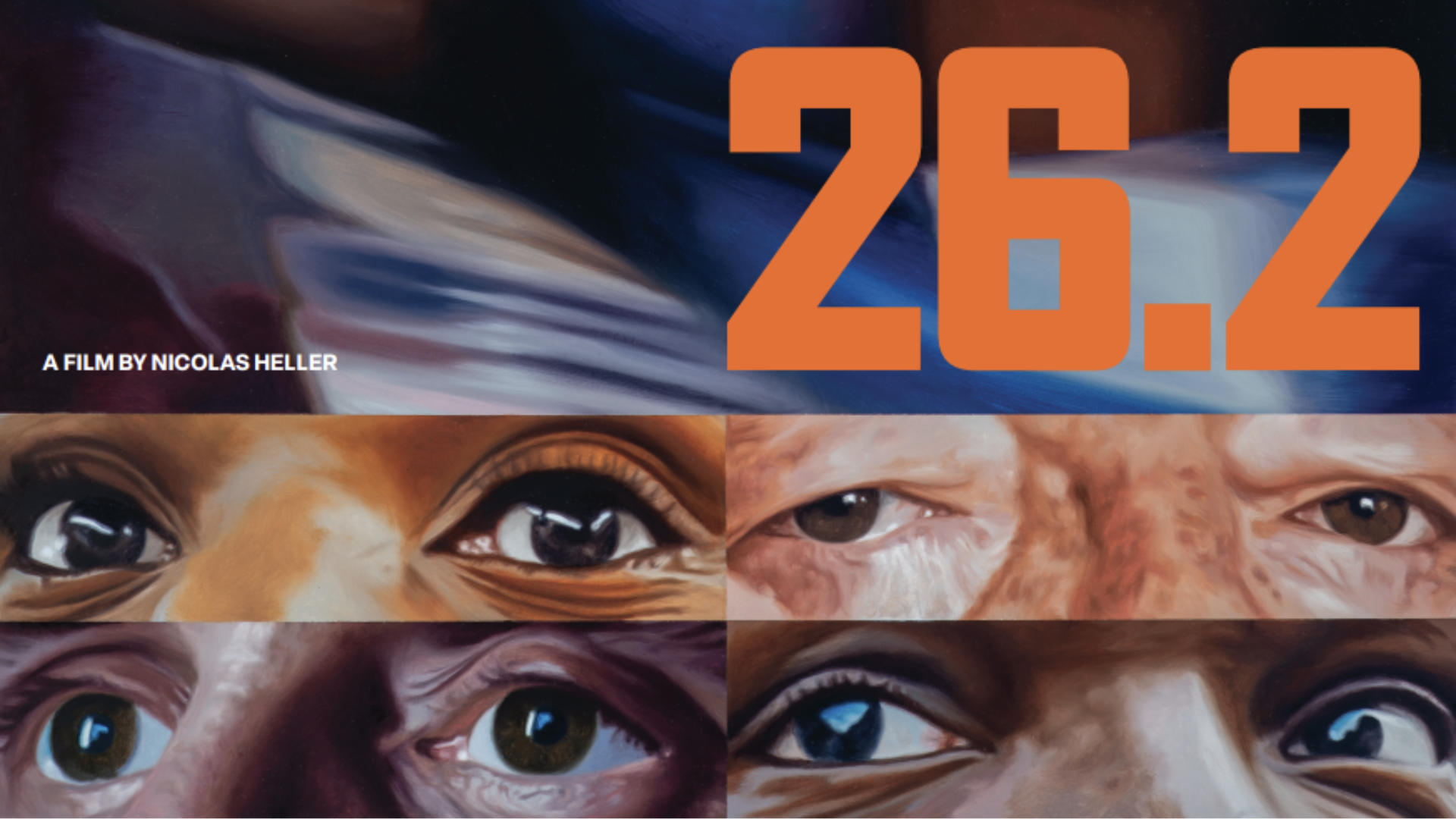
In the heart of New York City, where streets pulse with the rhythm of life, a documentary titled “26.2” emerges from a collaboration between m ss ng p eces and NYRR’s East 89th St Productions, directed by Nicolas Heller, known as NewYorkNico. This film presents an intimate glimpse into the lives of four endurance athletes as they prepare for the 2024 TCS New York City Marathon, unraveling the layered motivations and experiences that fuel their journeys.
For experienced endurance athletes, the essence of the marathon goes beyond mere physical achievement; it’s a profound interplay of mental resilience, community connection, and personal growth. Each of the featured runners — Joel ‘Whammy’ Kaufman, Johnny Pye, LaDawn Jefferson, and Shaquille ‘Shaq’ Roberts — epitomizes this multidimensional understanding of endurance. Their narratives are woven with the subtle threads of preparation and power that underline every training session, each mile logged through rain and sun, fatigue and elation.
Kaufman, a high school math teacher, embodies a disciplined approach to marathon training. His strategy is deeply rooted in gradual adaptation. Having walked multiple marathons, his pacing reflects an understanding that endurance demands not just physical stamina but also the ability to embrace discomfort over time. His motivation is poignant: a dear friend’s battle with leukemia ignited his commitment to run, showcasing how personal connections often drive us further than we anticipated in our individual pursuits. This doesn’t just motivate him to finish; it fosters a connection with his fellow runners and the larger community, galvanizing his resolve come race day.
Then there’s Johnny Pye, whose journey as a stroke survivor speaks volumes about post-injury resilience and the mental fortitude required to return to the running scene. His evolution as a runner illustrates that every stride is an act of defiance against his past limitations. It’s not simply about crossing the finish line; it’s about the intricate dance of belief and perseverance that takes place throughout training. His commitment to bring awareness and representation to stroke survivors is not just noble but reflects the responsibility an athlete often feels—to honor one’s journey while inspiring others.
LaDawn Jefferson, a breast cancer survivor, navigates the dualities of being both a fighter and a nurturer. As a full-time mother and a NYPD administrative aide, her life encapsulates the balancing act that many endurance athletes face. Her training mirrors a well-calibrated pacing strategy, combining physical challenges with the emotional landscapes intrinsic to recovery. This balance fosters an innate understanding of one’s limits, shaping her approach to both training schedules and race day strategy. Jefferson’s presence on the course is not only a testament to her resilience but an embodiment of the collective strength found within the community, where shared experiences amplify personal victories.
Lastly, Shaquille ‘Shaq’ Roberts offers a compelling narrative that bridges endurance with transformation. As an immigrant from St. Kitts and a founder of a running club, Roberts’ story adds another layer to the community spirit that the marathon thrives upon. His experiences of surviving adversity, particularly the devastating house fire that left him with significant injuries, have cultivated an understanding of endurance that intertwines physical and emotional healing. His advocacy for the Bronx Burners Run Club speaks to a commitment rooted in unity and empowerment, illustrating how endurance can become a vehicle for communal strength and resilience.
What unites these stories is not solely their backgrounds or individual challenges but their approach to training and racing. Each athlete’s journey elucidates a core tenet within the endurance community: the marathon is as much a mental exercise as it is physical. The tangible miles are merely reflections of the internal battles endured during personal training sessions, where pacing must be honed as much for the body as for the mind. Each run becomes a meditation, a moment to recalibrate and reconnect with deeper motivations.
As seasoned athletes know, the road to success in endurance sports is often marked by plateaus and setbacks, where adaptation is key. The training cycles demand that we recognize not just our limits but also our potential for growth. In navigating periods of struggle, whether through mental fatigue, physical injury, or adapting to life’s unexpected challenges, we confront our deepest beliefs about capability and persistence. Each of these featured athletes illustrates that resilience can manifest in various forms, whether it’s through consistent training, community building, or personal triumph over adversity.
These narratives serve as a microcosm of the greater marathon landscape, where one learns that the finish line is not the end but a point of reflection. As you lace up your running shoes for the next long session, remember that every mile logged contributes to the larger narrative of your endurance journey. It’s about cultivating the mental space to appreciate progress, acknowledging that the time spent training is a powerful testament to resilience. And perhaps the honest takeaway is that each run is an opportunity—not just to push through but to understand oneself more deeply, embrace the discomfort, and find joy in each stride.
