


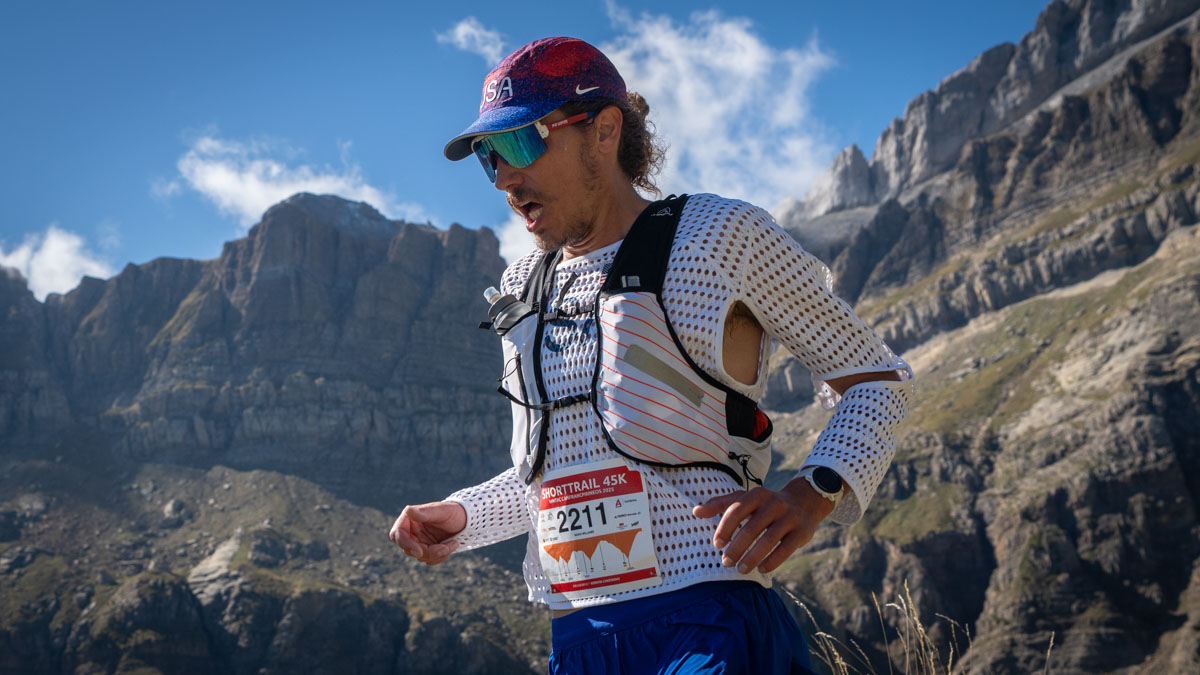
The Michelino Sunseri Case: A Clash of Sportsmanship and National Regulations
On November 7, 2025, ultrarunner Michelino Sunseri received a presidential pardon from President Donald Trump, overturning a conviction related to his attempt to set a fastest known time (FKT) on the Grand Teton in Wyoming. This decision came just over two months after Sunseri had been found guilty of cutting a switchback in Grand Teton National Park, an incident that sparked national controversy and raised questions about environmental ethics and outdoor regulations.
The Incident: Shortcutting for Speed
The saga began on September 2, 2024, when Sunseri made the decision to deviate from the established trail to pursue a new FKT. Opting for the so-called “old climbers’ trail,” which had signs indicating it was closed, he took what many saw as a shortcut. Following his successful run and the subsequent posting of his track on Strava, Sunseri admitted to his decision, stating, “I would 100% make the exact same choice” if given the chance again. This flare of honesty ignited immediate backlash from the community and the National Park Service (NPS), which swiftly issued a citation under 36 CFR 2.1(b), prohibiting shortcutting on federal trails. The implications of this citation were severe: it represented a Class B misdemeanor, carrying penalties of up to six months in jail and a $5,000 fine.
The Legal Battle and Public Reaction
What followed was a highly publicized legal battle that captivated outdoor enthusiasts and legal experts alike. Sunseri’s case raised significant questions about prosecutorial overreach, making it a focal point for discussions surrounding environmental ethics and the potential consequences of overcriminalization. Sunseri’s defense team, led by attorney Edward Bushnell from Jackson and Harvard Law graduate Alex Rienzie, argued that the legal response to his actions was disproportionate and indicative of larger systemic issues in regulating outdoor sports.
Their concerns were compounded by a May 9 Executive Order from the White House aimed at minimizing unnecessary criminal penalties for regulatory infractions. A pivotal moment occurred on May 19, just before the trial commenced, when Frank Lands, NPS operations deputy director based in Washington, D.C., attempted to halt the proceedings. Lands sent an email to park officials and legal teams stating, “We believe that the previously offered punishment, a five-year ban and fine, is an overcriminalization based on the gravity of the offense. Therefore, we withdraw our support.” Despite this attempt at intervention, the trial continued its course.
Proceedings and Verdict
After two days of testimony, during which several prominent trail runners testified to having taken the same shortcut, U.S. Magistrate Judge Stephanie Hambrick took over three months to deliberate before ultimately convicting Sunseri on September 2, 2025. The verdict underscored the intricate balance between law enforcement and more nuanced human actions in the ever-evolving landscape of outdoor sports.
The Aftermath: A Pardon and a Proclamation
Sunseri’s case, now a symbol of rising tensions between environmental regulations and outdoor enthusiasts, entered the national spotlight after President Trump’s unprecedented pardon. The decision received mixed reactions but highlighted ongoing debates concerning the treatment of athletes and their need for a space to challenge the limits of their sports without fear of severe legal repercussions.
The Broader Implications
This case is particularly significant as it broadens the conversation about regulations affecting not only ultrarunners but all outdoor sports and activities. The question remains: to what extent should federal regulations govern the actions of individuals in natural spaces? Proponents of Sunseri laud his determination and willingness to challenge the status quo, while critics argue for the necessity of strict adherence to established rules for the protection of the environment.
Future Considerations
As discussions continue in the outdoor community and legal circles, it will be interesting to see how this case influences future regulations regarding trail use and the consequences for athletes who push these boundaries. The intersection of sportsmanship and legal responsibility has never been more clearly defined, and Sunseri’s case serves as a critical touchstone in understanding these complex dynamics.
Conclusion
In the evolving narrative surrounding outdoor sports, Michelino Sunseri’s case serves as a crucial reminder of the responsibilities that come alongside the thrill of adventure. The story raises essential questions about law, ethics, and the spirit of competition. As it continues to resonate within both legal and athletic communities, it will undoubtedly encourage future discussions surrounding the balance between preserving our natural landscapes and allowing for the human pursuit of speed, endurance, and achievement.
